Spied: 1000Nm JAC Hunter PHEV reveals its true weight in Melbourne testing
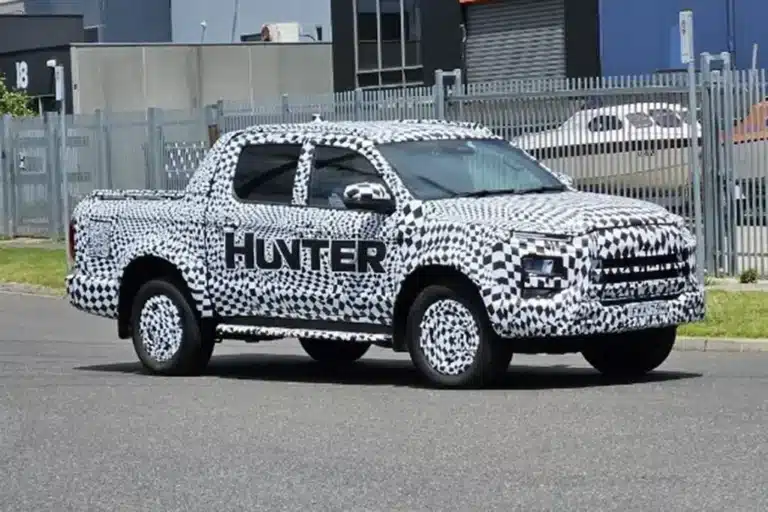
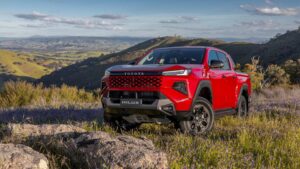
The 1000Nm JAC Hunter PHEV has been spied testing in Melbourne. Local registration checks reveal a 2512kg kerb weight and 3470kg GVM. Image: Carsales.com.au
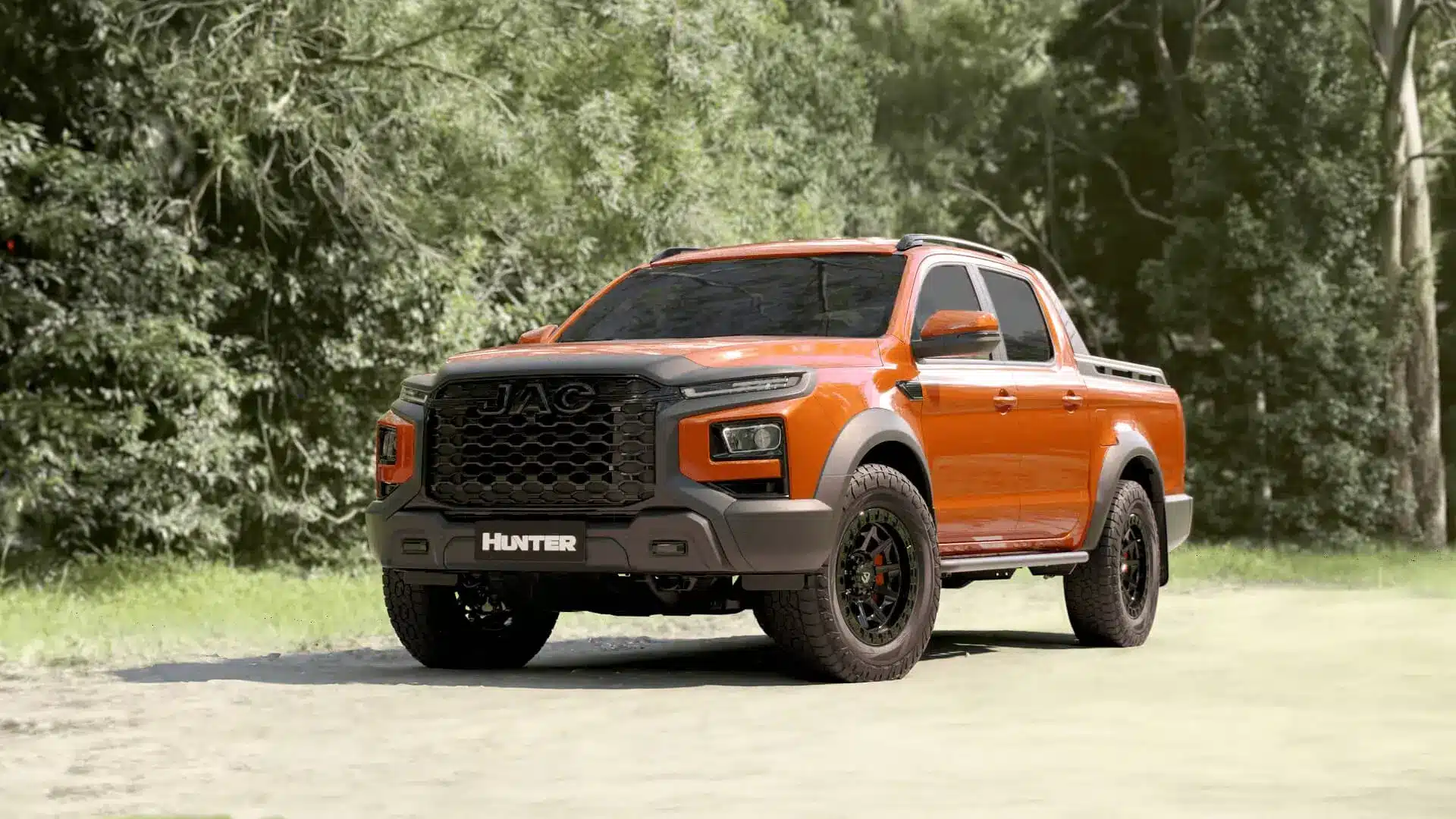
The ‘Australian Edition’ of the JAC Hunter PHEV looks set to shake up the local hybrid ute market. Image: JAC Motors
The upcoming debut of the JAC Hunter PHEV moved a step closer this week after the 1000Nm hybrid brute was spied undergoing final localisation testing in Melbourne’s south-east. Specifically, this plug-in dual-cab is aiming to out-muscle heavyweights like the Ford Ranger PHEV and BYD Shark 6 when it eventually hits local showrooms in early 2026.
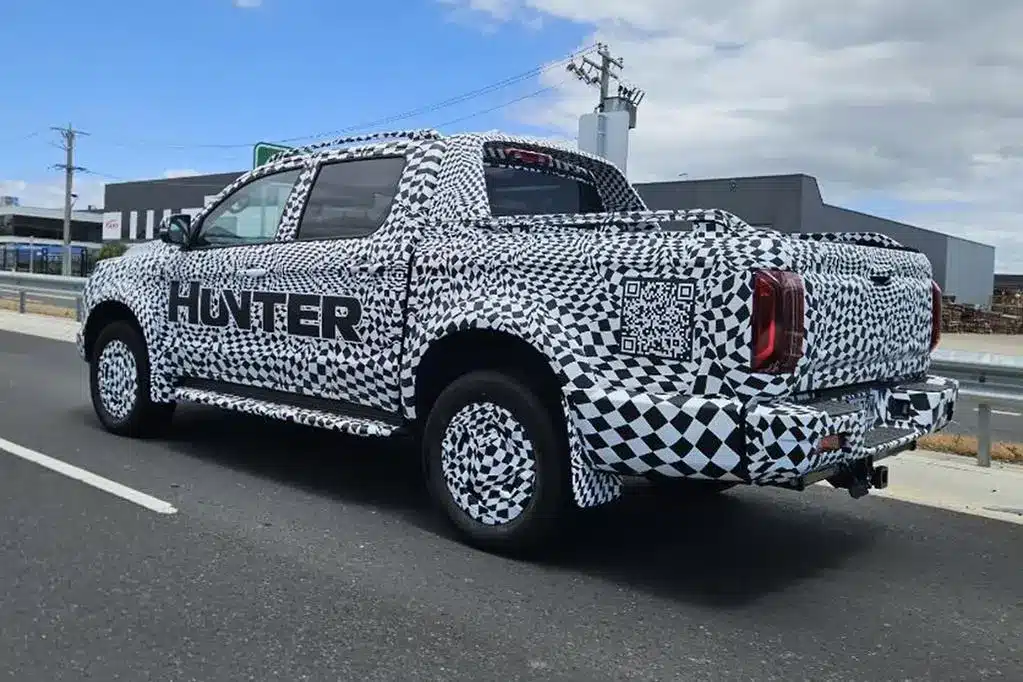
While the industry has recently fixated on the Blue Oval’s hybrid plans, JAC has quietly been prepping a giant-killer. Spied wearing a “Hunter” camo wrap complete with an “Expression of Interest” QR code, the test mule signals that final local calibration is well underway. Furthermore, a JAC spokesman confirmed that a localisation program is currently using Australian expertise to ensure the ute’s suspension, cooling, and safety systems won’t “wilt” in our harsh outback conditions.
Spied: This JAC Hunter mule was spotted in Melbourne, proving local validation is in full swing. Image: Carsales.com.au
JAC Hunter PHEV outputs that dwarf the competition
The raw numbers behind this powertrain are hard to ignore. The system delivers a combined 385kW of power and a massive 1000Nm of torque from a dual-motor electric system paired with a 2.0L turbo-petrol generator. To put that 1000Nm into perspective, it eclipses the now-discontinued supercharged V8 RAM TRX (882Nm) and offers 100Nm more than the $410,000 Mercedes-AMG GT 63S E Performance.
JAC achieves this giant-slaying performance via a “dedicated hybrid transmission.” Consequently, this system manages power from electric motors on both the front and rear axles (130kW peak front, 150kW peak rear) to ensure maximum traction off-road.
The weight penalty: 2.5 tonnes and counting
For 4X4 enthusiasts planning a build, the most telling data comes from a check of the spied mule’s registration. The JAC Hunter PHEV tips the scales at 2512kg, making it roughly 400kg heavier than its diesel T9 stablemate. To maintain utility, JAC has bumped the Gross Vehicle Mass (GVM) to 3470kg.
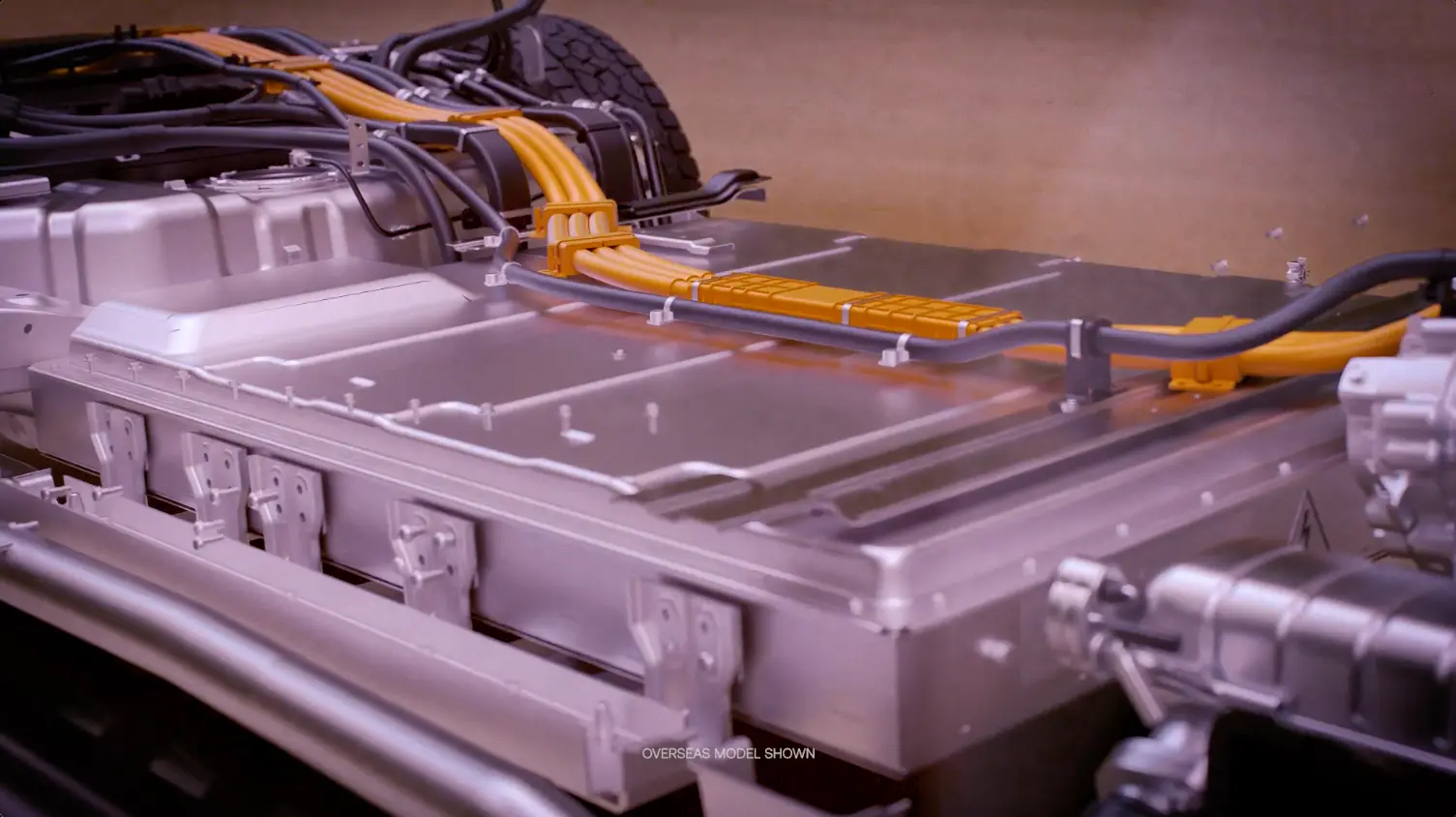
The 31.2kWh LFP battery pack provides the juice for a 100km EV range, but adds significant weight to the kerb figure. Image: JAC Motors
While JAC is chasing a 3,500kg braked towing capacity and a payload of nearly one tonne (958kg based on registration data), the “harsh truth” of a 2.5-tonne starting weight remains. Specifically, you’ll have very little headroom for accessories like steel bull bars, winches, and canopy builds before you start knocking on the door of that GVM ceiling.
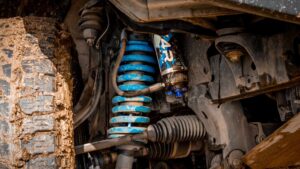
Unlike some rivals, the Hunter maintains a multi-link rigid axle rear suspension to aid off-road capability. Image: CarNewsChina.com
JAC Hunter PHEV interior and RHD compromises
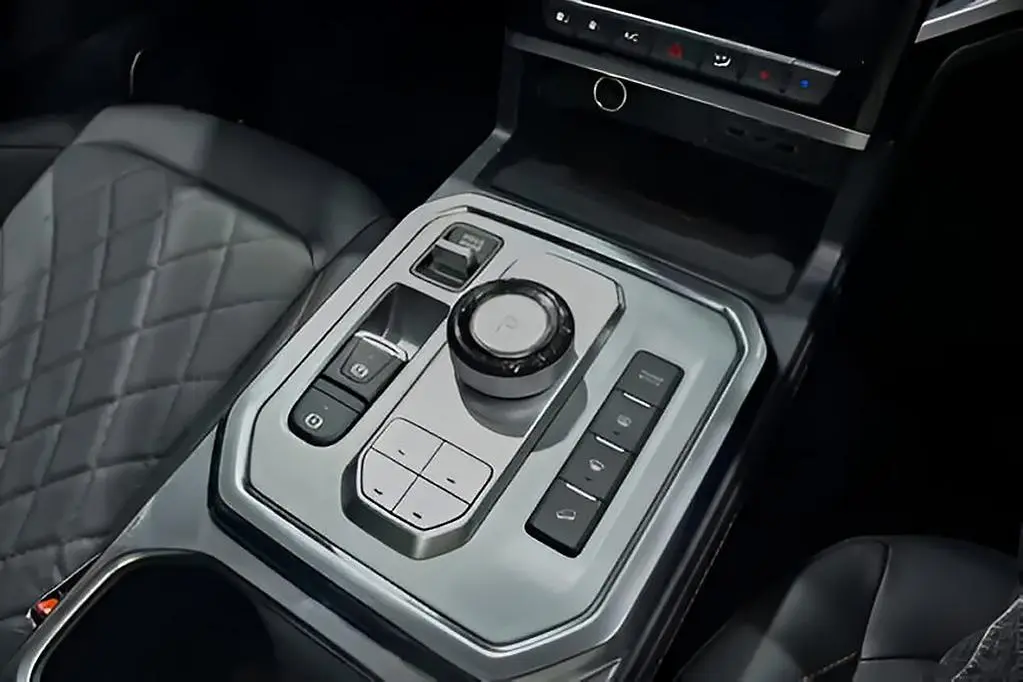
Inside, the cabin mimics the existing T9 diesel but adds a rotary gear selector, an electronic handbrake, and diamond-quilted leather seats. However, tech-wise, it’s a bit of a mixed bag. While you get a massive 10.4-inch portrait touchscreen, the digital instrument cluster appears to have shrunk from the 10.25-inch unit seen in overseas markets to a smaller 7-inch display for local cars.
Inside the RHD cabin: The large tablet screen remains, but the driver cluster has been downsized for our market. Image: CarNewsChina.com
In addition, the inclusion of Vehicle-to-Load (V2L) capability is perfect for powering a campsite fridge or tools without a complex dual-battery setup. This will undoubtedly be a massive tick for Aussie tourers.
The traditional gear lever is gone, replaced by a rotary dial and electronic park brake with Auto-Hold. Image: CarNewsChina.com
JAC Hunter PHEV vs. The rivals
Model
Combined Power/Torque
EV Range
Braked Towing
JAC Hunter PHEV
385kW / 1000Nm
100km (est.)
3,500kg (targeted)
BYD Shark 6
321kW / 650Nm
100km
2,500kg
Ford Ranger PHEV
207kW / 697Nm
49km
3,500kg
GWM Cannon Alpha PHEV
300kW / 750Nm
110km
3,500kg
Data accurate as of January 2026
Out thoughts on the JAC Hunter PHEV
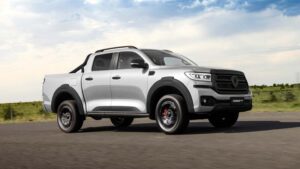
We are left feeling skeptical but curious. JAC clearly has a point to prove, and the T9 diesel platform already holds a five-star ANCAP rating, providing some necessary bone fides. With the BYD Shark 6 starting at a disruptive $57,900, there is every chance JAC will attempt to reset the price benchmark even lower. If they can deliver 1000Nm and true 3.5-tonne towing for a competitive price, the established brands will certainly have a serious fight on their hands.
We expect the Hunter PHEV to arrive in local showrooms by the end of March 2026, so stay tuned.
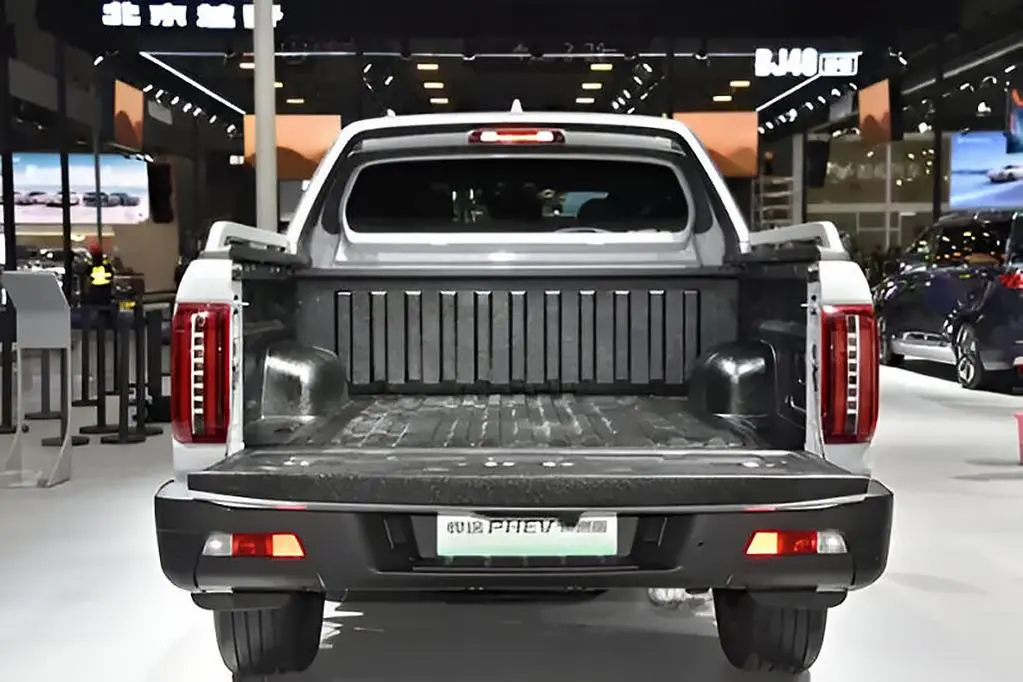
The cargo tub features a spray-on bed liner and should fit a full-size Aussie pallet. Image: CarNewsChina.com
Unsealed 4X4 delivers honest 4WD advice, gear reviews, and travel guides crafted from real Australian adventures. Since 2014, we've tested the gear, driven the tracks, and learned what works - so you can hit the tracks safely.