Not all solar panels are created equal – and shade is the real problem
Not all solar panels handle shade the same. Here’s how shading affects output and what new testing reveals for off-grid setups.
Published on: 6 April 2026

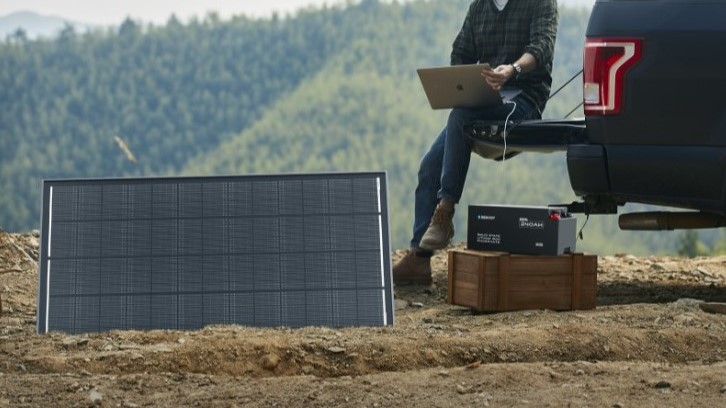
If you’ve spent any time camping with a 12V setup, you already know the dream. Park up somewhere nice and let the solar do its thing.
The reality? A bit of shade from a tree or an overcast day… and suddenly your battery isn’t charging like you need it to. We often spend hours agonising over why our solar isn’t working as well as we thought it would, but what most people don’t realise is that it’s not just bad luck. It’s just how solar panels actually work.
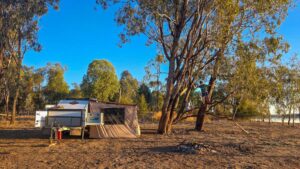
On paper, solar is simple. The panels collect sunlight, charge your batteries, done. But in the real world, especially on a 4WD or camper, conditions are far from perfect. You’ve got overcast days, roof racks casting shadows, trees at camp and low sun angles in the morning and arvo.
This is where standard solar panels struggle. Most are wired in series (a bit like a string of Christmas lights), which means one shaded section can drag down the performance of the entire panel, cutting your output by 50-80%.
So that one small shadow? Yeah, it can basically kill your charging for the day.
This is where the “not all panels are created equal” conversation comes in. I used to be firmly in the “they all come out of the same factory in China” mindset, but a few camping trips where my fridge didn’t even last the weekend proved me wrong.
Traditional panels rely on something called bypass diodes, which work by helping to route current around the shaded cell. This helps, but it doesn’t fix the core issue because the system is still only as strong as its weakest link.
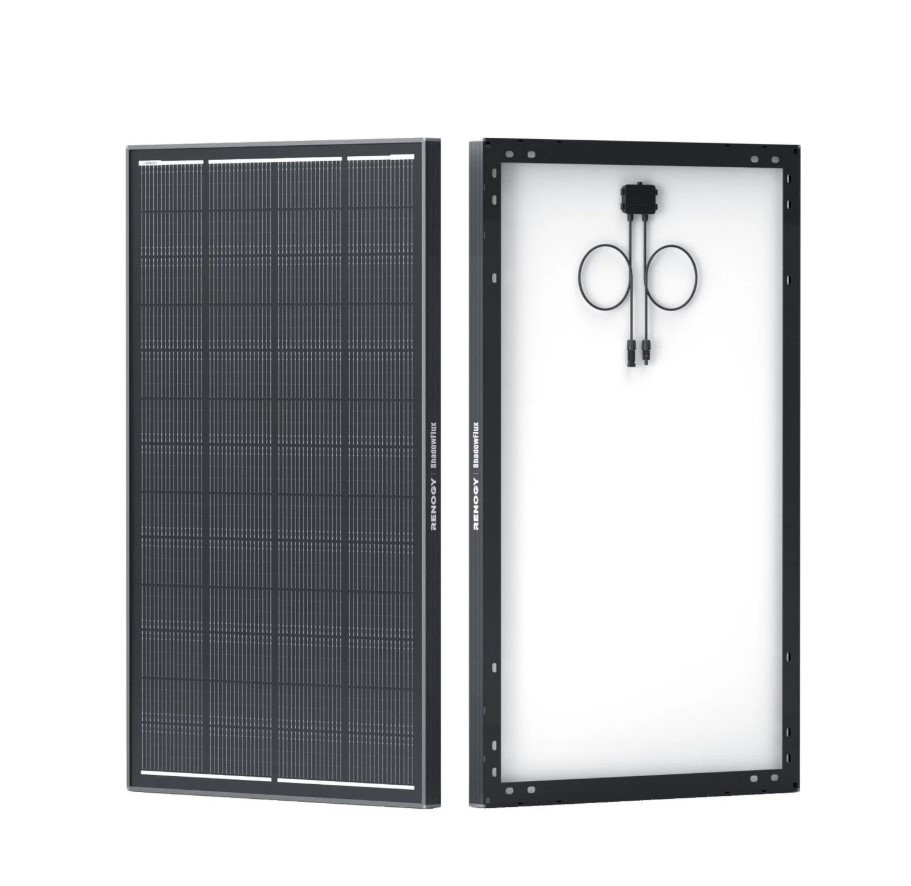
Newer designs, like Renogy’s ShadowFlux panels, take a different approach by managing shade on your solar panel at a cell level instead of a panel level. It does this by dividing the panel into many independent zones, and each zone monitors its own output. So when a bunch of cells find themselves in shade, the system isolates the area and the remaining zone continues at full power.
This also prevents damage to your solar panel. In a standard panel, that shaded cell nicks some power from nearby cells and, in doing so, gets hotter than usual in that spot. This hot spot, over time, can damage the panel. ShadowFlux technology prevents hot spots from occurring in the first place because the shaded zones are electrically separated, with no current forced through the area.
To back this up, Renogy recently completed a series of 48+ extreme reliability tests on its ShadowFlux panels. It doesn’t look like ”lab fluff” either, as you can see by the video below:

The testing simulated real-world use across conditions that matter to travellers in Australia:
According to Renogy, power loss stayed at under 5% with no structural issues.
I mean its nice to know that they can handle extreme heat and a 45kg sand bag wacked against it, but I’m unlikely to put my solar panels through that kind of abuse. If there’s one thing this testing highlights, it’s that shade is still the most annoying problem when it comes to solar.
This is because we want to park in the shade, we nearly all have rooftop gear casting shadows, and we all have to deal with changing light conditions and overcast days.
In Renogy’s own testing data, these ShadowFlux panels delivered up to 30% more output in shaded conditions compared to conventional panels. And although I haven’t got my hands on a set of these panels yet to try them out (stay tuned) – the results certainly look promising.
Solar technology has come a long way, but it’s still not all created equal. And if your setup is heading off-grid (whether that’s a weekend away or a full lap of Australia), solar panels are one of those things where reliability matters more than anything.