80 Series LandCruiser buying guide: engines, prices and common problems
Buying an 80 Series LandCruiser? Compare engines, prices and common problems, plus what to check before handing over your cash.
Published on: 2 October 2026

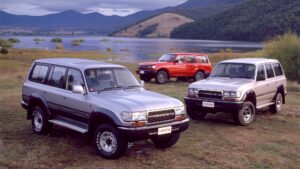
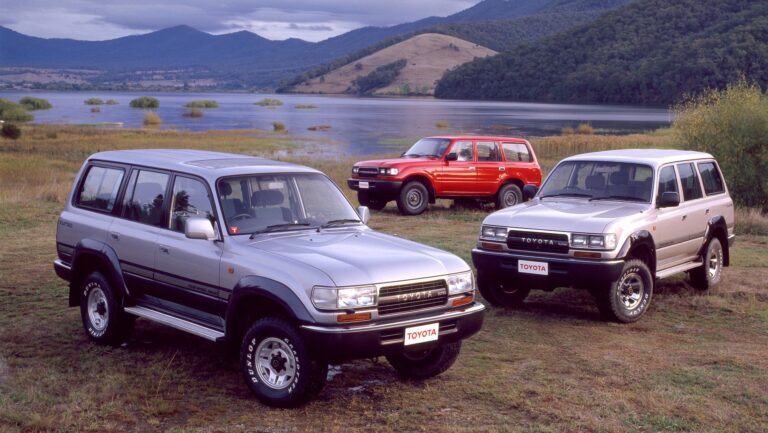
The 80 Series LandCruiser has earned its place among Australia’s favourite touring 4WDs. With coil springs, solid axles front and rear and a roomy wagon body, it still has plenty to offer anyone chasing an old-school fourbie for camping, touring and getting off the bitumen.
But buying one today takes more than spotting a Toyota badge and assuming she’ll be right. These vehicles are decades old, and a tidy-looking rig can hide expensive mechanical problems, rust or years of questionable modifications. Choosing the right engine matters, but finding a well-maintained vehicle matters just as much.
This 80 Series LandCruiser buying guide covers the engine options, which versions suit different buyers, current Australian asking prices and the common problems to check before handing over your cash. Whether you’re eyeing off a petrol GXL or a factory turbo-diesel, here’s how to look beyond the legend and judge the vehicle in front of you.
Getting your budget sorted early will help narrow the search and leave room for servicing and repairs. If you’re considering finance, Savvy can help you compare used car loan options, including through lenders that don’t impose a vehicle-age limit (which is pretty useful when shopping for an 80 Series). Approval and loan terms will depend on your circumstances and the lender’s criteria.
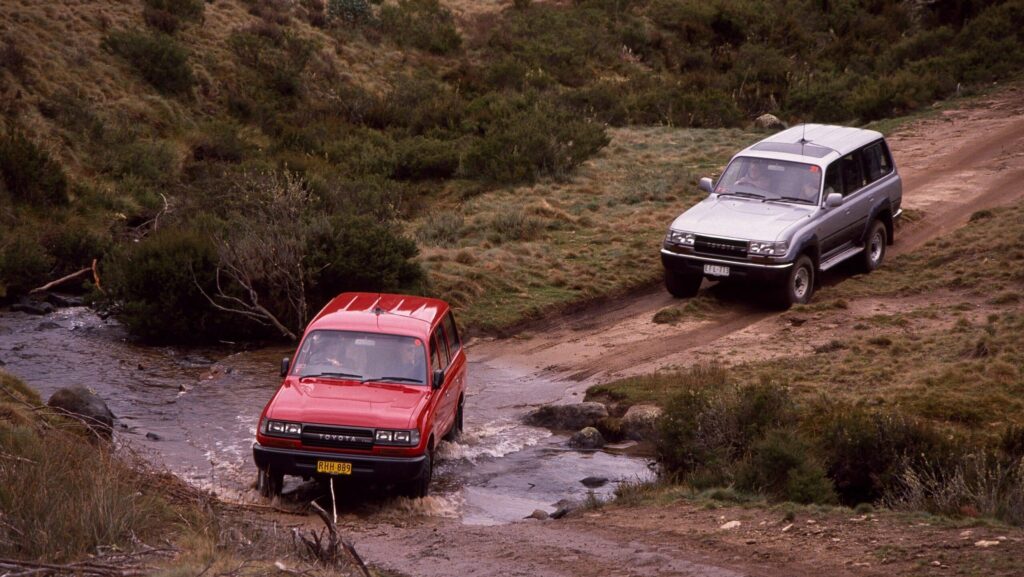
The main engine options you’ll encounter in Australian-delivered 80 Series wagons are listed below. All are inline six-cylinder engines. Early petrol models included both the carburetted 3F and fuel-injected 3F-E, so don’t assume every 4.0-litre petrol has EFI.
| Engine | Capacity and fuel | Factory configuration | Buyer appeal | What to consider |
|---|---|---|---|---|
| 3F | 4.0-litre petrol | Naturally aspirated; carburettor; 12 valves | An option for buyers comfortable with older petrol technology | Check carburettor operation, ignition and cooling-system condition; assess performance on a proper test drive |
| 3F-E | 4.0-litre petrol | Naturally aspirated; electronic fuel injection; 12 valves | Early petrol option with EFI | Check cold starting, idle quality, ignition and cooling-system condition |
| 1FZ-FE | 4.5-litre petrol | Naturally aspirated; electronic fuel injection; 24 valves | A strong candidate for buyers wanting petrol performance | Budget for fuel; inspect cooling-system condition, leaks and the workmanship of any LPG conversion |
| 1HZ | 4.2-litre diesel | Naturally aspirated; indirect injection; 12 valves | Suits buyers happy with unhurried performance and a mechanically injected diesel | Test it with your intended use in mind; any turbo is an aftermarket addition and warrants closer investigation |
| 1HD-T | 4.2-litre diesel | Factory turbo; direct injection; 12 valves | Factory turbo-diesel option for buyers wanting more performance than a standard 1HZ | Investigate big-end bearing history, cooling-system condition and any tuning or engine work |
| 1HD-FT | 4.2-litre diesel | Factory turbo; direct injection; 24 valves | A later turbo-diesel option worth considering for touring | Check maintenance records and engine condition carefully; the badge alone doesn’t justify the asking price |
Check what’s actually fitted. Engine swaps and aftermarket turbo kits are common enough that the advertisement and original model badge may not tell the whole story. Verify the engine code and supporting paperwork. A turbocharged 1HZ is not the same engine as a factory 1HD-T or 1HD-FT.
For a buyer wanting a factory turbo-diesel for touring, we’d put a well-maintained 1HD-FT high on the shortlist. For someone seeking petrol performance without committing to a turbo-diesel asking price, the 1FZ-FE deserves a proper look. The 1HZ suits buyers who value a naturally aspirated diesel and are happy to take their time.
There’s no engine code that makes a neglected 80 Series a good buy. Choose according to your budget, intended use and the condition of the actual vehicle.
The 4.2-litre 1HD-FT combines factory turbocharging with a 24-valve cylinder head and direct injection. It makes sense as a touring shortlist choice if you want diesel power without starting with an aftermarket turbo conversion.
However, don’t empty the repair fund just to get those letters on the engine plate. A vehicle with patchy servicing, cooling problems or undocumented engine work deserves scrutiny regardless of how desirable the engine might be.
The 4.5-litre 1FZ-FE is worth considering if you want a petrol 80 Series for highway driving, camping trips and general use. Compare its purchase price with equivalent diesel vehicles, then work out how fuel costs fit your annual kilometres.
A lower asking price leaves more room for maintenance, but only if you’re buying a sound vehicle. Inspect the cooling system and investigate any overheating history. If it runs LPG, check how the conversion operates on both fuels and ask for installation and servicing records.
The naturally aspirated 1HZ makes sense if you’re comfortable with modest performance. Before buying, drive one on hills and at highway speeds rather than deciding from its reputation alone. Your expectations may change once you add camping gear or a trailer.
If a turbo has been fitted, ask who installed it, what supporting work was done and whether there are records of the tune. Assess the conversion as part of the purchase rather than treating it as a free upgrade.
A well-maintained 1HD-T is still worth considering, but its big-end bearing history needs particular attention. Ask for invoices and get advice from a mechanic familiar with these engines if the history is unclear.
Early 3F and 3F-E petrol vehicles can also be worth inspecting. Judge them on condition, price and whether their performance meets your needs. Whatever you choose, leave money for repairs.
A LandCruiser badge doesn’t cancel out decades of wear. Before buying an 80 Series, combine your own checks with an independent inspection by a mechanic who knows the model. These are the areas we’d put on the inspection list.
Inspect the chassis and body for corrosion, damage and previous repairs. Structural rust needs professional assessment, while fresh paint or underbody coating warrants questions about what was repaired and why.
Pay particular attention to the chassis around the steering-box mounting area. Cracks or signs of welding need proper investigation. Don’t assume a reinforcing plate means any underlying damage was repaired correctly.
Ask about overheating and request receipts for cooling-system and engine work. Inspect for coolant leaks and deteriorated hoses, and make sure the vehicle gets a proper test drive. If there are concerns, have the mechanic investigate them before agreeing on a price.
For a 1HD-T, ask specifically about big-end bearing inspections or replacement and look for invoices. An undocumented claim that they’ve been done is no substitute for a record. Where the history is unclear, discuss the appropriate checks and potential costs with a LandCruiser specialist.
Look for fluid around the power-steering reservoir, hoses, pump and steering box. A leak needs diagnosis rather than an assumption about which component is responsible.
Have steering play, wheel bearings, suspension bushes and the front axle checked. During the test drive, note wandering, clunks or vibrations and get their cause identified.
Check that the brakes operate properly and have the handbrake tested. A weak handbrake deserves repair; don’t accept it as something you simply have to live with because it’s an old Cruiser.
For a closer look at steering-box chassis cracks, handbrake issues, bearings, power-steering leaks and rear axle studs, read our Toyota LandCruiser 80 Series common problems and solutions guide.
The aim isn’t to find an old 4WD with absolutely nothing wrong with it. It’s to understand what needs fixing, what it will cost and whether the seller’s asking price still makes sense.
Price snapshot checked 2 October 2026.
There isn’t one useful price for an 80 Series LandCruiser. Engine type, kilometres, condition, service history and modifications all affect the asking price, and sellers can have very different ideas about what their pride and joy is worth.
To give buyers some current context, these examples appeared in Carsales search results when checked:
| Advertised vehicle | Listed kilometres | Asking price |
|---|---|---|
| 1994 GXL manual, 4.5-litre petrol | 345,073km | $6,500 |
| 1995 RV manual, 4.5-litre petrol | 432,000km | $15,000 |
| 1995 GXL automatic, 4.5-litre petrol | 230,000km | $28,000 |
| 1991 manual, 4.2-litre diesel, HZJ80R | 580,736km | $20,500 |
| 1996 Standard manual, 4.2-litre diesel, HZJ80R | 347,000km | $39,000 |
| 1992 GXL automatic, 4.2-litre turbo-diesel, HDJ80R | 524,968km | $30,000 |
| 1991 GXL manual, 4.2-litre turbo-diesel, HDJ80R | 220,000km | $57,999 |
A cheap petrol listing and an expensive turbo-diesel listing tell you very little about which is the better buy until you’ve checked their condition and history.
When comparing 80 Series LandCruisers for sale, start with similar engines, transmissions and trim levels. Then look at rust, cooling-system maintenance, major repair receipts and the quality of any modifications. An odometer figure needs to be supported by the vehicle’s history; it shouldn’t be your only buying criterion.
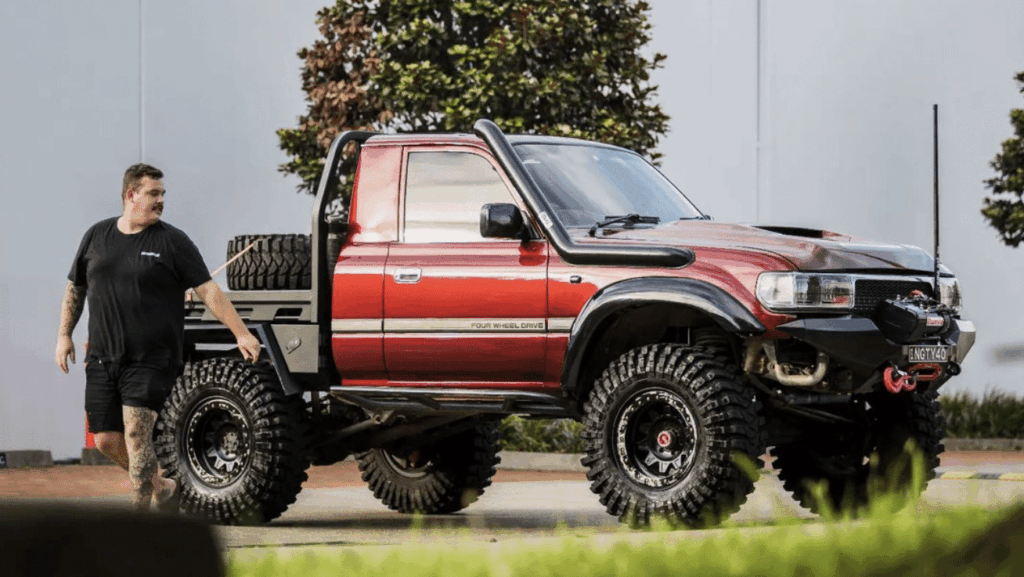
Be particularly careful about paying extra for accessories. A lift, big tyres and a bar full of lights don’t tell you whether the engine is healthy or the chassis is sound.
Finally, keep money aside for the jobs that can follow a purchase such as servicing, tyres, brakes, cooling-system work and whatever the inspection uncovers. Basically, if the asking price leaves you unable to fix the vehicle, it isn’t within your budget.
Browse current 4.5-litre petrol FZJ80R listings, HZJ80R diesel listings and HDJ80R turbo-diesel listings to compare the latest advertised examples.
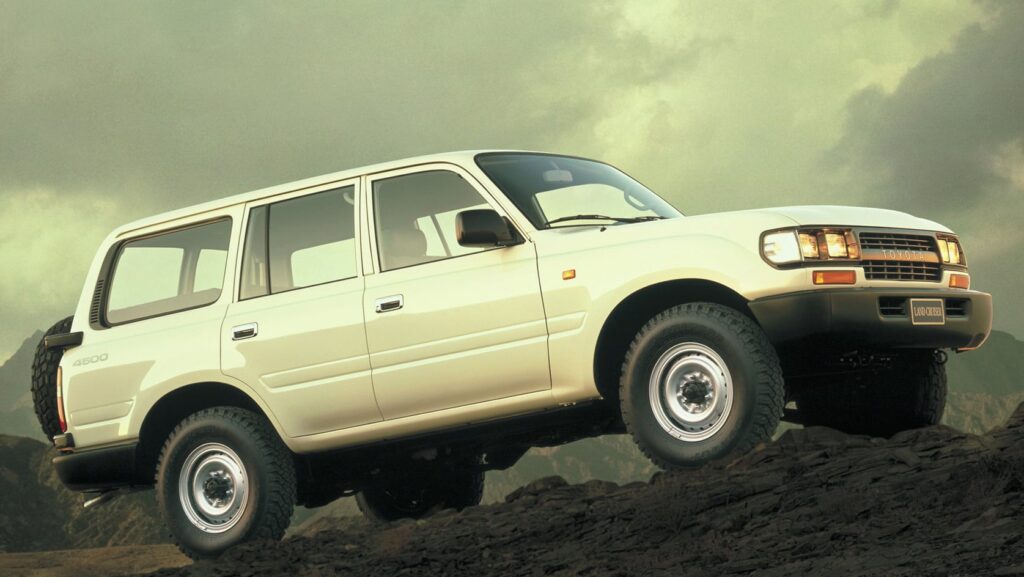
A well-maintained 80 Series LandCruiser can still make a great touring and camping rig. But buying one today means judging the vehicle in front of you, rather than letting its reputation do the talking.
Prioritise condition, service history and documented repairs over a desirable engine badge or a long accessories list. Take your time, compare a few vehicles and get an independent inspection from someone who knows these Cruisers. Keep enough money aside to tackle the work it needs before heading away.
There’s still plenty of adventure left in an old 80, you just need to find the right one at a price that leaves room for maintenance.