Is modern 4WD technology cheating or are old-school drivers just salty?
Traction control, terrain modes and cameras make tough tracks easier. Is modern 4WD technology cheating, or just another tool worth using?
Published on: 22 October 2026

Modern 4WD technology has come a long way over the last few decades. Once upon a time, a diesel fuel pump or gear-driven transfer case was about as complicated as things got. Now we’ve got sensors, solenoids, microprocessors and enough electronic gadgetry to make you wonder whether you’re driving a 4WD or launching a space shuttle.
Some of these technical advancements are universally accepted as good things. Reverse cameras, central locking, head units that make you feel like you’re front row at Hootie and the Blowfish.
Then there’s the other stuff. “Driver aids” that, without irony, do their level best to wrest the steering wheel from your hands and plague your ear-holes with insanely annoying chimes to let you know there’s a tree stump off to the side of the road a few hundred metres ahead. Let’s not forget the totally-not-creepy cameras that watch you yawn then condescendingly remind you to take a break despite the fact you’re 45 seconds from pulling into your driveway.
However, we’re all about living as much of our lives off-road as possible, and many of the aforementioned advancements do not really fall under that particular purview. Still, there are plenty that do. And, broadly speaking, most of us tend to fall into the love them or hate them camps. Which begets the questions: Has modern technology ruined 4WDing? Is it cheating?
Let’s talk about it.
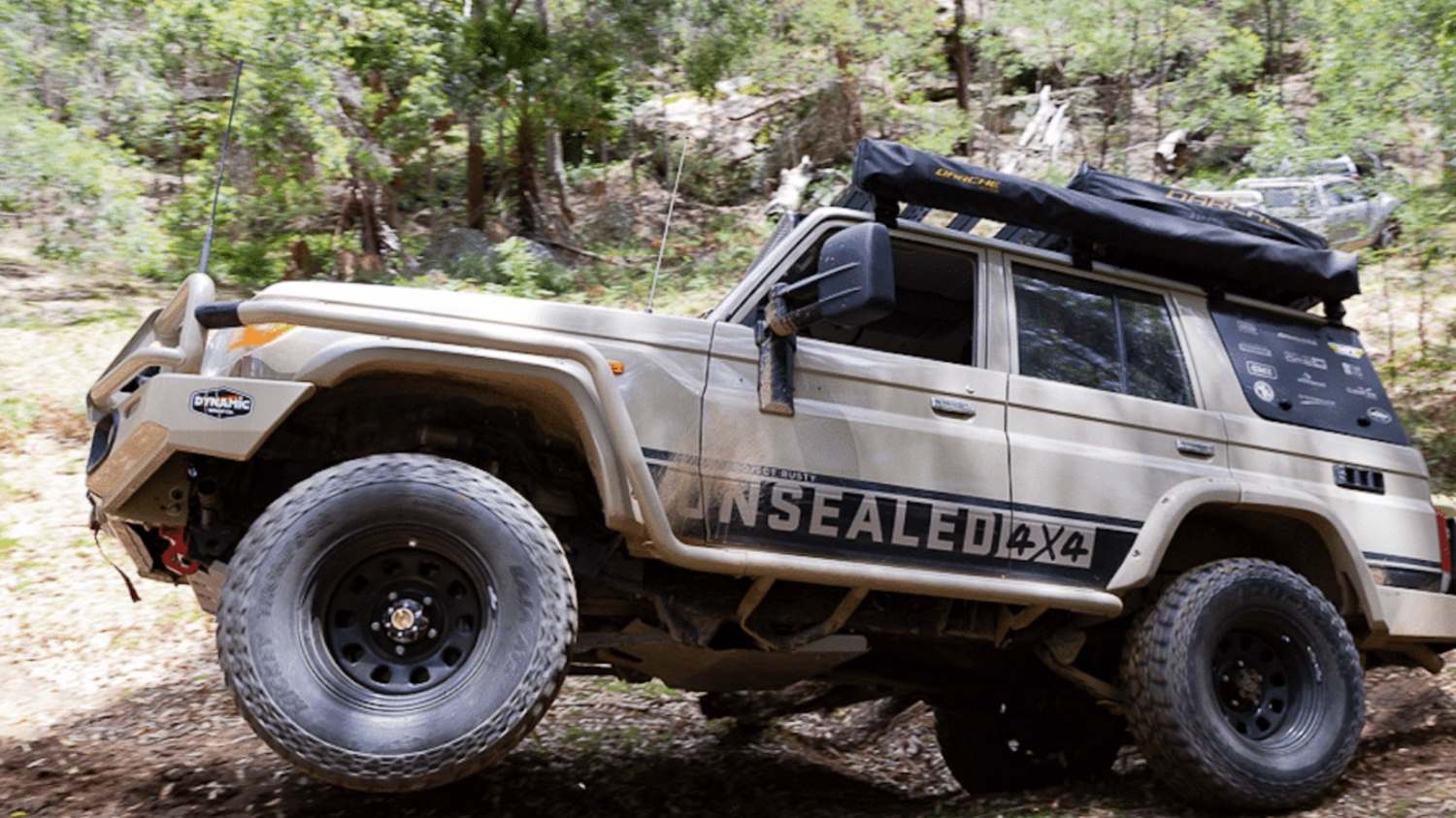
It’s an oft-repeated truism that the greatest computer ever conceived is the human brain. We can decipher, decode and react to potential dangers quickly and decisively. The entire skill of driving has been successfully built on such reflexes. And when compared with electronic systems, there’s an abundance of anecdotal evidence that proves that the computer-coded brain-replacements are fault-ridden and pervasive.
Ask anyone who’s had the autonomous emergency brakes kick in when there’s literally nothing in front of the vehicle. It’s WTF-inducing to say the least.
But, and it’s a big one, these electronic systems are only getting better. There will come a convergence point in the not too distant future where we will all have to accept that some, if not all, of these tools can and will outdo human reaction times. Sorry, but the future is here. And it’s setting up a tent in the front yard.
The big one. Modern traction control done right is a thing of beauty. Gone are the clunky, jerky stabs of the brake pedal. Newer systems are smooth and are the next best thing to having twin diff lockers. Our recent trip to the Kimberley with a bunch of Isuzu D-Max’s drove this home with a sledgehammer and ice-pick.
Rough Terrain mode (Isuzu’s name for their off-road traction control) is super-silky, intuitive and makes the vehicle orders of magnitude more capable than a similarly set-up rig without it.
Still, there are two big points to make here: The first is that in an off-road environment, twin diff-lockers is still the big dog in the yard and holds onto its traction crown tightly. The second is that not all traction-controls are created equally. Many are still a generation or two behind the leaders, which are Isuzu, Ford and Toyota.
But, another big-un, none of them suck these days, which means the day is conceivably coming where twin lockers will have to abdicate the throne. For many of us, that’s hard to get our heads around. But it’s true.
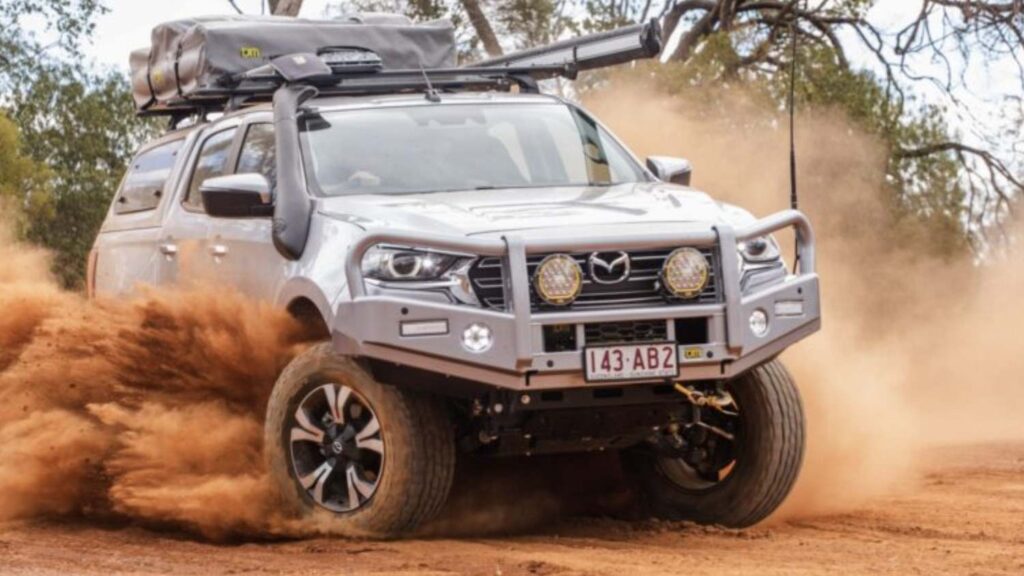
These are off-shoots of traction control, where the torque applied to each of the four wheels will be specific to the terrain you’re driving. Sand mode will apply the power in such a manner to keep momentum up and to prevent digging. Rock mode will allow super slow-speed crawling while incrementally adding braking or torque to maximise traction over a high-grip surface, and so on.
Many manufacturers have tried this, and most are still yet to really nail it. Land Rover and Ford are the two closest, and to be fair both their terrain modes do a terrific job.
However, many folks prefer the simplicity of shifting into low range, hitting the locker buttons and knowing that the traction is there to apply judiciously as a driver, rather than scrolling a menu on an interface and hoping the mode you’ve selected is close enough to the terrain you’re driving that’s somewhere in between any number of the available options.
Of course, terrain modes can be done away with if your traction control is good enough for all terrains. Like we said, Isuzu’s Rough Terrain which, unlike Toyota’s, works in conjunction with the D-Max’s rear locker (Toyota’s TC gets turned off when the locker is engaged), is two buttons on the dash and you’re ready to tackle anything. That’s less work than the low-range-and-lockers of yesteryear with 99.5% of the efficacy. Which is pretty insane.
Back in the day, if you wanted to ensure a slow descent down a steep and slippery clay hill while being able to maintain steering and speed control then either lower gear ratios installed in the transfer case or the diffs were the go. These days the need for such things, at least in terms of low-and-slow downhills, has been done away with thanks to hill descent control, which goes by a variety of monikers but essentially all of them do the same thing.
Basically, the wheel speed sensors talk to the ECU which talk to the brakes, which are applied and released rapidly on each individual wheel if the rate of descent is deemed to be too fast. This results in an extremely slow, controlled and safe crawl downhill, which is exactly what you want. These systems are only getting better, with higher degrees of driver-input on the speed control as well. Wet and greasy descents are simply not the challenge they once were.
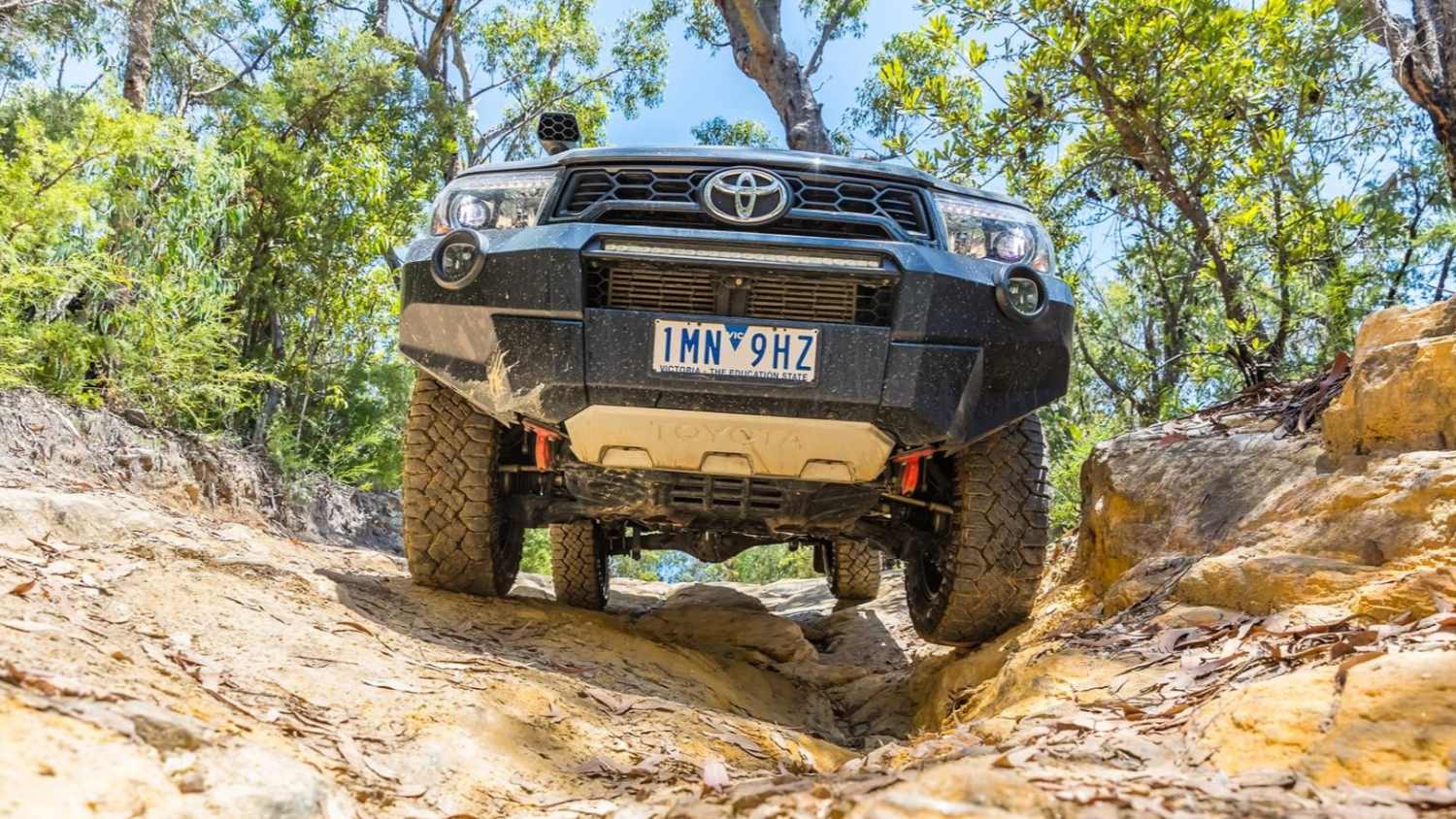
360º, forward, side and bird’s eye cameras are the new hotness, particularly among upper-spec models. Want to see where the passenger-side rear wheel is? With modern vision you can. Want to gamify your line-selection with a from-above view of your vehicle? Shamwow, it’s here.
Now, if you’ve learned on a completely analogue 4X4 and generally have wheel placement down and have a great shorthand with your spotter, then all this will be next to useless for you.
But, the third and final biggie, if you’re new to wheeling, do not have 100% faith in your vehicle or surroundings and don’t quite trust your mate who’s telling you to give it more jandal and saying confidence-inspirers like “she’ll probably be right” a lot then yeah, the more cameras the merrier.
Still, it’s important to note that all the cameras and Playstationery in the world will never replace a good spotter on the really tricky stuff. Nor does anything listed in this yarn replace seat time and having a high degree of familiarity with your rig. A good driver in a 4X4 with no tech marvels will still outperform a mediocre driver in one with all the buttons, modes and rain-sensing wipers.
By the way, massive shoutout to automatic transmissions. Deffo a piece of tech that started off a little shaky but has come through with the goods in recent years. Modern 6 and 8-speed boxes really are fantastic both on and off-road. There are numerous examples of new 4X4s with up to 10-speeds, but, at the time of writing at least, I’m yet to see a huge need to go higher than 8 cogs. Would love to revise that position soon though.
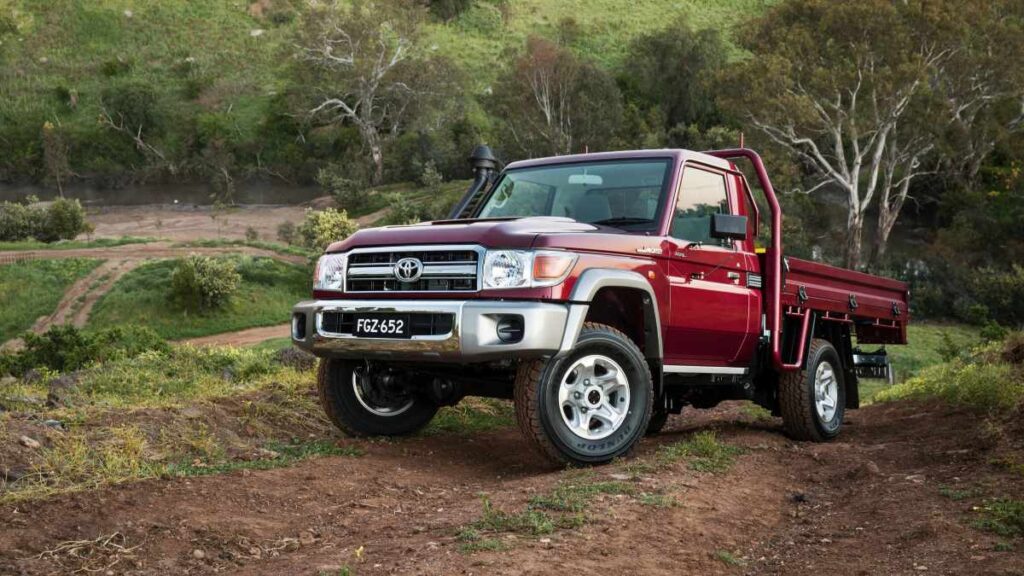
Also known as the spawn of Satan, Driver Assistance Systems can get in the sea as far as I’m concerned. Let me preface this by saying it’s only the opinion of the author, but yeah, I despise driver assistance shit.
Can’t keep your vehicle in the lane? Stop daydreaming and start driving. Need autonomous braking to prevent you from running up the bum of a bus full of schoolchildren? Turn in your licence, you tit. Need a little peeping Tom camera to watch you like some facial-recognition perv and let you know that that yawn you just let rip means you’re tired? Maybe your basic functionality as a human has been compromised and you need some psychiatric help.
The worst part? There’s a solid safety case for some of this tech, but that doesn’t mean every system gets the execution right. ANCAP rewards these features in its safety ratings, while the Australian Government sets the ADRs. My gripe is with systems that beep, nag or intervene so often that you spend more time swearing at them than trusting them. Fit the tech, sure. Just make it work properly.
And if you think Electronic Lane Keeping is doing you a solid by gently re-directing your steering wheel towards the side of the semi you’re overtaking and were trying to use your lane to give as much room as possible to, then you and I have very different ideas of what’s “safe.”
Anyway, let’s move on before I stroke out.
While not impossible, things like Rough Terrain mode paired with good tyres and a little extra clearance, makes getting stuck a hell of a lot more difficult. This is fantastic for both new-to-wheeling folks and solo travellers alike. Coupled with being able to see what’s ahead, behind and off to the sides is also great for line selection and even changing lines mid-track. The new-fangled tech really does allow the vehicle to do a lot of the thinking and fine-tuning of driving technique for you.
However, tech cannot replace proper training and technique, no matter how good it gets. If you don’t know how to drive without it, you can’t really appreciate how good it is to drive with it, nor use it to its potential. I’m sure it’s one of those putting the horse before Descartes things, but the point is that you need to have a base level of skill and knowledge before you get to brag to your mates about how your MU-X drives anything with ease.
I mean, you could, but the follow-up questions are going to slaughter you.
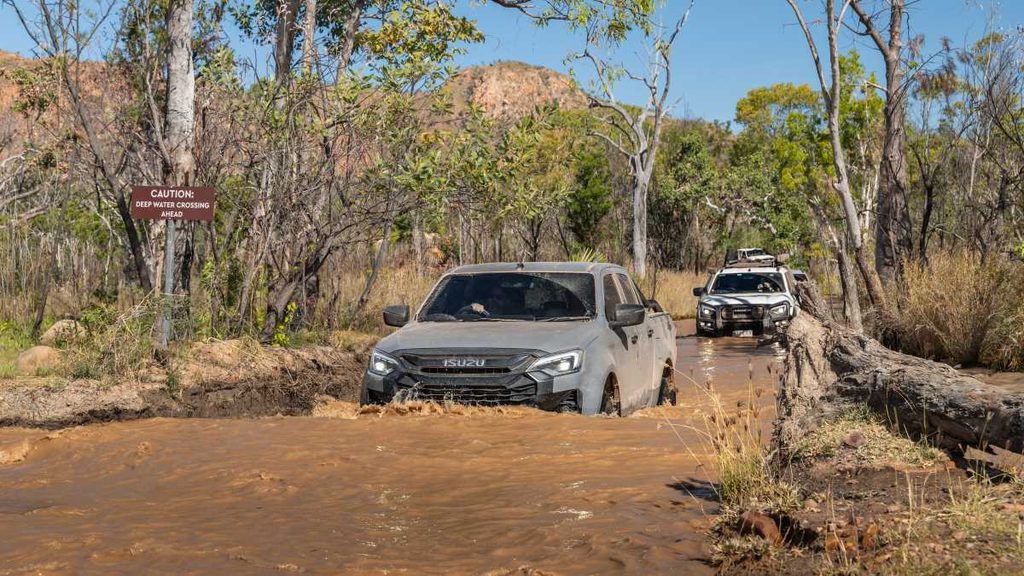
It’s a paradox. Modern systems (sit down, driver assistance, nobody is talking to you) make remote travel safer. It’s inarguable. But they also bring with them the danger of becoming overconfident and can leave you unprepared for dealing with the fallout if things go sideways.
If traction control gets you through a tricky section with less wheelspin, less track damage and fewer opportunities to break something expensive, that’s a win. You don’t earn extra points for making the day harder than it needs to be.
The catch is knowing what those buttons can actually do and where their abilities end. They can help you find traction, but they can’t tell you how deep that creek is, whether you’ve packed enough recovery gear or when it’s time to turn around.
Use the tech. Learn how it works. Just don’t mistake your vehicle’s capability for your own experience.