Is it time for the camper trailer comeback?
Camper trailers have taken a back seat to hybrids and off-road caravans. We explore why they should make a comeback.
Published on: 25 June 2026

There was a time when camper trailers dominated Australia’s campgrounds.
If you wandered through a national park or beachside campground 15 or 20 years ago, chances are you’d see more canvas than composite panels. Families unfolded campers beneath towering gum trees (I know – but we did it anyway) and life revolved around the campfire and the tracks.
Fast forward to today and the landscape has changed dramatically.
Hybrid campers and off-road caravans have become the stars of the RV world. Every new release seems to promise more luxury, more technology and more creature comforts than the last. Internal bathrooms, diesel hot-water systems, lithium batteries capable of powering air conditioners, and kitchens that wouldn’t look out of place in a modern apartment have become almost expected.
I’m not denying that they’re impressive and comfortable, but somewhere along the way, the humble camper trailer quietly got forgotten. Which begs the question: Have we overlooked one of the most practical ways to go camping?
Editor’s note: This article isn’t about saying camper trailers are better than hybrids or off-road caravans. Every RV category has its place. It’s simply a reminder that camper trailers still offer exceptional value and practicality – and perhaps deserve to be part of the conversation again.
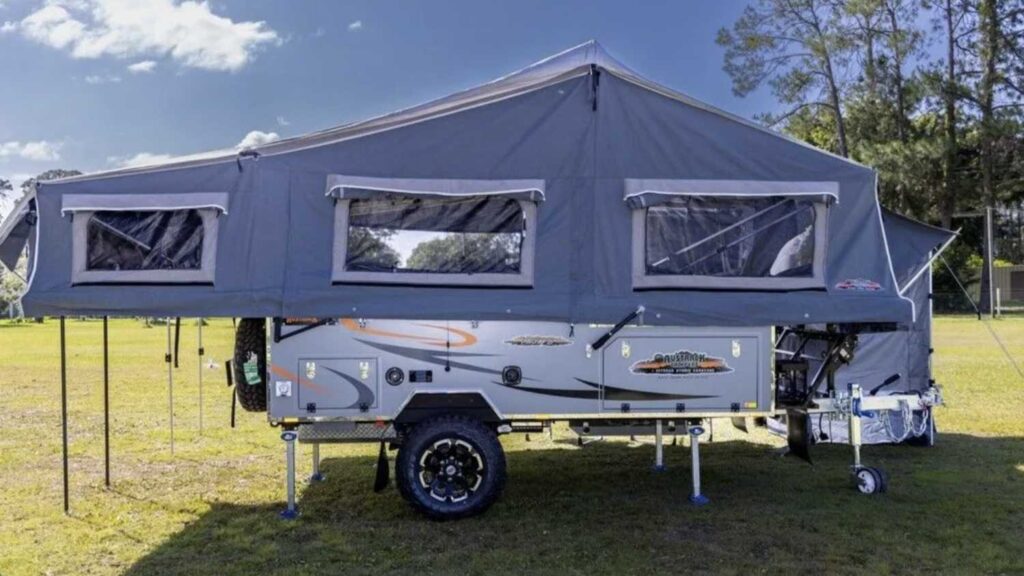
The evolution of the camping industry has been fascinating to watch. Manufacturers have responded to demand by building increasingly capable hybrids and off-road caravans that let people stay off-grid for weeks at a time. For retirees and long-term travellers, those luxuries often make perfect sense.
But not everyone is travelling around Australia for six months. In fact, most of us aren’t.
Many of us are squeezing in long weekends, school holiday breaks, or the occasional two-week adventures when we can wrangle time off work. Yet we’re increasingly being sold camping setups that cost as much as a new dual-cab ute.
With the cost of living continuing to bite, vehicle prices climbing, and interest rates still making buyers think twice before spending, perhaps it’s time to ask a simple question.
Do we really need all that?
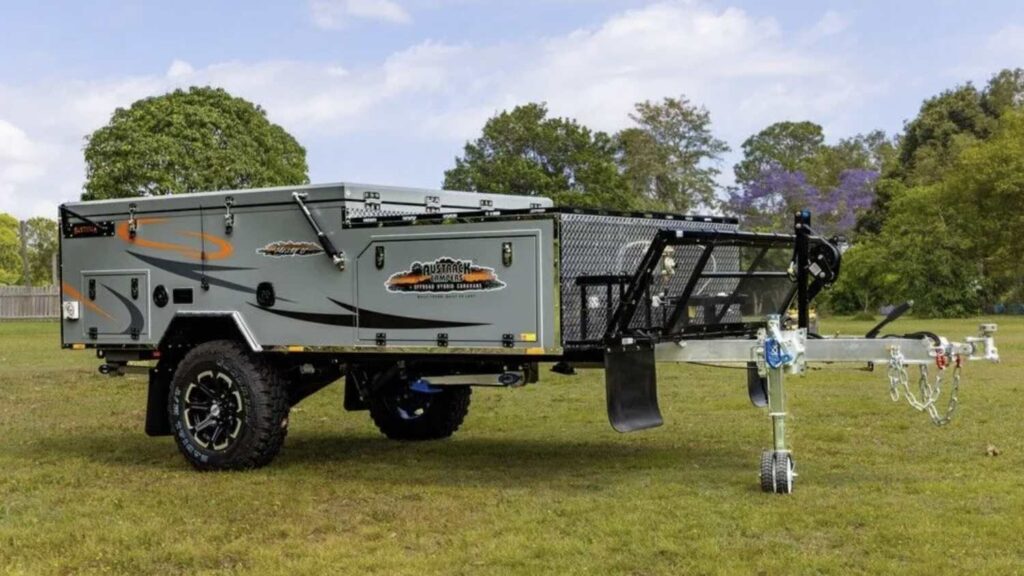
One of the biggest advantages camper trailers still hold is value. While plenty of hybrid campers and off-road caravans now stretch well beyond $70,000 (and premium models comfortably top six figures), a quality camper trailer can still be had for a fraction of the price.
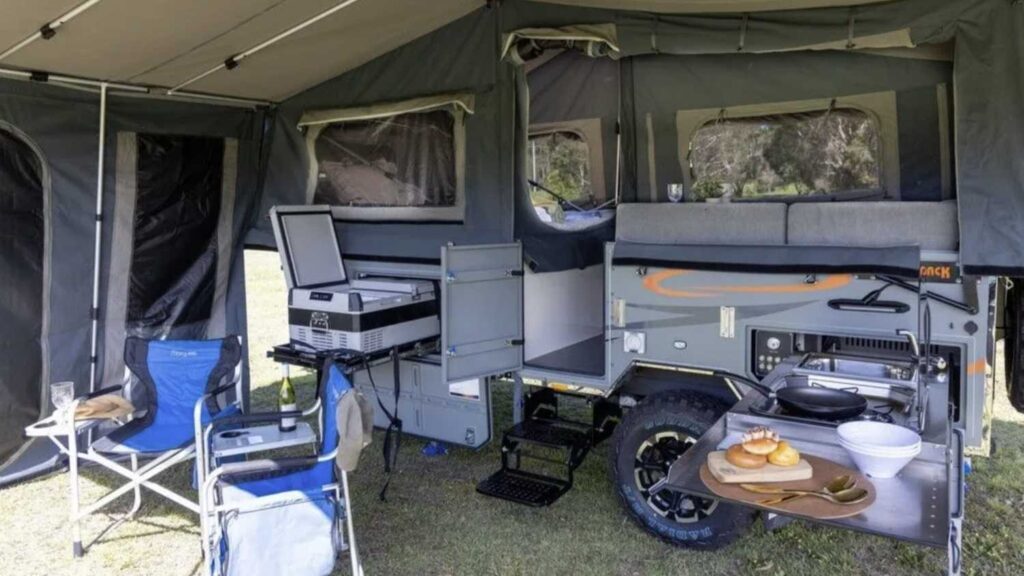
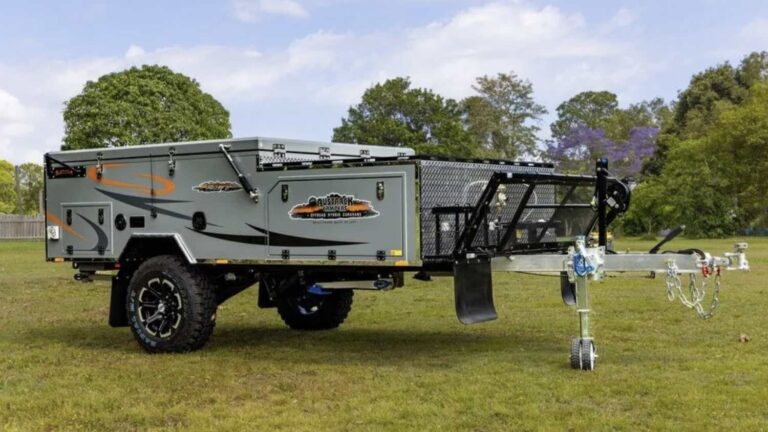
Take the Austrack Plenty LT Double Folding Camper Trailer as an example.
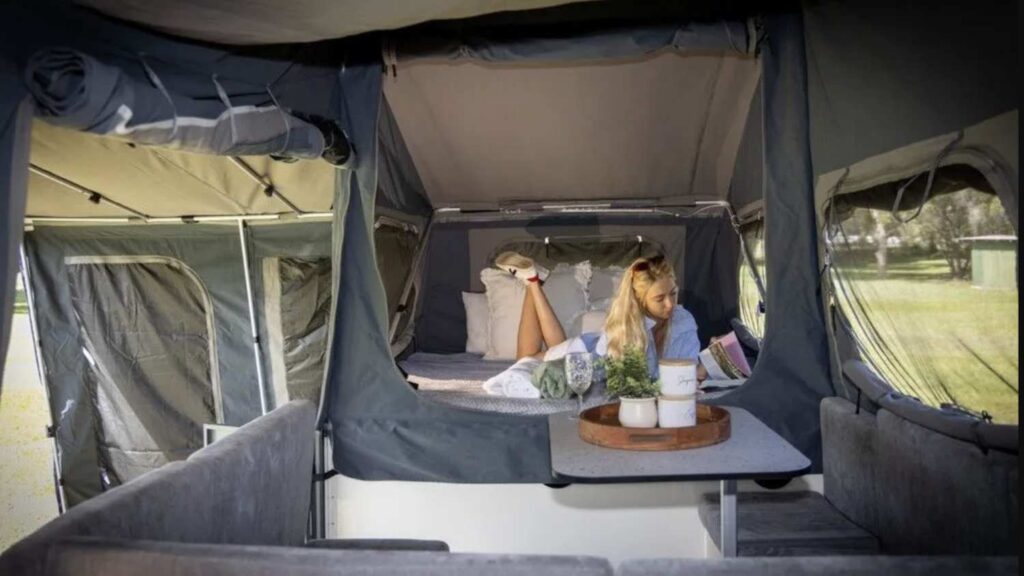
Priced at around the $24,000 mark, it offers genuine off-road capability, sleeping space for a family, a well-equipped kitchen, more storage than you’d expect and the sort of large outdoor living area that made camper trailers so popular in the first place.
That’s a huge difference in upfront cost. In fact, the money saved compared with many hybrid campers could easily pay for years of fuel, campsite fees and unforgettable holidays.
After all, camping isn’t about how much your trailer costs; it’s about where it takes you.
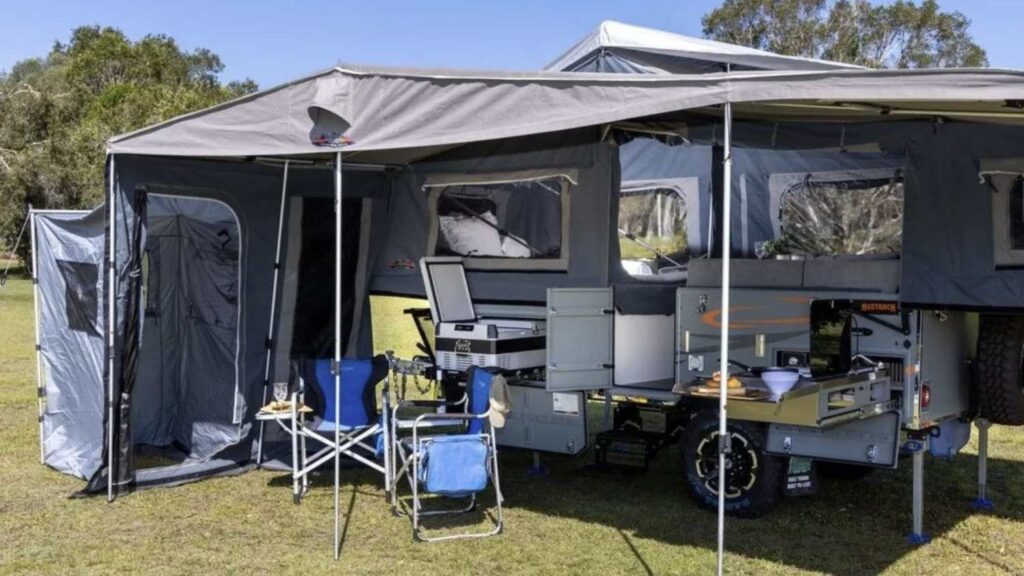
One thing camper trailers have always done exceptionally well is maximise outdoor living.
Instead of trying to squeeze everything into a compact cabin, they embrace the reason most people head bush in the first place; to spend time in the outdoors.
Double-fold camper trailers are a great example. Once opened, they create an enormous campsite with large awnings, plenty of shade and enough room for everyone to spread out. How far you go with the awnings is up to you. You may use one, or you may go the whole hog and have a separate bathroom awning with closed-in walls and extra rooms.
Kids can play under cover if it rains, meals are cooked in the fresh air and evenings naturally drift towards the campfire rather than everyone retreating inside.
Ironically, many camper trailers feel larger than hybrids because so much of your living space extends outdoors.
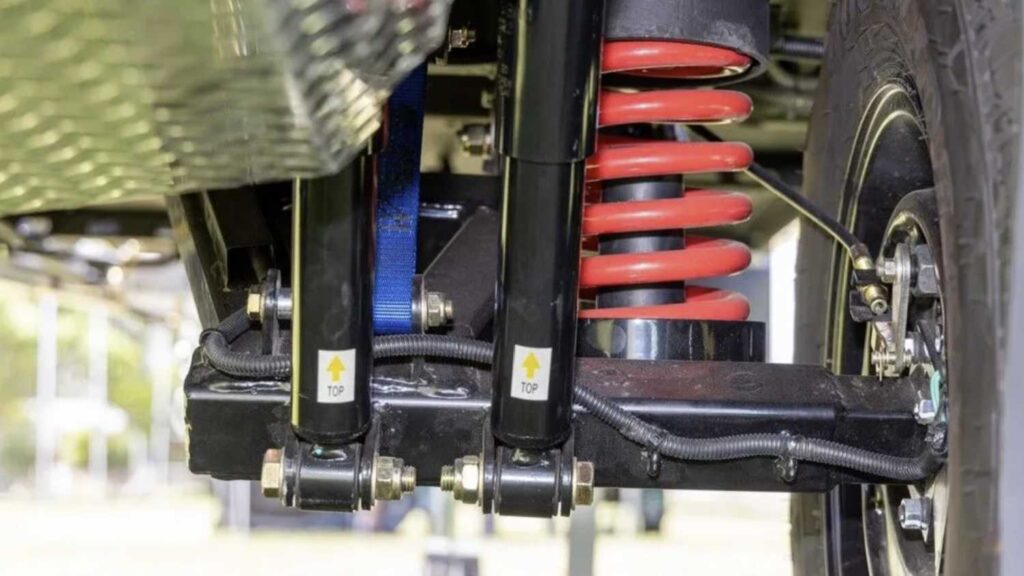
Towing has become a much bigger consideration over the past decade. As campers and caravans have become larger, so too have their weights. That often means buyers need to think carefully about whether their vehicle is up to the task once it’s fully loaded.
Camper trailers remove much of that stress. Their lighter weight makes them easier to tow, easier to manoeuvre and generally easier on fuel. They also place less strain on the tow vehicle and often open the door for owners of smaller 4WDs (or older/cheaper ones with smaller towing capacity) to get out and explore without immediately needing to upgrade their vehicle.
For many, the need to upgrade their vehicle to tow a heavier trailer makes the whole dream unaffordable.
Of course, camper trailers aren’t perfect and that’s why the hybrid market has exploded… not that hybrids are perfect either.
The big downside is that camper trailers generally take longer to set up than a hybrid camper or caravan, particularly if you’re moving every day. Packing away canvas after heavy rain isn’t anyone’s idea of fun either.
But for many campers, those compromises are small compared with the savings in purchase price and towing weight. Especially if you don’t get a chance to get away as much as you’d like and/or tend to spend several nights in the same location.
I’m certainly not suggesting hybrids and off-road caravans are going anywhere. They’re fantastic products and continue to suit thousands of Australian travellers.
But I truly believe that camper trailers deserve another moment in the spotlight.
At a time when Australians are becoming increasingly conscious of getting the most value from every dollar, camper trailers suddenly make a lot of sense again. Especially if you’re not on the road full-time.
They’re affordable, capable, light to tow, and once set up, offer huge living space. And most importantly, they leave more money in the bank for the thing that really matters; getting out there and using them.
I personally don’t believe camper trailers ever stopped being a great idea, but maybe we simply got distracted by the newer, shinier, and more expensive alternatives.
So if you’re looking around for your next camping setup, don’t overlook the humble camper trailer. You might discover that everything you need has been there all along.