What is a snatch strap? How it works and how to use one safely
What is a snatch strap and how does it work? Learn how to use a snatch strap safely for 4WD recovery, from setup and recovery points to common mistakes.
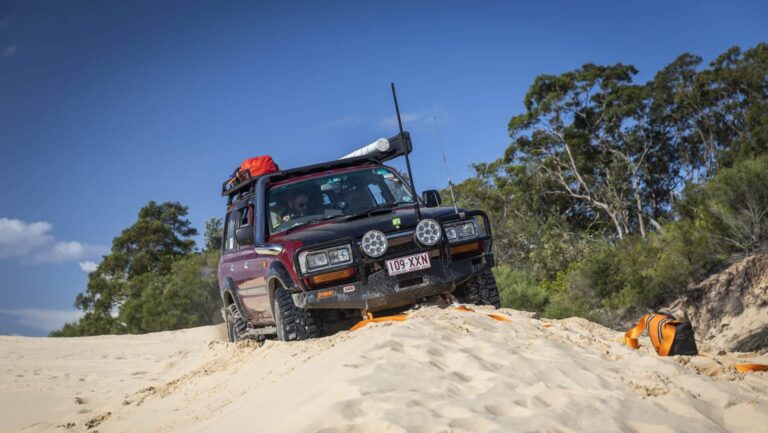
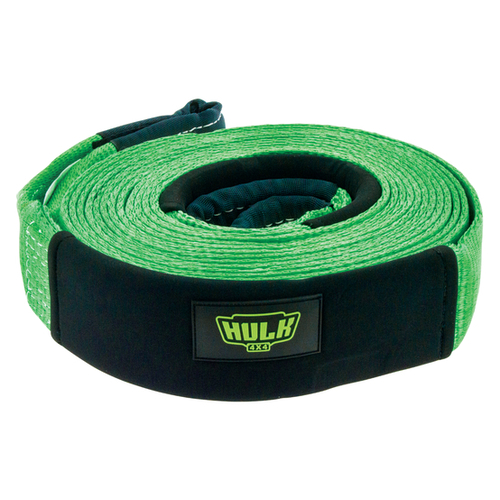
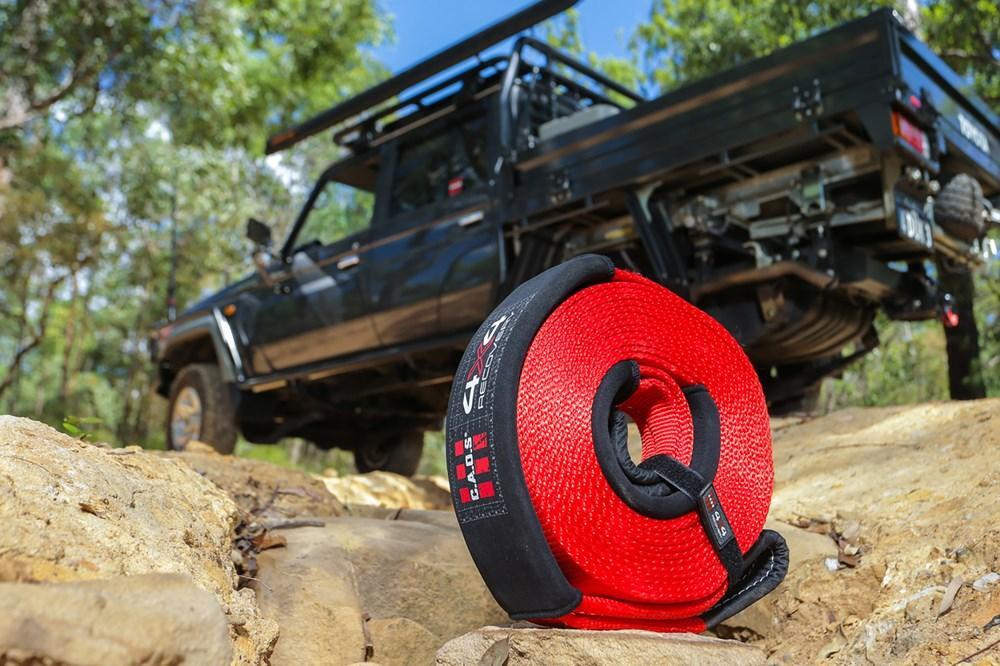
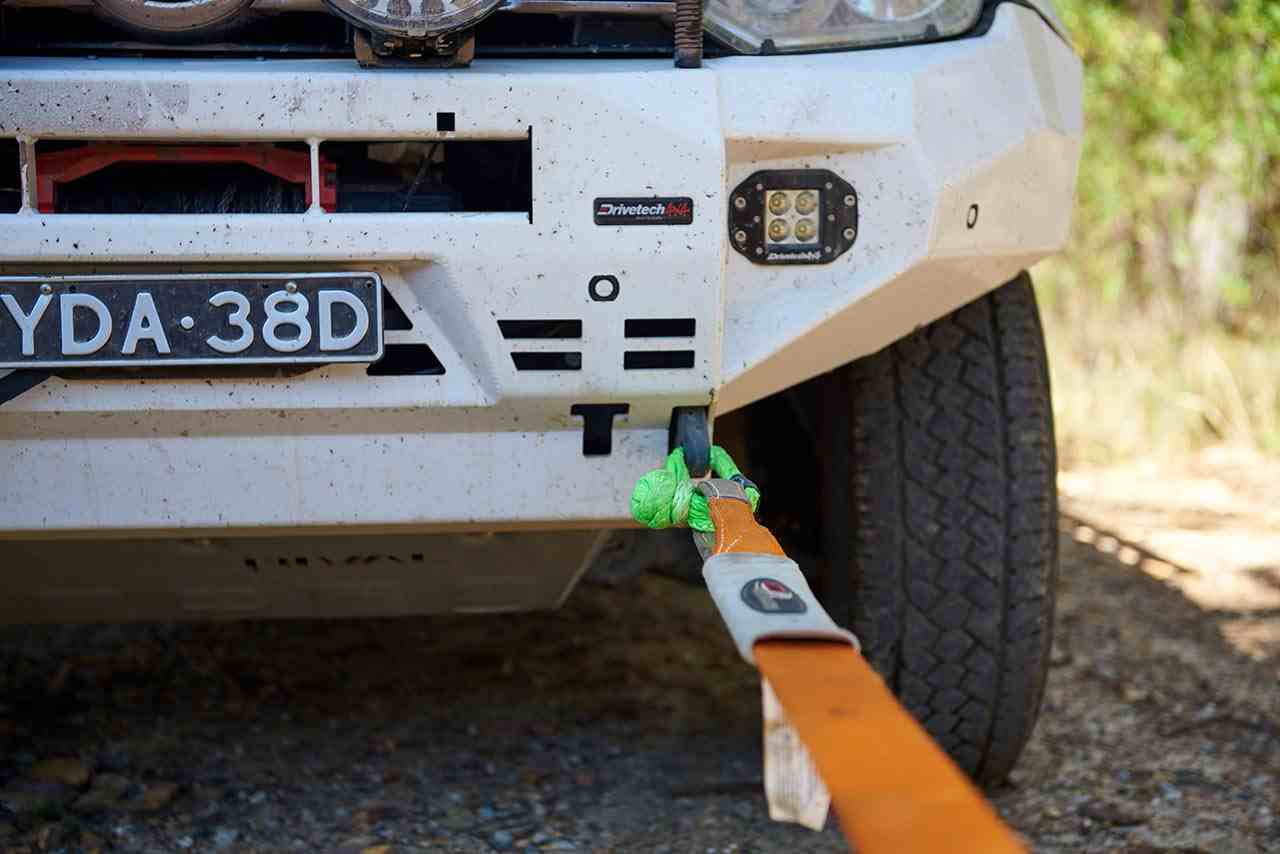
A snatch strap is an elastic vehicle recovery strap designed to help recover a bogged 4WD using kinetic energy. Unlike a tow strap, a snatch strap stretches under load, storing energy before releasing it to help pull the stuck vehicle free.
Used correctly, a snatch strap can be one of the quickest and most effective pieces of 4WD recovery gear you can carry. Used incorrectly, however, it can also be extremely dangerous.
In this guide, we’ll explain what a snatch strap is, how it works, how to choose the right one and how to use a snatch strap safely during a 4WD recovery.
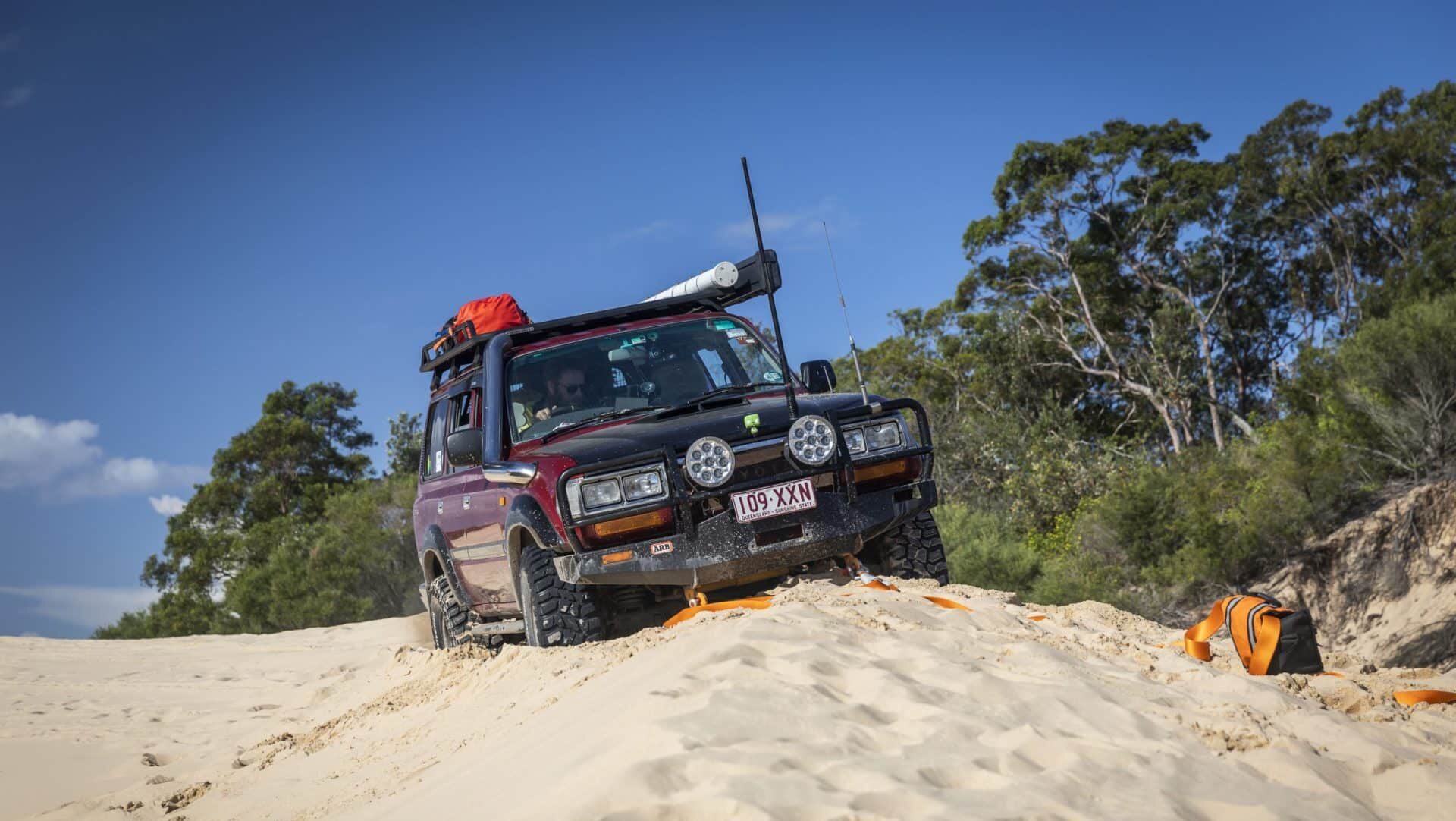
A snatch strap is a piece of 4WD recovery equipment designed to help recover a vehicle that’s bogged in sand, mud or similar terrain. Unlike a tow strap, a snatch strap is designed to stretch under load, storing kinetic energy that helps pull the stuck vehicle free.
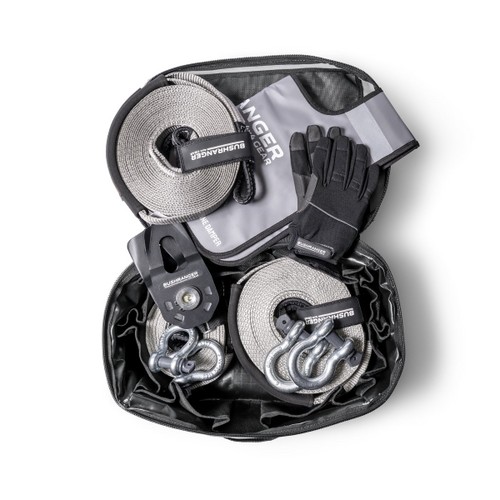
Most decent 4WD recovery kits contain a snatch strap along with other recovery gear such as rated shackles, gloves and a recovery damper. However, snatch straps don’t last forever. They should be inspected regularly and replaced if they’re damaged or no longer performing as intended.
When choosing a snatch strap, don’t simply assume that the biggest, strongest strap is the best option. The strap needs to be suitable for the vehicles involved and the recovery being attempted. Check its rating and specifications and follow the strap manufacturer’s recommendations.
This becomes particularly important when recovering someone else’s vehicle. Just because you have a snatch strap in the back of your 4WD doesn’t mean it’s suitable for every vehicle you come across.
And before you attempt any snatch recovery, make sure both vehicles have suitable recovery points. If you’re not confident that the recovery can be performed safely, reach for the shovel or recovery boards instead.
A snatch strap is typically made from nylon webbing with reinforced loops at either end. Its key feature is its ability to stretch under load.
As the recovery vehicle moves forward, the strap progressively stretches and stores kinetic energy. That energy is then transferred to the stuck vehicle, providing a smoother pulling force than you’d get from simply yanking on a non-stretch strap.
Think of it a little like stretching a heavy-duty elastic band. It’s this stretch and energy transfer that makes a snatch strap particularly effective for recovering vehicles bogged in sand or mud.
That stretch is also what makes a snatch recovery potentially dangerous. Considerable forces can be generated during a recovery, particularly if excessive speed or unsuitable equipment is involved.
Although they can look similar, a snatch strap and tow strap aren’t the same thing.
A snatch strap is designed to stretch and use kinetic energy to assist in recovering a bogged vehicle. A tow strap is designed primarily for pulling or towing and generally has much less stretch.
For this reason, a snatch strap shouldn’t simply be substituted for a tow strap, nor should it be used as part of a winching operation unless specifically permitted by the equipment manufacturer.
Use each piece of recovery equipment for the job it was designed to do.
Never attach a snatch strap to a tow ball
This one’s important enough to deserve its own section.
Never attach a snatch strap to a tow ball.
Tow balls are not designed to withstand the forces generated during a snatch recovery. If one fails, it can become a potentially lethal projectile travelling towards one of the vehicles or anyone standing nearby.
The same principle applies to unsuitable tie-down points or other non-rated attachment points.
A snatch recovery should only be carried out using appropriate recovery points and recovery equipment suitable for the vehicles and loads involved. If the stuck vehicle doesn’t have a suitable recovery point, don’t improvise.
Digging, reducing tyre pressures where appropriate and using recovery boards may take longer, but they’re much better options than turning a chunk of metal into a missile.
How to use a snatch strap safely
Before reaching for the strap, work out why the vehicle is stuck. Is it simply lacking traction, or is it sitting on its belly with the wheels unable to get enough purchase?
If ground clearance is the problem, grab a long-handled shovel and remove as much sand, mud, snow or other material from underneath the vehicle as possible. Clear a path in front of the tyres in the direction you intend to recover the vehicle.
If lack of traction is the problem, reducing tyre pressures further may help, depending on the terrain and current pressures.
A few minutes of preparation can dramatically reduce the amount of force required to recover the vehicle. Less force means less stress on the recovery points, strap and vehicles, and generally makes for a safer recovery.
1. Inspect the recovery equipment
Before connecting anything, inspect the snatch strap for cuts, damaged stitching, excessive wear or contamination. Check shackles and other recovery equipment for damage as well.
If something doesn’t look right, don’t use it.
2. Check the recovery points
Both vehicles need appropriate recovery points suitable for the recovery being attempted.
Don’t use a tow ball and don’t assume every hook, loop or tie-down point underneath a 4WD is suitable for recovery. If you’re unsure about a recovery point, check the vehicle or equipment manufacturer’s guidance before using it.
3. Position the vehicles
Where possible, position the recovery vehicle in line with the stuck vehicle and in the direction you want it to travel.
Lay the snatch strap out between the vehicles and make sure it isn’t twisted, tangled or running across anything that could damage it.
The amount of slack required will depend on the strap, vehicles and recovery situation, so follow the manufacturer’s instructions. You need enough room for the recovery vehicle to build the progressive load required to stretch the strap, but this is not an excuse for a high-speed run-up.
4. Connect the snatch strap
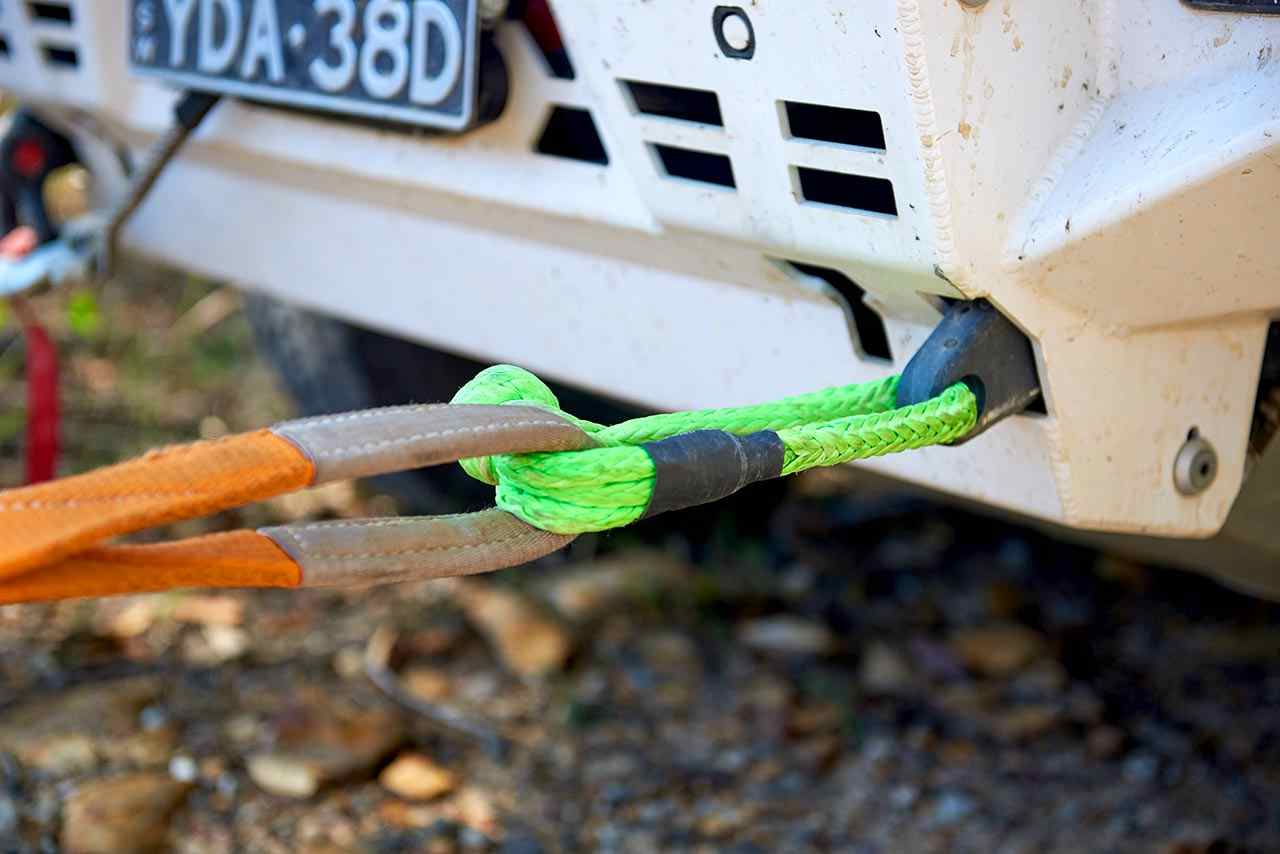
Connect the strap using rated recovery equipment that’s compatible with the recovery points and strap.
Depending on the setup, this may involve rated bow shackles or suitable soft shackles. Follow the manufacturer’s instructions for the particular recovery points, shackles and strap you’re using.
If using a bow shackle, make sure its Working Load Limit (WLL) is clearly marked and that it’s appropriate for the application. Don’t substitute an unrated hardware-store shackle for proper recovery equipment.
5. Clear the recovery area
Before either vehicle moves, everyone not directly involved in the recovery needs to be well clear.
A recovery damper should be used where appropriate and positioned according to the equipment manufacturer’s instructions.
Never step over a strap once the recovery is underway or while it’s under tension.
Both drivers should have their seatbelts on, and there should be a clear method of communication between them. UHF radio makes this much easier, but agreed hand signals can also work when appropriate.
If another person is coordinating the recovery, they should remain well clear of the recovery path and never stand between the two vehicles.
6. Carry out the recovery
Both drivers should understand exactly what is about to happen before anyone moves.
The stuck vehicle should be ready to drive in the direction of the recovery and assist rather than simply being dragged out.
The recovery vehicle should move away smoothly and progressively. The aim isn’t to hit the end of the strap as hard as possible. Excessive speed dramatically increases the forces placed on the strap, recovery points and vehicles.
As the strap stretches and begins transferring energy, the driver of the stuck vehicle should apply appropriate drive to help the vehicle regain momentum and traction.
Once the stuck vehicle is moving freely, both drivers should slow down in a controlled manner and stop when it’s safe to do so.
What if the vehicle doesn’t come out?
Don’t automatically back up and hit it harder. If the first attempt doesn’t work, stop and reassess the situation.
Check whether the vehicle is hung up underneath, whether more digging is required or whether lowering tyre pressures further would improve traction. Recovery boards may also help reduce the amount of force required.
You may need to alter the recovery approach, but simply adding more speed can dramatically increase the loads being placed on the recovery equipment and vehicles.
Sometimes a snatch strap isn’t the right recovery method at all. Depending on the situation, digging, recovery boards or a properly planned winch recovery may be safer and more effective.
Common snatch strap recovery mistakes
A snatch strap is relatively simple to use, but that doesn’t mean every snatch recovery is safe. Some of the biggest mistakes include:
attaching the strap to a tow ball or unsuitable recovery point
using damaged or incorrectly rated recovery equipment
using excessive speed and shock-loading the recovery
failing to clear sand, mud or other obstacles before attempting the recovery
allowing bystanders to stand too close to the recovery
poor communication between drivers
using a snatch strap for towing or another job it wasn’t designed to perform
assuming that if the first attempt fails, the answer is simply to try again harder.
If you’re unsure about the recovery setup or the equipment being used, stop and reassess before continuing.
How to clean and store a snatch strap
Once the vehicle has been recovered, inspect the strap before putting it away. Look for cuts, fraying, damaged stitching, excessive wear or other signs of damage. Pay particular attention to the reinforced eyes and any areas that may have rubbed against the ground or another object during the recovery.
If the strap is covered in sand or mud, don’t simply throw it back into your recovery bag.
Clean it according to the manufacturer’s instructions and allow it to dry completely before storing it. Keep it away from chemicals, excessive heat and anything else that could damage the fibres.
When should you replace a snatch strap?
Snatch straps are consumable recovery equipment and won’t last forever. Replace a strap if it shows signs of damage, excessive wear or deterioration, or if it has reached any service-life or retirement point specified by the manufacturer.
It’s also worth inspecting your entire recovery kit periodically rather than discovering something is damaged when you’re already bogged halfway down a beach.
When in doubt, retire it. A new snatch strap costs considerably less than repairing a damaged 4WD and recovery equipment isn’t something worth taking chances with.
Snatch straps: simple, but not risk-free
A snatch strap remains one of the most useful pieces of equipment you can carry when heading off-road, particularly if sand, mud or other soft terrain is on the itinerary. But there’s a big difference between carrying one and knowing how to use one properly.
Take the time to assess the situation, use suitable rated recovery equipment, minimise the force required and make sure everyone is well clear before starting the recovery. And if a snatch recovery doesn’t look safe, don’t force it. Sometimes the shovel and recovery boards really are the better option.
Snatch strap FAQs
What is a snatch strap used for?
A snatch strap is primarily used to recover a vehicle bogged in terrain such as sand or mud. It stretches under load and stores kinetic energy, which helps provide a progressive pulling force to the stuck vehicle.
How much does a snatch strap stretch?
It depends on the particular strap. Snatch straps are designed to stretch under load, but the amount varies between products. Check the manufacturer’s specifications for your strap rather than relying on a general percentage.
Can you use a snatch strap for towing?
A snatch strap is designed for kinetic vehicle recovery, not general towing. Use a suitable tow strap or other equipment designed for towing instead.
Can you attach a snatch strap to a tow ball?
No. Never use a tow ball as a recovery point for a snatch strap. A tow ball can fail under recovery loads and become a potentially lethal projectile.
Are soft shackles better than bow shackles?
Both can have a place in a 4WD recovery kit. What’s important is that the shackle is suitable for the recovery equipment and attachment point being used and that you follow the manufacturer’s instructions.
How long does a snatch strap last?
There’s no single number of recoveries that applies to every snatch strap. Wear, damage, contamination, storage and the manufacturer’s specifications all matter. Inspect your strap before and after use and replace it if there’s any doubt about its condition.
Unsealed 4X4 delivers honest 4WD advice, gear reviews, and travel guides crafted from real Australian adventures. Since 2014, we've tested the gear, driven the tracks, and learned what works - so you can hit the tracks safely.