GVM upgrades in 2026: What 4WD owners need to know
Think your 4WD setup is legal? ADR 80/04 has changed the game for GVM upgrades and overloaded touring rigs in Australia.
Last Updated: 12 May 2026

There’s a decent chance your 4WD is heavier than you think. Not “a bit close to GVM” heavy either. Potentially illegal, uninsured and mechanically stressed heavy.
And thanks to ADR 80/04 regulations, fixing that problem in 2026 isn’t as simple as bolting in heavier springs anymore. For some popular touring rigs, particularly older platforms like the V8 79 Series LandCruiser, the rules around GVM upgrades have changed significantly.
GVM stands for Gross Vehicle Mass. It’s the maximum legal weight your vehicle is allowed to weigh once everything is loaded into it.
That includes passengers, fuel, accessories, luggage, recovery gear, towball download and pretty much everything else you’ve bolted on, packed in or thrown in the back.
And this is where touring setups get caught out.
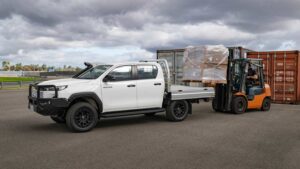
A dual-cab ute might look like it has a decent payload on paper, but start adding a bull bar, canopy, drawers, rooftop tent, bigger tyres, dual batteries and a fridge, and suddenly you’ve chewed through hundreds of kilos before anyone has even climbed in.
For years, a lot of 4WD owners treated GVM limits as more of a rough guide than a hard limit. That mindset is becoming a genuine problem.
Roadside compliance checks are increasing across Australia, and insurers are paying much closer attention to overloaded vehicles after accidents. If your vehicle is found to be operating outside its legal limits, you could potentially be facing fines, defect notices or insurance headaches.
Victoria Police conducted more than 1,200 weighbridge operations in a single year with a failure rate of around 23 per cent. That’s a lot of overloaded touring rigs getting around. If your vehicle tips past its GVM the moment you fill the water tank or load your camping gear in the back, you are not just risking a fine in the thousands, you are effectively driving uninsured, because most policies won’t pay if your vehicle is found to be ‘non-compliant’.
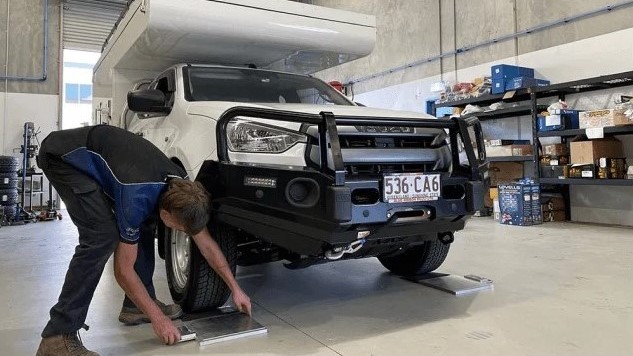
Most owners do not set out to break the law; they simply succumb to weight creep.
Take a standard 4WD with a 1,100kg theoretical payload. By the time you’ve bolted on a steel bull bar (60kg), an aluminium canopy (150kg), a dual battery system (30kg), and a roof-top tent (80kg), you have already consumed 410kg of your available capacity without a single passenger or litre of fuel on board.
| Modification/Item | Estimated weight added |
|---|---|
| Steel bull bar | 60kg |
| Aluminium canopy | 150kg |
| Roof rack + tent | 80kg |
| 2 adults | 160kg |
| Caravan towball download | 250kg |
One of the biggest changes affecting 4WD owners right now is ADR 80/04 emissions compliance.
Previously, many GVM upgrades could be completed before registration through what’s known as a Second Stage Manufacture (SSM) approval process. In simple terms, upgraded suspension and engineering paperwork were completed before the vehicle was first registered.
But ADR 80/04 changed that landscape.
Because increasing a vehicle’s carrying capacity can affect how the engine operates under load, many older engine platforms can no longer follow the same pre-registration pathways they once did.
The V8 Toyota 79 Series LandCruiser is one of the most talked-about examples.
That means many owners now need post-registration GVM upgrades instead, which require individual engineering inspections and certification.
This is where plenty of people get confused.
A suspension lift is not automatically a legal GVM upgrade.
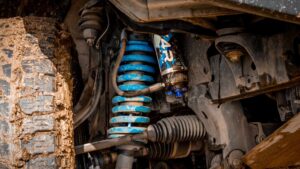
Sure, heavier springs and upgraded shocks might improve how a loaded vehicle feels on the road, but unless the upgrade has been properly engineered and certified, your legal GVM generally hasn’t changed.
A proper GVM upgrade involves compliance approval, engineering sign-off and ensuring the vehicle can safely operate at its increased weight.

That’s where companies like Fulcrum Suspensions come into the picture.
Rather than simply fitting heavier springs and sending you on your way, Fulcrum’s GVM and towing assessments look at how the vehicle is actually loaded and used in the real world.
That includes analysing individual axle loads, suspension geometry and how weight is distributed across the vehicle.
Where required, Fulcrum can fit Formula 4×4 GVM upgrade packages designed specifically for heavily loaded touring vehicles, including upgraded shocks and suspension components built to better manage heat, weight and handling under sustained loads.
The goal isn’t just making the vehicle sit higher. It’s about ensuring the setup remains compliant, predictable and safe once fully loaded for touring.
Not every 4WD owner automatically needs a GVM upgrade. Sometimes the smarter solution is simply carrying less gear.
A surprising amount of weight can come from accessories and equipment that rarely get used. Roof racks, oversized drawer systems, extra spare wheels and overloaded tool kits all add up quickly.
In some cases, removing unnecessary gear or switching to lighter accessories can bring a vehicle back within its legal limits without spending thousands on engineering upgrades.
But for genuine touring setups carrying serious loads, a certified GVM upgrade can make a lot of sense both legally and from a safety perspective.
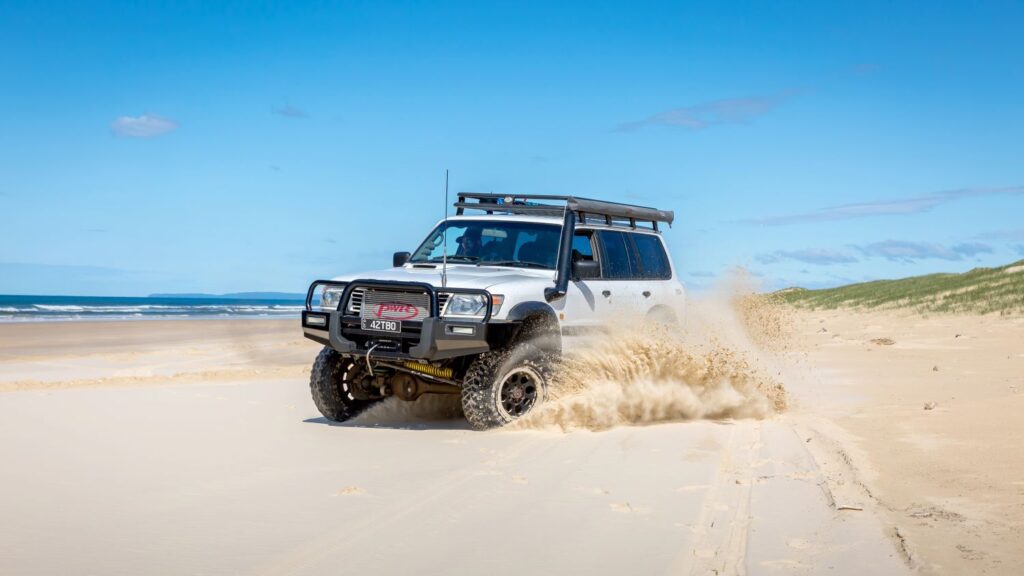
The days of blindly loading up a touring rig and hoping for the best are probably coming to an end.
Modern 4WDs are carrying more gear than ever, ADR 80/04 has changed the GVM upgrade landscape, and compliance scrutiny is only increasing.
Whether the solution is smarter packing or a certified GVM upgrade, the important thing is understanding what your vehicle actually weighs before you head off on your next trip.
When you buy through these links, Unsealed 4X4 may earn a small commission. It doesn’t change the price you pay, and it helps us keep producing practical tips, guides, and inspiration for 4WD enthusiasts at no cost to you.