Toyota HiLux N80 problems: Common issues and how to fix them
Common Toyota HiLux N80 problems explained, including DPF issues, timing chain rattles, EGR failures and transmission concerns.
Published on: 20 May 2026

There’s not a lot I can say about the mighty HiLux that hasn’t already been said. They’re known for being as reliable as gravity, as hard-working as the filter on a Marlboro Red and as popular as chrome-dipping at a Harley Davidson convention.
There are also more products and aftermarket gear available for them than anything this side of a Jeep Wrangler, meaning you can turn them into anything from a long-distance tourer to an absolute track-eating weapon. Nothing is impossible with a Luxy, and most of it has already been done.
The 8th-generation N80s came on the scene in 2015, had a bunch of upgrades over the model run, like revised suspension in 2017, a power-up to 150kW and 500NM in 2020, an improved cooling system and the introduction of the GR and Rogue models that moved the HiLux out of the “humble work ute” category and into the “your rich uncle would drive this” sector.
Despite a few hiccups out of the gates, the N80 has become one of the most reliable rigs on the market, and one of the better buys for those looking for a second-hand workhorse. However, it hasn’t all been smooth sailing for the `Yota faithful. The 1GD-FTV 2.8L turbo diesel has been through its fair share of recalls and fault findings.
Given we’ve already covered the D4D’s problems and solutions we thought we’d throw together this update for the later 2015-to-2026 era.
As Toyota love to do, the N80 run is up there with Forrest Gump’s in terms of length. With models from 2015 and 2025 both being designated as “N80” we’ll do our best to keep things relevant to each period of the brand. It should also be noted that, as you’d expect, as time went on they tended to get better with revisions and fixes for issues that troubled earlier versions. A 2015 model will be markedly different to a 2025 model, because ten years is a long time in the automotive world.
Just think what the last decade has brought us: The EV explosion (sometimes literally); tech nobody, and I mean absolutely nobody, wanted like lane assist and autonomous emergency braking; and the loss of the much-loved-and-occasionally-loathed Land Rover Defender (like it or not, they’re a 4X4 icon). All of that happened within the N80’s model run, so yeah, a few changes are to be expected.
Anyway, you get the point. Let’s get to some problems and their fixes.
| Problem | Severity | Expensive? | Common On |
|---|---|---|---|
| DPF issues | Medium | Yes | Early models |
| Fifth injector faults | Medium | Yes | Pre-2020 |
| Timing chain rattle | Medium | Moderate | Earlier N80s |
| EGR cooler leaks | High | Moderate | Higher km vehicles |
| Airbox dust sealing | Medium | Cheap fix | Early models |
| Transmission heat | Medium | Preventable | Towing vehicles |
| Thin paint | Low | Cosmetic | All years |
Yes. Despite a few known issues like DPF problems and timing chain wear on earlier models, the N80 HiLux is widely regarded as one of the most reliable modern dual-cab utes in Australia.
Diesel Particulate Filters, especially in the first couple of N80 years, had a habit of not working, failing and generally just being the automotive equivalent of my father’s disappointment in me. Toyota Australia actually faced a class-action lawsuit over the DPF debacle, given the prevalence of the problem.
In a nutshell, they didn’t do what they said they would on the box. They clogged up, they didn’t regenerate, and they failed with almost spectacular regularity. Something which neither the owners nor the EPA were too impressed with.
Smoke. Usually a fair amount of the white stuff on start-up. Limp mode would also often be instigated as well. More than one owner reported being pulled over by the constabulary for their vehicle blowing too much smoke on acceleration and handed hefty fines, ultimately leading to the mentioned lawsuit.
As has been said many times on these pages, this is not limited to the Toyota HiLux. This is an every-modern-diesel issue. DPFs are effectively designed to fail and are one of those things that make a lot of people feel warm and fuzzy about diesel emissions while actually not doing that much to help. The early N80 ones were particularly bad, but I can’t think of a single late-model diesel engine that hasn’t had at least a couple of issues around DPFs. They suck, and I’ll die on this hill. Same with EGRs, but I’ll get to them in a minute.
I mean, you can tune them out and remove them, while making the engine run smoother, more efficiently, with more power, more reliability and with fewer emissions, but for some reason that’s super-illegal so I won’t mention it.
Toyota actually added a manual burn-off button in 2019 to help side-step the issue of them clogging up, which definitely helped. But the short answer is that if your vehicle is out of warranty, then you’re looking at north of the two-grand mark to purchase and fit a replacement DPF. Once in place, your problems should be done. Hopefully for the life of the vehicle. Hopefully.
No, despite me making them sound like the world’s worst thing. They’re not. Not really, anyway. I think we can all understand why they’re there and the good of the function they’re meant to perform. It’s just they suck at it.
But if you take your Lux on a good highway run every week or so and make sure the re-gen has completed before switching your vehicle off, along with regular servicing then there’s no reason your DPF can’t last a good long time.
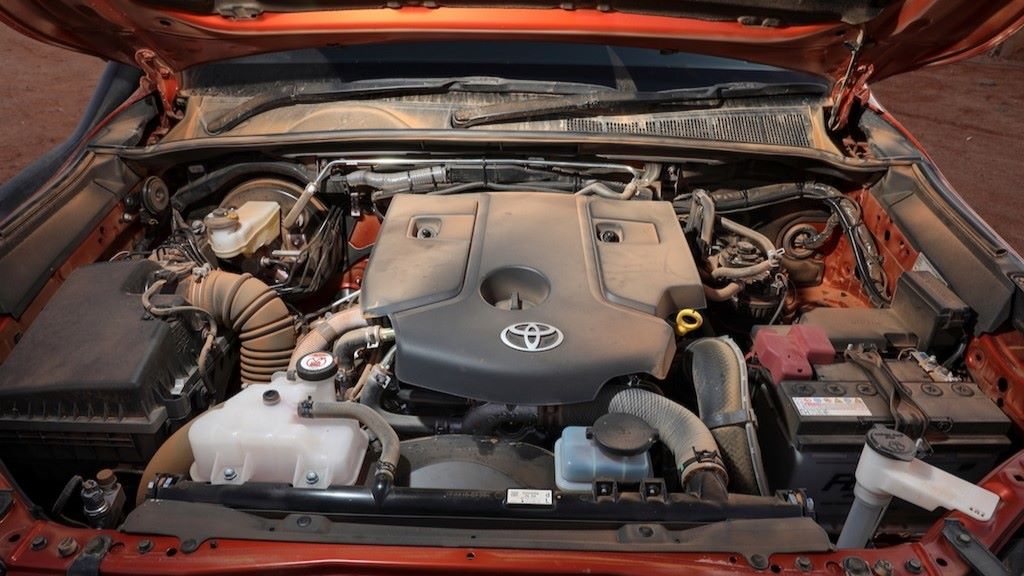
While we’re lamenting the existence of… er, I mean talking about, DPFs, we should also mention the fifth injector. Yep, the 1GD-FTV is a four-banger and has four fuel injectors spraying fuel into the cylinder. There’s also a fifth one for the DPF system, and they’re prone to going pop and causing your dash to go crazy with more lights than a B&S ball.
All the warning lights you’ve hopefully never seen will make themselves known and it’s not uncommon for the vehicle to go straight into limp mode without passing go or collecting two-hundo bucks. A bunch of smoke out of the exhaust will also likely occur. Very cool if you’re James Bond and the baddies are chasing you in your Aston. Very uncool when you’re driving home from work and the cops are behind you.
The fifth injector is there to increase temperatures within the DPF to aid in active regeneration. Unfortunately, they failed to the point that Toyota redesigned them with more cooling capability to stave off damage. Unfortunately, this was in 2020-2021, so there’s a lot of N80s that still are running around with the older style injector.
No need to mention the illegal mods again, no matter how much sense they may make… which I’ve just been told is zero, according to our lawyers. But it’s a known issue so hopefully you can get it sorted under warranty from Toyota if your rig still has one. If not, you’re looking at a replacement DPF, which will sting you over two grand.
If you drive your HiLux at least weekly on the freeway and don’t use it solely to run to the shops and back, then no. If you use it as a short-drives-only sort of vehicle then there’s a higher chance that DPF problems can occur. As always, keeping your diesel serviced is of paramount importance.
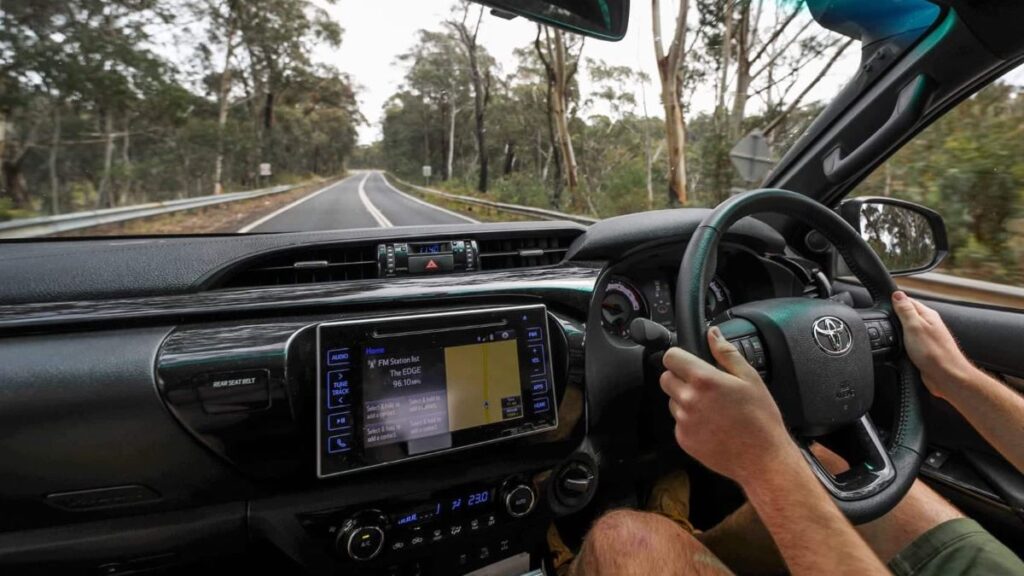
The EGR cooler is known for springing leaks. The fun part? You can’t tell it’s leaking until it’s often too late. It’s nestled up against the passenger-side of the block, so when a hole is opened up it’s usually on the block side, and it starts depositing coolant into your engine. If you’re not careful, catastrophic engine damage can occur.
It may not actually affect much until it’s too late. Depending on the location of the leak it can cause anything from overheating due to coolant loss up to major engine damage.
Basically, these things are made out of tinfoil and held together with five-foot-three middle-aged white guy’s dreams of playing in the NBA. Vibration, thermal stress and time can all play their part in causing them to fail. Much like a DPF, they really shouldn’t have been put there in the first place, but whatever.
Also much like a DPF they can be removed and tuned out, but doing so is also incredibly illegal and as such we’d never recommend it. To be fair, they’re not the most expensive part to replace on an engine, and generally only need it every 150,000-180,000kms, so the $700-ish they cost isn’t a regular occurrence.
Nope, but it’s excellent practice to check your coolant level in the overflow bottle on the driver’s side of your radiator every week or so. Any unexplained loss of coolant is a good bet that it’s disappearing out of your EGR cooler.
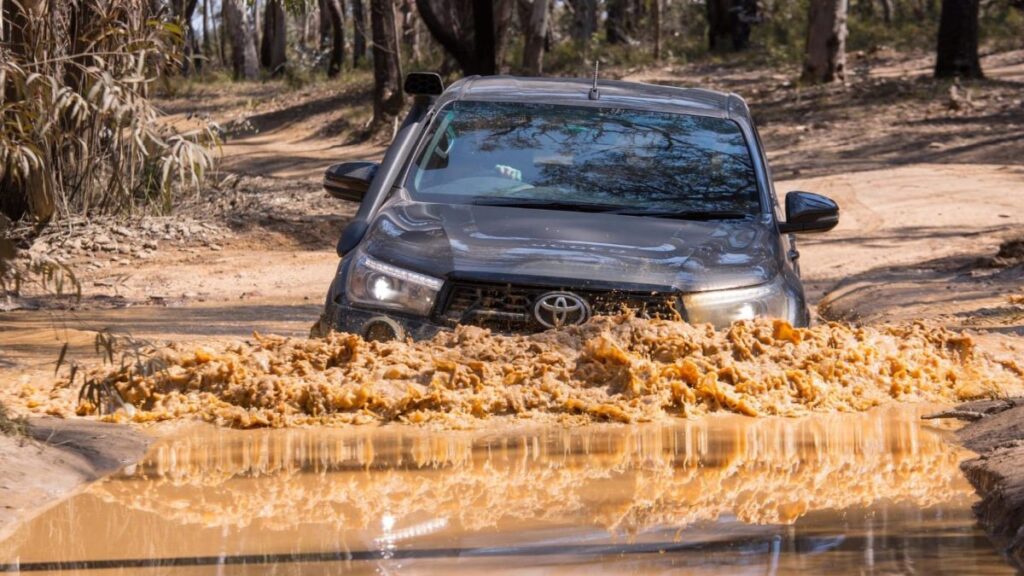
Where the previous D4D engine used a timing belt, the 1GD-FTV 2.8L deezy uses a chain. This is not inherently a bad thing. Chains are stronger than belts and tend to run quieter to boot. The issue comes from the plastic guides that, as the name suggests, keep the timing chain on the right path on its lap of the cams and crank.
In earlier models, in particular, they wear out pretty quickly, causing slack to develop. If left for too long, the chain can jump a tooth, throwing timing out and causing all sorts of five-figure shenanigans.
If you’re going to pick up a second-hand example of the 2.8L one of the first checks is to listen very carefully for rattles from the engine. It’s different to the injector rattle of the D4Ds, it’s a distinct sound. If they’re there, factor in a chain replacement as a bargaining chip. If it’s bad, maybe give that particular vehicle a miss.
As mentioned, the plastic guides are the main culprit, but there are several known examples of chains themselves stretching and the cogs on the cams and crank also letting go.
Have I mentioned regular maintenance yet? Because that’s what will save you a hefty repair bill. A chain swap can be done with the engine in place, but it’s still likely to take your rig off the road for a day or three. Keep in mind, they generally only need to be swapped out every 120,000km or so under usual circumstances.
If there’s no audible rattle and everything is running smoothly then hell no. Even if a rattle has only recently developed you’ve got a little time to get it to your mechanic to get sussed. If your Luxy is sounding like someone emptied a pack of sinkers into a washing machine and hit “spin” then yeah, some worrying maybe warranted.
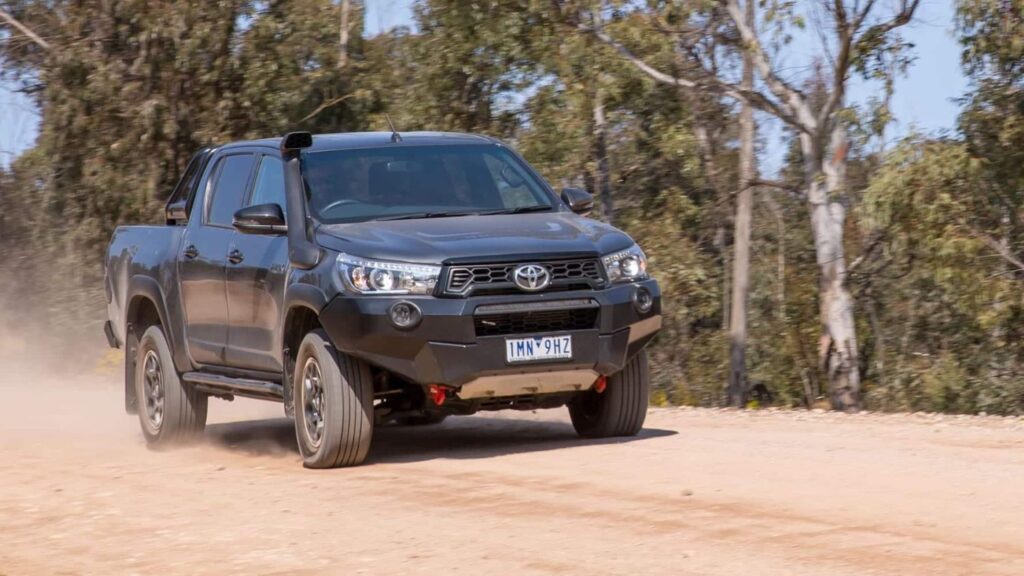
The airbox, especially on the earlier ones, has a nasty habit of letting dust inside. Probably not a huge deal for the Luxies that spend their lives punting around the urban jungle, but for those of us who like to feel the sand between our toes and get some dirt under our nails, then yeah, it becomes something to get salty about.
Dirt in the airbox is not a big deal in and of itself, but when the seal is not doing its job and it can make its way past the air filter without having to actually get filtered then it can cause no end of issues. MAF sensor faults, intake build-up and a rough-running engine are the best case scenario, with things getting much worse quite quickly after that. We went into limp mode 4 times due to this.
The seals on the air box were given the title of “seal” without actually sealing anything. Over enough kilometres and driving over non-bitumen’d terrain they allowed dust, dirt, sand and all manner of fine particles that don’t mix well with engine internals inside to cause problems.
They’re basically your mate who can’t handle his beers and who’s already been kicked out of the pub sneaking back in through the bathroom window with a bag asking if you’re “ready to kick this night up a level?!”
This was fixed at the dealer under warranty, so it shouldn’t be an issue these days. But have a quick check under the air filter to see if there’s any evidence of dirt or dust in the air box. If there is, it’s time for a new seal, or you could treat yourself and grab a whole new upgraded airbox.
Nah, not unless you’ve never seen the inside of your airbox or your mechanic is blind in the eye they use to check the filter at every service. If either/both of those things are true, some internalised consternation may be understandable until you’ve checked under your filter. What you find will determine the worry-levels after that.
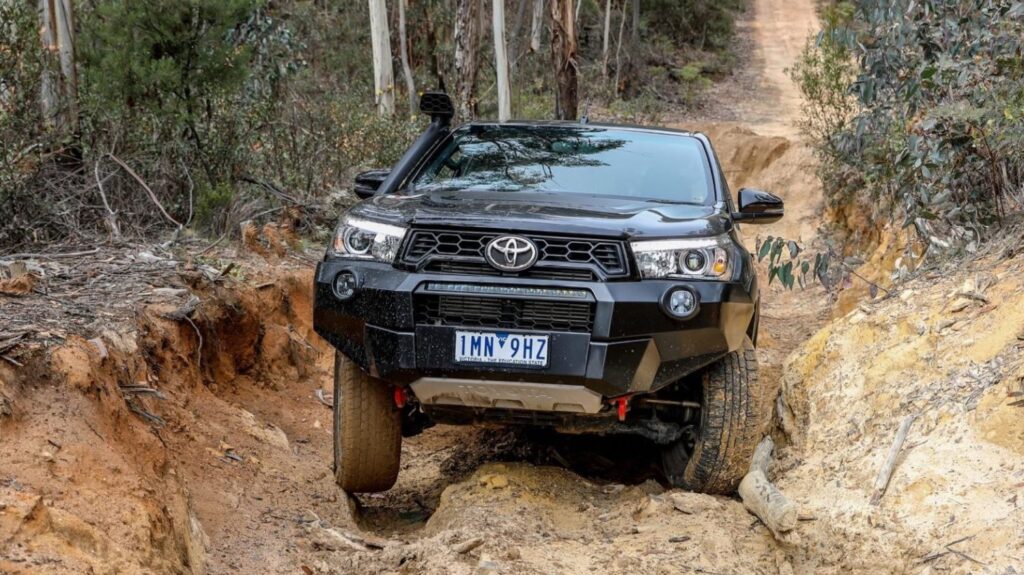
Oil seepage from the turbo which, to be fair, is rare but still worthy of a mention. There have also been reports of a few rear main leaks cropping up from time to time, but again, this seems to be the exception rather than the rule.
The oil supply line to the turbo can develop a minor seep over time which, if left long enough, can cause a few issues like dirtying up your engine block and eventually cause lubrication issues for your turbocharger.
The crank seal leaks usually manifest as some misting between the back of the engine and gearbox. Just like the turbo, it won’t cause any immediate issues but the longer it’s left the higher the potential for damage becomes.
As mentioned, these are fairly unusual occurrences, so there’s no single fault or reason to point to. Sometimes, you just get a bad seal, or sometimes, a seal gets nicked or kinked upon installation. Sometimes you’re just out of luck.
Getting a rear main seal replaced is a fairly involved job and you may be required to leave your vehicle in the workshop for up to a week, so plan accordingly. The turbo seal is a fair bit easier and can be done when the vehicle is next drained of oil as part of regular servicing.
If there’s no oil coming from your turbo or coating the leading surfaces of your transmission, then no. Even if there is, the damage likely to be caused is not catastrophic, unless you leave it for a long time.
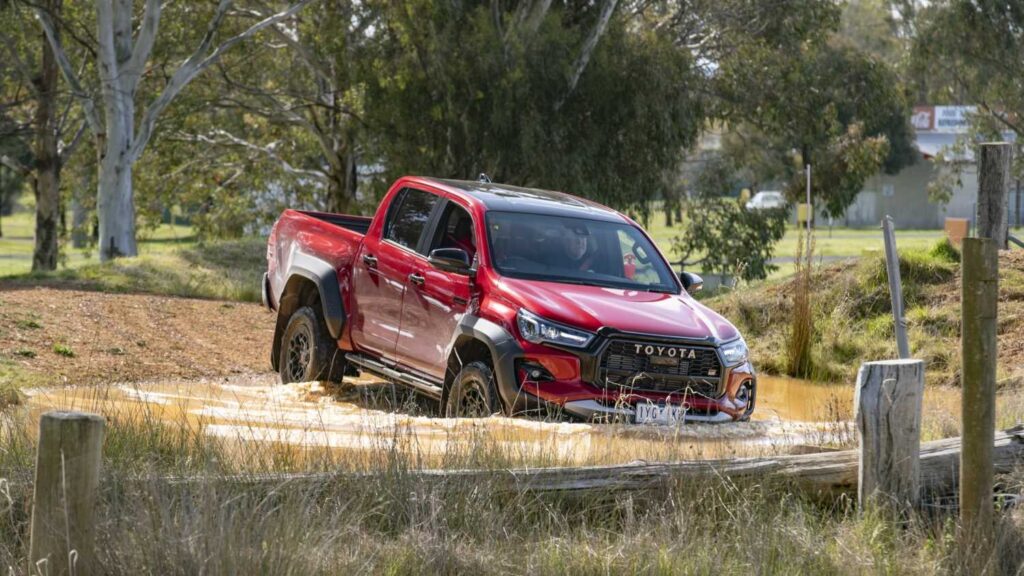
The Toyota AC60 6-speed auto is not a bad transmission at all. They’re well-suited to the HiLux and its range of intended duties as a work ute or tow pig. The external cooler, on the other hand, is somewhat undersized and in heavy-duty applications, like towing or sand-driving, can quickly become overwhelmed.
This isn’t a problem for those vehicles that don’t place a lot of load on their autos, but for heavier rigs that cart a lot of gear and tow caravans or plate boats all over the shop, it’s worth taking note of.
Heat kills autos. If your Automatic Transmission Fluid (ATF) is heated to the point it loses all cooling efficiency and hydraulic functionality, then you’re in for a bad time. It’ll also rapidly increase wear and tear and severely reduce the transmission’s working life.
The torque converter will slip (revs increase, power doesn’t), gears won’t change as easily as they should, and your vehicle will generally just register its displeasure at having overheated ATF by driving like garbage.
Also, burnt ATF is right up there as a smell with burning bags of human waste and anything sold by Gwyneth Paltrow as a perfume. It can’t be unsmelt.
Load equals more friction equals more heat transferred into the ATF equals everything getting hotter equals the transmission eventually leaving the chat. If you treat your autos nicely, they’ll do the same to you. If you flog it like a rented rally car, they’ll chuck tantrums worse than any two-year-old being told that ice cream is not a food group unto itself.
Re-locate the paltry factory unit to the closest waste receptacle and fit a bigger transmission cooler. One of the cheapest and best forms of transmission insurance there is. If you tow or drive a lot of sand on oversized tyres it should be considered mandatory.
You should be aware of the demands you’re placing on your vehicle and act accordingly. If your HiLux is a family vehicle and occasional weekend away with the kids facilitator, then no, don’t sweat it.
If you tow your excavator uphill both ways to the jobsite on the top of Big Red with the tray filled up with bags of concrete every day then yes, I would worry about the transmission not lasting that long.
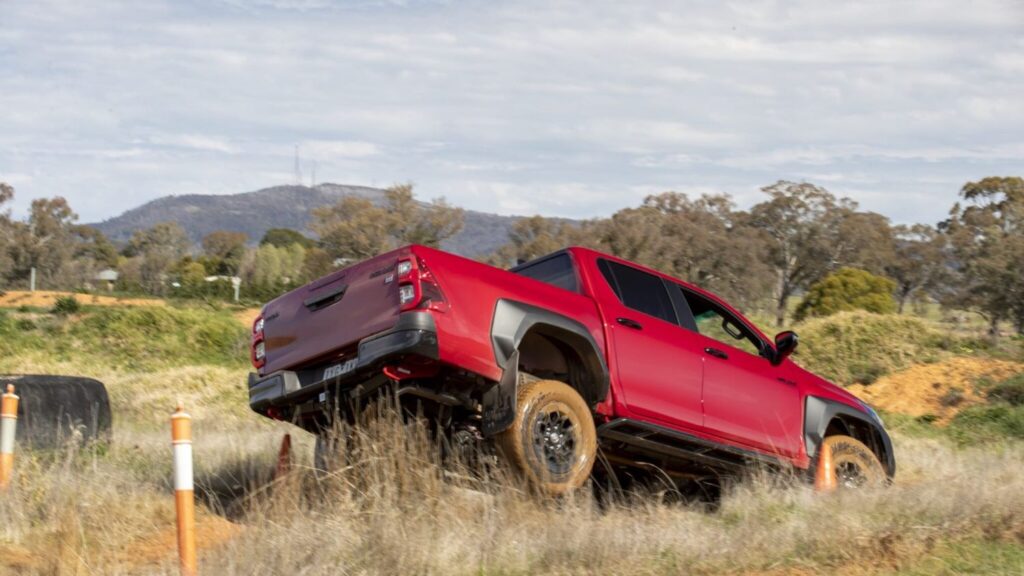
While not really a problem specific to the HiLux, enough people have rubbed through the extremely thinly-applied paint on certain areas of the body to make it worth a mention. More than one HiLux owner has mentioned the “often touched” areas like sills have the paint rubbing through after less than a year of ownership. While not exactly a deal-breaker, it is a bit ordinary on a vehicle that’s not exactly cheap.
It basically looks like some panels have a receding hairline. The paint gets real thin and the undercoat starts showing through. While booking a flight to Turkey is a bit extreme, you may want to have a chinwag with an auto body specialist or invest in a protective vinyl wrap or Bushskinz or similar.
Call it cost-cutting. Call it the removal of harmful yet long-lasting chemicals from the paint. You could even call it a bad day in the spray booth. It’s not just Toyotas either, a bunch of modern vehicles have been accused of having paint jobs skinnier than a crackhead.
While you could take your still-fairly-new HiLux to a spray-painter for a proper coat of your chosen colour, it seems like a lot of money to throw down on top of an already spendy 4X4. Most owners seem to be using products like Bushskinz or a vinyl wrap to cover wear-prone areas and calling it good.
Other than resale, the thin paint isn’t going to hurt much. If you’re driving on the beach every weekend or live in a pineapple under the sea then it’s probably worth paying close attention to the washing schedule of your vehicle, but that goes for rigs with thick paintjobs too, really.

Just as a quick last one, if you have an early model N80, check your doors have the drain plugs fitted. While I haven’t seen this one personally, I’ve been told of a few cases that people have filled up their doors during water crossings and then gone to pluck the plugs out only to find out they hadn’t ever been fitted or were filled with Silastic.
Got a 15-16 Lux and hearing a lot of water sloshing around after heavy rain or a trip to the Cape or Tassie? Chances are your door plugs either don’t exist or have been filled up at the factory with silicone or similar.
Um, not really sure? Probably just an oversight as they were fixed in post 2016 models, but still, it’s a bit of a pain if you’re planning on driving off-road.
If the holes are there but missing the plugs, new ones are only a few bucks from Toyota. If they’re not there at all, might be time to invest in a drill bit and some blanking grommets.
Only if you can hear water splashing around and don’t want your doors to rust from the inside out. It seems to not be a problem on all models, just a few from `15-16, but it’s worth checking before heading out to do some wading.
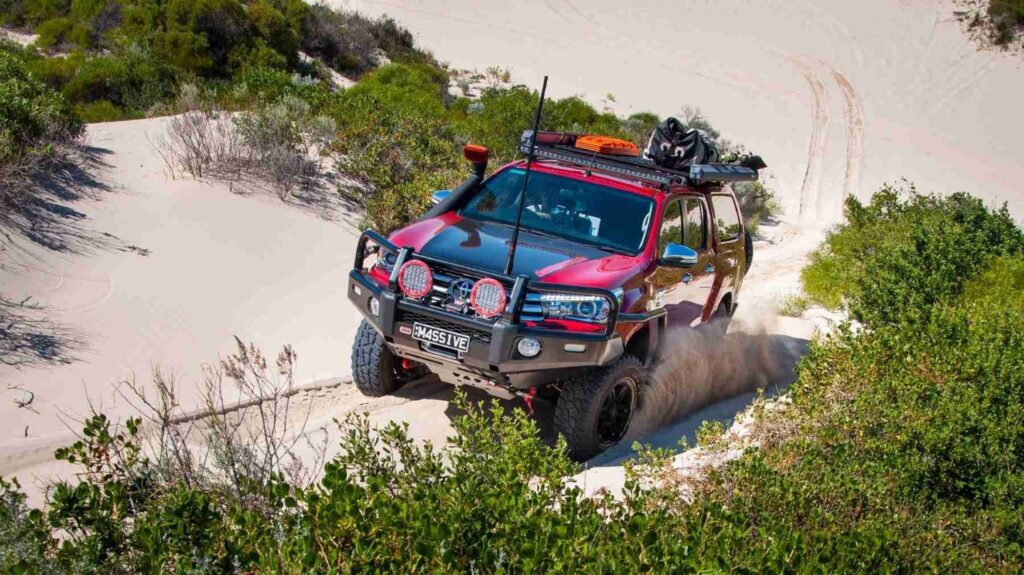
Like most long-running Toyota model generations, the later N80 HiLux models tend to be the pick of the bunch. That doesn’t mean the earlier ones are bad, but Toyota spent the better part of a decade quietly refining things behind the scenes.
If you’re shopping second-hand, the 2020-onwards models are generally considered the sweet spot. That’s when the 2.8L 1GD-FTV turbo diesel received a power bump to 150kW and 500Nm, along with improvements to cooling, drivability and some updates aimed at reducing the earlier DPF and fifth injector headaches.
The 2019 update also introduced the manual DPF burn-off button, which helped owners better manage regeneration cycles, particularly if the vehicle spent most of its life around town.
Earlier 2015–2018 models are still solid utes, but they’re more likely to experience:
That doesn’t automatically make them a bad buy. Plenty of early N80s have racked up huge kilometres without issue, especially when serviced properly and used regularly for touring or highway driving.
If budget allows, a well-maintained 2020+ model is probably the safest bet. But honestly? A properly looked-after earlier N80 with good service history is still likely to outlive most modern dual-cabs on the market.
The good news with the N80 HiLux is that most of the common issues are either preventable, manageable or easy to spot before they become catastrophic wallet-destroyers.
A little preventative maintenance goes a long way with these rigs.
One of the biggest killers of modern diesel DPF systems is constantly interrupting regeneration cycles. If your HiLux starts doing a regen, avoid shutting it off halfway through if possible. Taking it for a decent highway run every week or two also helps keep things happy.
Yeah, obvious advice. But modern common-rail diesels are less forgiving than the old-school oil-burners. Regular oil changes using the correct oil grade are critical, especially for timing chain longevity and turbo health.
If your HiLux spends time on dusty roads, remove the air filter occasionally and inspect the airbox for signs of dust bypassing the seal. Catching it early can save your engine from ingesting enough dirt to start its own sandpit.
A slowly dropping coolant level can be one of the first signs of an EGR cooler leak. Check the overflow bottle regularly and investigate any unexplained coolant loss before it turns into a much bigger problem.
If your N80 spends its life towing caravans, boats or heavy trailers, an upgraded transmission cooler is cheap insurance. Heat is one of the fastest ways to shorten the life of an automatic transmission.
Timing chains usually give some warning before they become a major issue. If your HiLux starts sounding like a bag of bolts on cold start-up, don’t ignore it for six months, hoping it’ll magically fix itself.
Modern diesels love a dashboard Christmas tree when something goes wrong. Scanning codes early and fixing small issues quickly is almost always cheaper than waiting for the vehicle to go full limp mode in the middle of nowhere.
At the end of the day, the N80 HiLux is still one of the toughest and most proven dual-cab utes on the market. Treat it properly and there’s no reason it can’t handle hundreds of thousands of kilometres.
If you’ve read this far you may be forgiven for thinking we’re heaping shit on the HiLux for no other reason than we don’t like them. I assure you; these are still one of the best all-round 4X4s you can buy.
The engine is solid and reliable, the drivetrain is well-proven and their ability to take a beating and come back for more is legendary. I could write an article just like this one about every single 4X4 ever made. It’s only meant as a guide on what to look for and be aware of for those who own them or are looking to own them, nothing more. Long live Luxies!
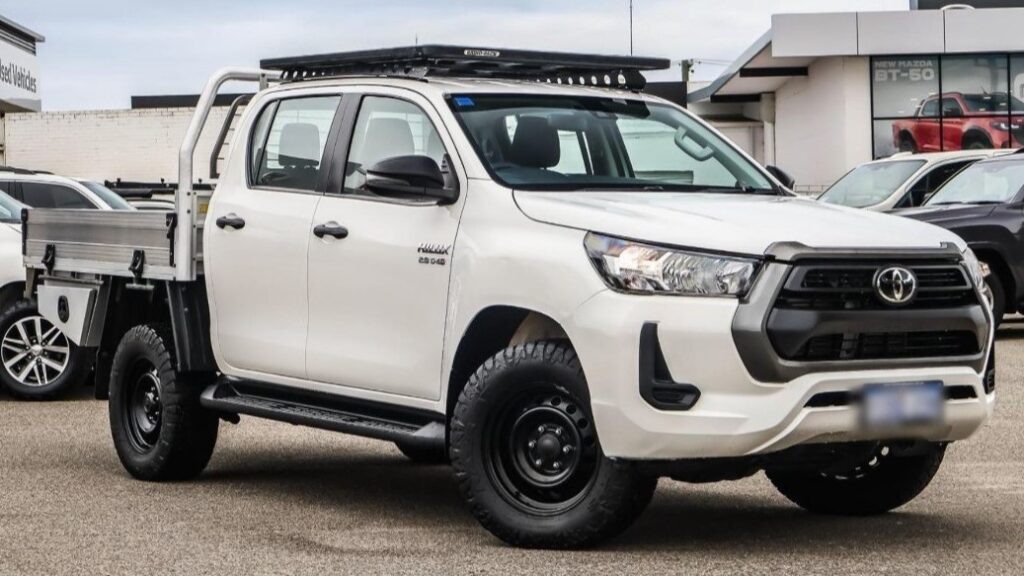
Yes. Despite a few known issues like DPF problems and timing chain wear on earlier models, the N80 HiLux is widely regarded as one of the most reliable modern dual-cab utes in Australia.
DPF-related issues are probably the most commonly discussed problem, particularly on 2015–2019 models. Fifth injector faults and airbox sealing issues are also relatively common.
The earlier 2015–2019 models were most affected. Toyota introduced updates over time, including a manual DPF burn-off function in 2019 and further refinements in later models.
Yes. The 1GD-FTV 2.8L turbo diesel is generally considered a strong and reliable engine when serviced correctly. Most major failures are linked to neglected maintenance or known ancillary issues like EGR coolers or DPF systems.
Some earlier N80 HiLux models can develop timing chain rattle due to wear in the guides or chain stretch. Catching it early usually prevents major engine damage.
The AC60 six-speed automatic is generally reliable, but heavy towing and excessive heat can shorten its lifespan. Many owners fit larger transmission coolers for extra protection.
Many buyers consider the 2020+ models the best option thanks to improved power, updated cooling, revised DPF systems and overall refinement improvements.
A high-kilometre N80 with excellent service history is often a better buy than a low-kilometre example that’s been neglected. These vehicles are known for handling high kilometres well when maintained properly.