Drive the Outback Way before it’s sealed
The Outback Way is being sealed. Here’s why now is the time to tackle Australia’s Longest Shortcut, plus what to know before you go.
Published on: 9 September 2026

Known as Australia’s Longest Shortcut, the Outback Way cuts a roughly 2,700km path through the heart of the country, linking Winton in Queensland with Laverton in Western Australia via the Northern Territory’s Red Centre. Along the way are vast desert landscapes, remote communities, red dirt roads and some of Australia’s most iconic places, including Uluṟu and Kata Tjuṯa.
But the Outback Way is changing.
Work is underway to progressively seal the route, eventually creating a fully sealed east-west connection across Central Australia. Better roads will mean safer, more reliable access for remote communities, improved freight connections and an easier journey for travellers wanting to experience this part of Australia.
For 4WDers, though, it also means the Outback Way as we know it has an expiry date.
There will come a time when crossing Australia via its famous “Longest Shortcut” no longer involves hundreds of kilometres of dirt beneath your tyres. So, if driving the Outback Way has been sitting somewhere on your 4WD bucket list, now might be the perfect time to do it.
| Route | Winton, Queensland to Laverton, Western Australia |
| Distance | Roughly 2,700km |
| States and territories | Queensland, Northern Territory and Western Australia |
| Also known as | Australia’s Longest Shortcut |
| Major roads | Kennedy Developmental Road, Donohue Highway, Stuart Highway, Lasseter Highway, Tjukaruru Road/Docker River Road and Great Central Road |
| Surface | A mix of sealed and unsealed roads, with sealing works continuing |
| How long to allow | While the route can be tackled much faster, allow 2-3 weeks to properly enjoy the journey. If you’ve got four weeks, even better. |
The Outback Way is a roughly 2,700km route linking Winton in Queensland with Laverton in Western Australia, cutting through the Northern Territory’s Red Centre along the way. Rather than being one continuous highway, the Outback Way brings together a series of existing roads to create an east-west route through the heart of Australia.
From Winton, the route heads west towards Boulia before following the Donohue Highway towards the Northern Territory border. From here, the Plenty Highway takes you towards Alice Springs, where the route briefly joins the Stuart Highway before turning west again via the Lasseter Highway towards Yulara and Uluṟu.
Beyond Yulara, the Tjukaruru Road takes you towards Docker River and the Western Australian border, where it meets the Great Central Road for the long run through the Great Victoria Desert towards Laverton.
It’s easy to see why the Outback Way has earned the nickname Australia’s Longest Shortcut. Instead of travelling around the bottom or top of the country, it provides a route straight through Australia’s vast interior, connecting Queensland, the Northern Territory and Western Australia while passing through some spectacular and incredibly remote country.
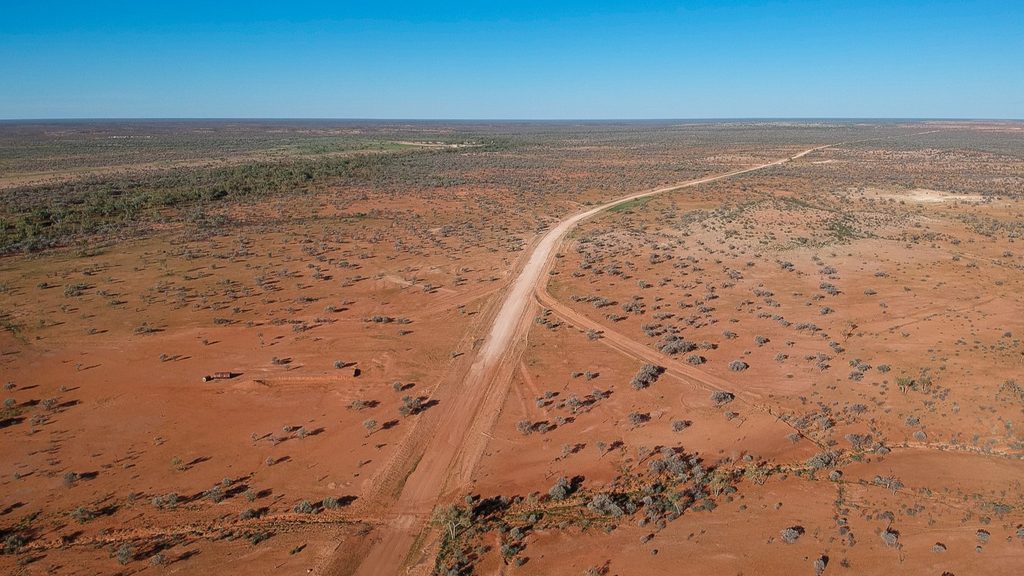
The Outback Way is progressively being sealed, with works underway across different sections of the route. Every kilometre of new bitumen makes the journey safer and more reliable, but it also changes the experience for those of us who enjoy exploring Australia’s unsealed roads.
That’s not an argument against sealing the Outback Way. Far from it.
For the people who live and work along this route, the Outback Way is much more than a 4WD adventure. Improving the road means safer and more reliable access for remote communities, better connections to essential services, more dependable freight routes and new opportunities for tourism and regional development. It will also make this extraordinary part of Australia accessible to more travellers.
That’s progress, and there are plenty of reasons to welcome it.
For 4WD travellers, however, it also creates a window of opportunity. Right now, you can still experience the Outback Way as a genuine remote-area journey, where long stretches of dirt, corrugations, dust and changing conditions are part of the adventure.
One day, you’ll be able to drive Australia’s Longest Shortcut entirely on bitumen. But if you’d rather do it with some red dirt beneath your tyres, the time to go is now.
As of September 2026, there’s still plenty of dirt left on the Outback Way, but probably not for as long as you might think.
According to the latest Outback Way sealing dashboard, around 56% of the 2,720km route is now sealed, leaving approximately 1,161km still to go. The Australian Government has committed $1.2 billion towards sealing the route, with the completed highway currently scheduled for 2032.
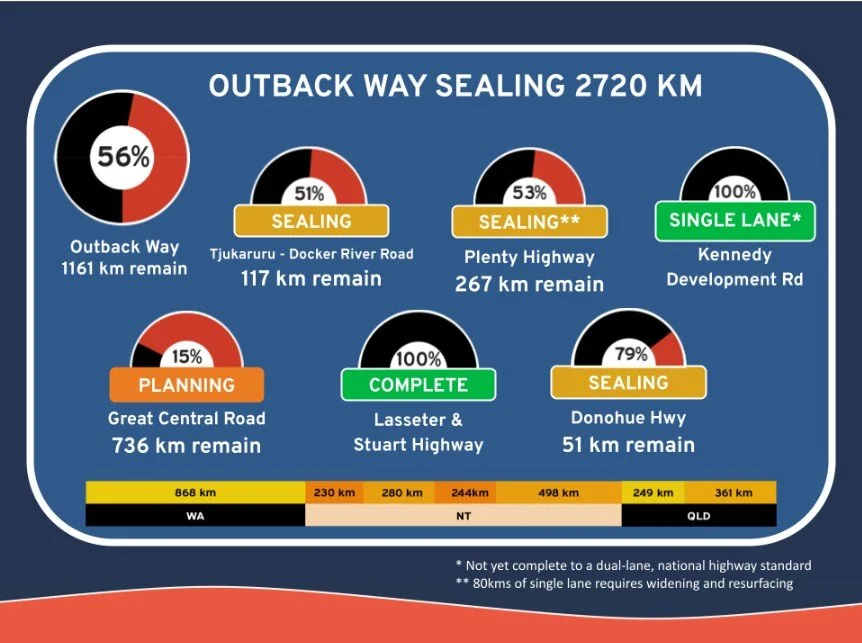
Progress varies considerably depending on where you are.
In Queensland, the Kennedy Developmental Road is now fully sealed, although much of it remains single lane and further work is needed to bring it up to the intended national highway standard. Further west, the Donohue Highway has around 51km remaining to be sealed between Boulia and the Queensland-Northern Territory border.
Cross into the Northern Territory and there’s considerably more dirt. Around 267km of the Plenty Highway remains unsealed, with sealing works continuing. The 2026 Action Plan reports work underway on a 27km section near Jervois, with a current goal is to complete the Plenty Highway sealing in 2029.
The Stuart and Lasseter highways are already fully sealed, so there’s plenty of bitumen through Alice Springs and towards Yulara (although we recommend driving the 4WD back route). But head west again and the dirt returns with around 117km of the Tjukaruru-Docker River Road remaining unsealed.
It’s Western Australia that currently accounts for the lion’s share of what’s left. The latest dashboard lists 736km of the Great Central Road as remaining to be sealed, with the project still in the planning and design phase.
The current target is to have the entire Outback Way sealed by 2032, creating Australia’s third transcontinental highway and the first east-west route through the centre of the country.
Six years might sound like plenty of time. But with sealing already underway and individual stretches of dirt disappearing progressively, sooner is definitely better than later.
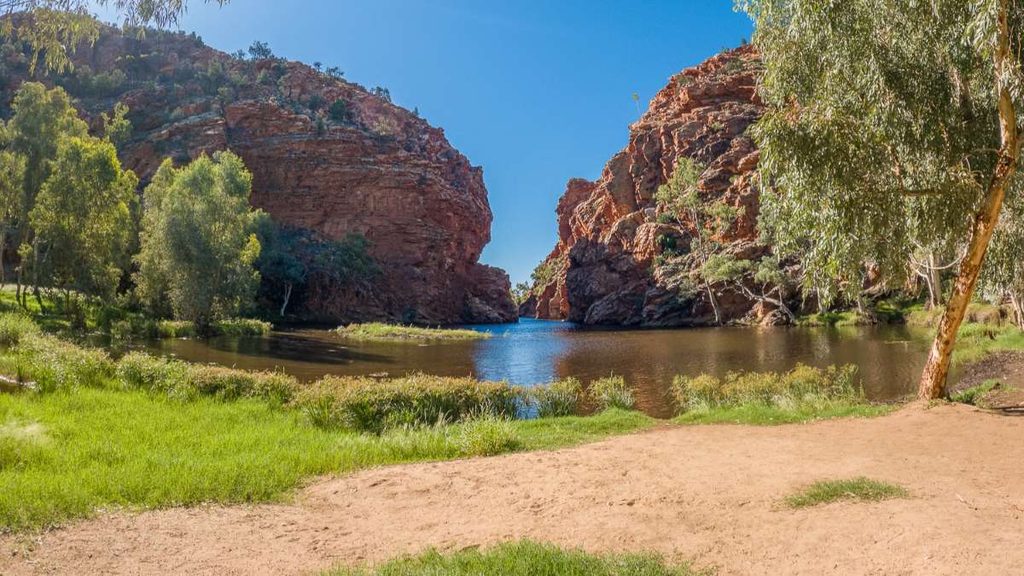
I’ve actually attempted the Outback Way twice, and despite covering much of the route, I’ve never managed to complete the entire journey from Winton to Laverton.
The first attempt was derailed by COVID border restrictions between the Northern Territory and Western Australia. The second time, it was the weather. Rain closed the road across the NT-WA border and, without enough time to wait for it to reopen, we had to change plans once again.
If anything, those two trips sum up the Outback Way rather nicely. This is a remote journey where sometimes the road, the weather or circumstances beyond your control dictate the itinerary. You need to leave some wriggle room in your plans and be prepared to wait it out, turn around or move on to Plan B.
That’s part of the adventure, but it’s also something that’s expected to change as more of the Outback Way is sealed. Improved reliability is one of the very reasons the sealing project is so important for the people who live along the route. For 4WD travellers, it’s another reason to experience the Outback Way in its current form while you still can.
Yes. Large sections remain unsealed and you’re travelling through some seriously remote country where road conditions can change quickly. A high-clearance 4WD gives you a much better margin for dealing with corrugations, rough sections and changing conditions.
Of course, the answer to this question will change as sealing progresses. One of the goals of the project is to make the Outback Way accessible to a much broader range of vehicles.
How long is a piece of string? The condition of the Outback Way can vary enormously depending on when the road was last graded, how much traffic it has seen and what the weather has been doing.
When we travelled the Plenty Highway, some of the corrugations were pretty ordinary. But our experience on one trip shouldn’t be treated as a prediction of what you’ll encounter on yours. Come prepared for bone-shaking corrugations and rough roads, adjust your tyre pressures and speed to suit the conditions, and check current road reports before setting off each day.
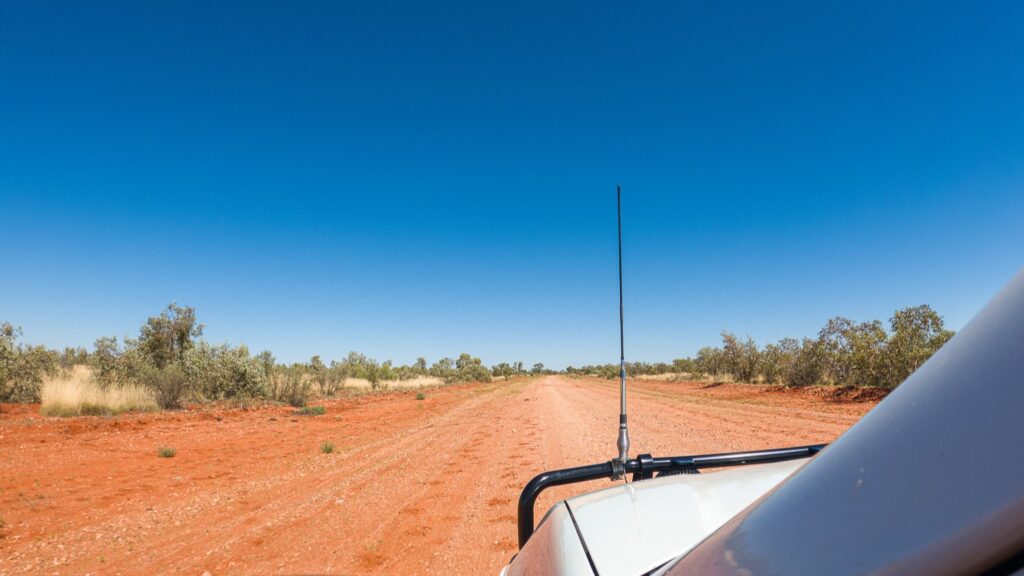
Fuel availability and operating hours along remote routes can change, so I wouldn’t plan an Outback Way trip around a list of fuel stops you found online six months ago.
Work out your vehicle’s range before you leave and plan conservatively. Personally, I’d carry additional fuel for an Outback Way road trip, or at the very least phone ahead to your next planned fuel stop to confirm fuel is available before relying on it.
This isn’t the place for us to turn a 2,700km Outback Way guide into another remote-area vehicle checklist. But don’t underestimate the preparation required just because more of the route is now sealed.
Your vehicle needs to be in good condition, your tyres need to be suitable for the roads you’re tackling and you need to have the equipment and knowledge to deal with problems when you’re a long way from help.
We’ve already covered that in much more detail here:
Don’t assume you’ll have mobile reception when you need it. Large parts of the Outback Way pass through extremely remote country, and the 2026 Outback Way Action Plan itself identifies communications blackspots and the need for improved connectivity and emergency-response infrastructure along the route.
Carry a reliable way of communicating when you’re outside mobile coverage, whether that’s a satellite phone, Starlink or another suitable satellite communication device, and make sure someone knows your plans.
Water deserves the same conservative approach. Carry enough drinking water for everyone in the vehicle plus an emergency reserve, rather than relying entirely on being able to replenish along the way. The Action Plan identifies reliable access to drinking water as one of the infrastructure issues that still needs to be addressed as the Outback Way develops.
Above all, don’t let the growing stretches of bitumen lull you into treating the Outback Way like an ordinary highway.
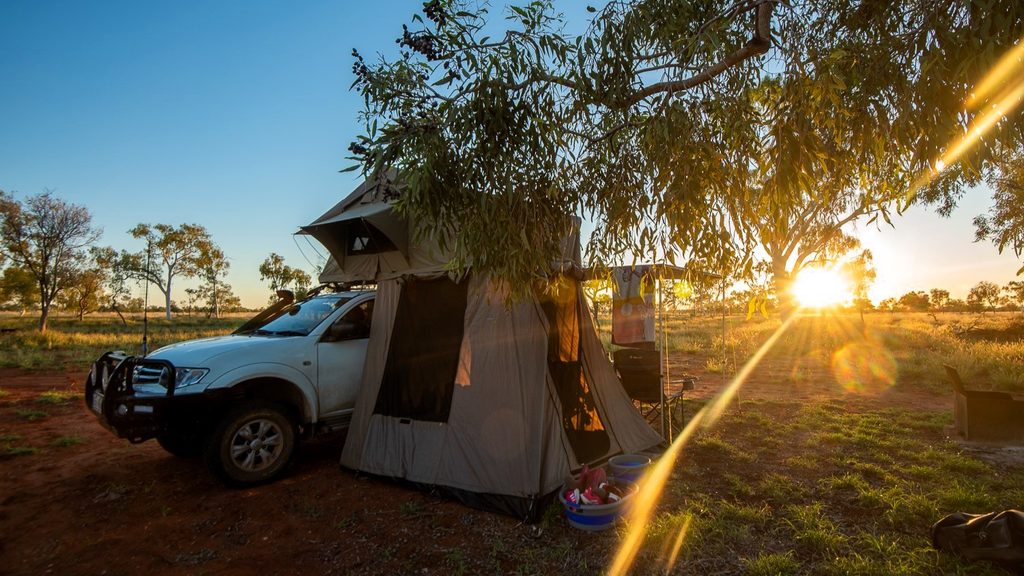
The Outback Way might be Australia’s Longest Shortcut, but that doesn’t mean you should rush it. Don’t miss these highlights worth stopping and staying longer for:
Out here, the journey really is the attraction. The Great Central Road crosses incredibly remote country through the Ngaanyatjarra Lands, with opportunities to experience Aboriginal art, culture and vast desert landscapes along the way. Remember that permits are required for travelling through Aboriginal lands, something we’ll cover further below.
More than just the eastern gateway to the Outback Way, Winton is worth a few days of its own. Dinosaur country is the big drawcard, along with the town’s links to Waltzing Matilda and classic Outback Queensland landscapes.
The last major Queensland stop before heading west along the Donohue Highway, Boulia is famous for the mysterious Min Min Light and makes a logical place to fuel up and regroup before heading into more remote country.
Don’t treat the Plenty as simply a road to Alice Springs. The drive itself is part of the experience, with huge skies, remote station country and places such as Gemtree (love this place) and Harts Range providing reasons to stop along the way.
READ NEXT >> Spotlight on the Plenty Highway – the shortcut you should take slow
Alice Springs is a natural place to restock, refuel and spend a little time off the road. It’s also a jumping-off point for exploring more of the spectacular landscapes of Central Australia if you’ve allowed enough time for a detour.
Easily one of the biggest highlights of the entire journey. Don’t drive all this way only to snap a photo of Uluṟu and move on. Allow a few days to explore Uluṟu-Kata Tjuṯa National Park properly.
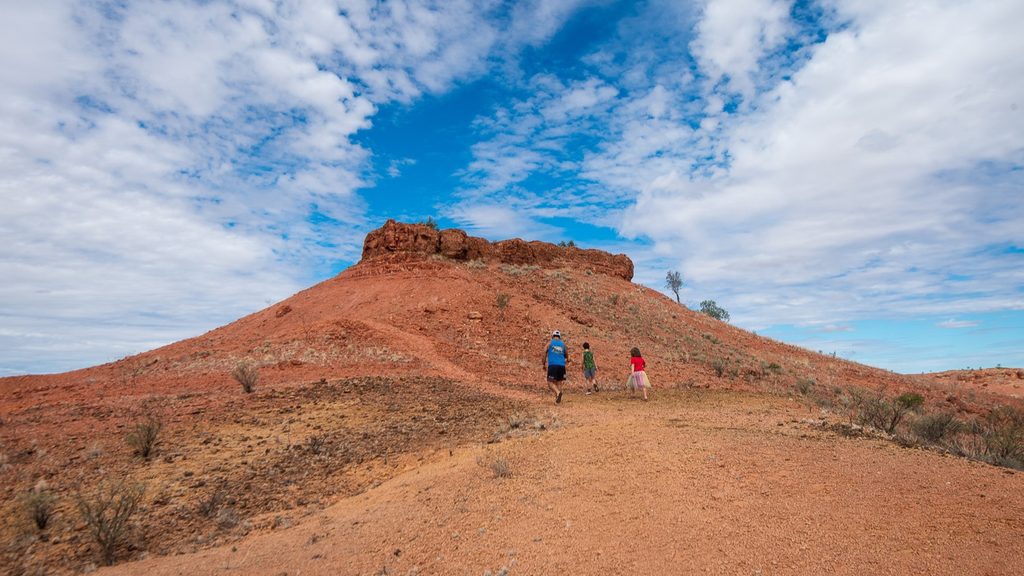
Of all the reasons not to rush the Outback Way, this is probably the biggest.
The route takes you right through the Red Centre, so it would be a shame to come all this way and treat Uluṟu and Kata Tjuṯa as little more than a quick photo stop. Allow at least a few nights to explore Uluṟu-Kata Tjuṯa National Park, giving yourself time to experience the walks, cultural experiences and those famous desert sunrises and sunsets without watching the clock.
READ NEXT >> 8 Mistakes to avoid on your first Central Australia road trip
For campers and 4WD tourers, Ayers Rock Resort Campground makes a convenient base for exploring the national park. Located at Yulara, it’s close enough to Uluṟu and Kata Tjuṯa to spend your days exploring before returning to camp, and it means you don’t need to rush one of the biggest highlights of the entire Outback Way.
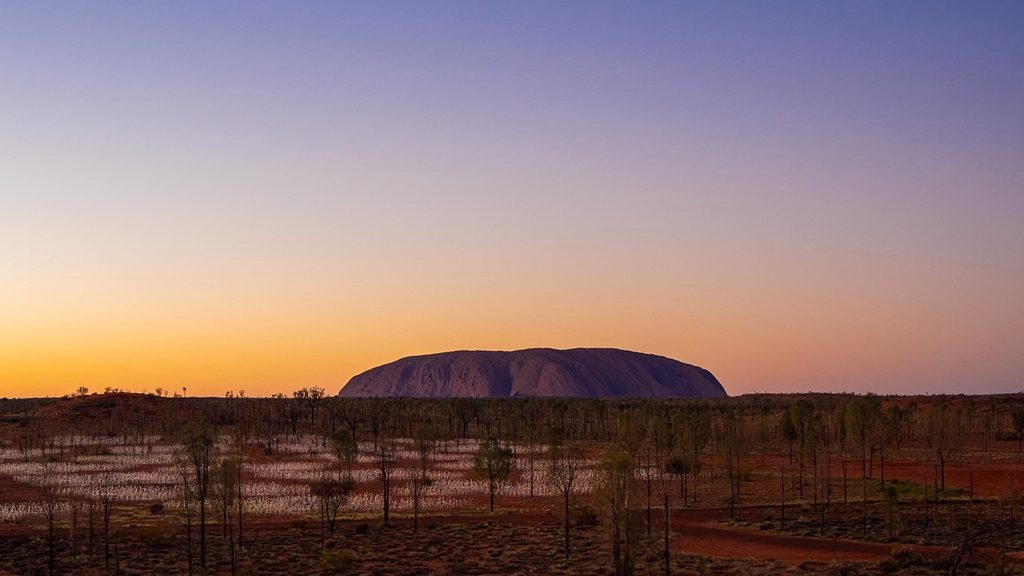
You can drive the Outback Way relatively quickly. Tourism NT, for example, has an eight-day itinerary covering the journey from Laverton to Winton. But just because you can do it in eight days doesn’t mean you should.
This is a roughly 2,700km journey through some of Australia’s most spectacular and remote country, and there’s far too much to see along the way to spend every day watching the kilometres tick over.
I’d allow at least two to three weeks, particularly if you want time to explore places like Winton, the Plenty Highway, Alice Springs, Uluṟu and Kata Tjuṯa rather than simply passing through. If you can stretch the trip to four weeks, even better. It gives you time for slower days, side trips and the occasional night where you decide somewhere is simply too good to leave the next morning.
Extra time also gives you something particularly valuable on the Outback Way: wriggle room. Road conditions can change, rain can close unsealed sections and sometimes plans simply don’t work out. Having been forced to abandon two attempts at completing the entire route myself, I’d be reluctant to tackle it again without plenty of time up my sleeve.
The Outback Way might be Australia’s Longest Shortcut, but this is one shortcut that’s better taken slowly.
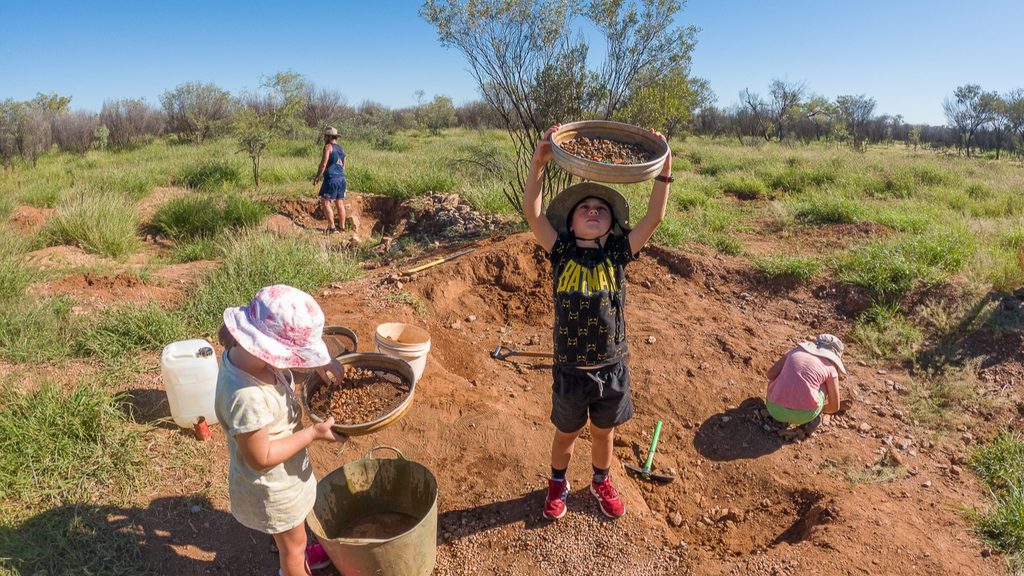

The cooler months are generally the most comfortable time to tackle the Outback Way. Summer temperatures through Central Australia can be brutal, and in the warmer months the flies can become almost as challenging as the heat.
I’ve travelled sections of the Outback Way in both autumn and spring and found the conditions comfortable enough on both trips, although the flies were noticeably worse in spring. If you’ve spent any time in the Outback when they’re out in force, you’ll know just how quickly they can test your patience.
Whatever time of year you travel, keep an eye on the weather. Rain can close unsealed sections of the Outback Way surprisingly quickly, and roads may remain closed after the rain has stopped. I learned that firsthand when our second attempt at completing the route was cut short by a road closure at the NT-WA border.
Check current road conditions before setting off each day and, as we’ve already mentioned, build some flexibility into your itinerary. Out here, the weather sometimes gets the final say.
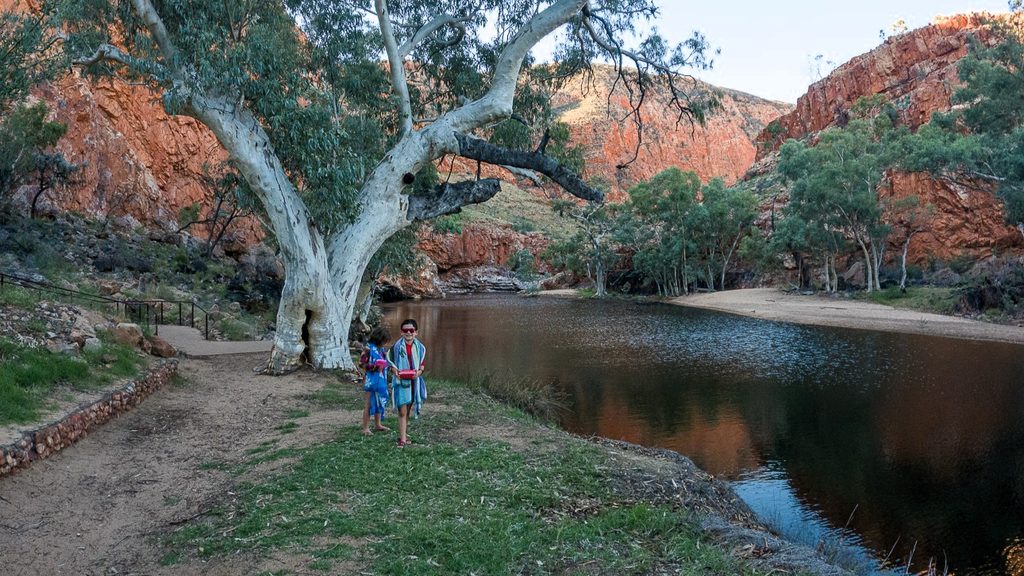
There’s a little more planning involved in driving the Outback Way than simply loading the 4WD and pointing it west (or east).
Most importantly, you’ll need permits to travel through Aboriginal land on sections of the route between Laverton and Yulara. This includes the Great Central Road and Tjukaruru Road. Aboriginal land is private land, and the permit system helps protect Aboriginal culture, heritage and the environment, while also making sure travellers understand their responsibilities when passing through Country.
Different permits apply to different sections of the route, including permits through the Ngaanyatjarra Lands in Western Australia and a Central Land Council transit permit for Tjukaruru Road in the Northern Territory. Sort these out before you leave rather than waiting until you’re standing beside the 4WD looking for phone reception. The Outback Way also advises that some permit systems don’t work properly on mobile devices, so applying from a computer or laptop is a good idea.
Road conditions are another thing you need to keep checking as you travel. Conditions can change quickly with traffic and weather, and with the Outback Way stretching across three jurisdictions, there’s no single road report covering the entire journey. The official Outback Way website links to the relevant Queensland, Northern Territory and Western Australian road-condition services, so bookmark them before you leave.
And don’t assume that because a road was open yesterday, it’ll still be open tomorrow. As I discovered on our second attempt at completing the Outback Way, a bit of rain can completely change your plans out here.
Before you go: Check the latest Outback Way permit, fuel and road-condition information
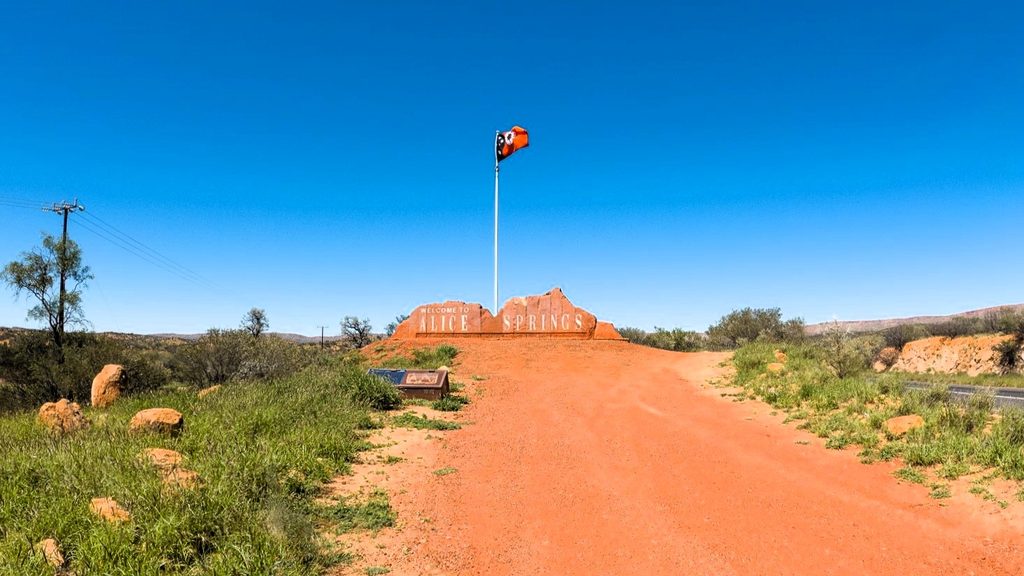
If you’re towing, what you’re towing matters. A standard on-road caravan isn’t something you should take along the off-road sections of the Outback Way. Corrugations, rough surfaces and changing road conditions can be hard on caravans that simply aren’t designed for sustained travel on roads like these.
A proper off-road caravan may be suitable, provided both the van and tow vehicle are genuinely set up for remote-area travel and current road conditions are appropriate. The same applies to camper trailers. A well-built off-road camper trailer should be right at home on this sort of trip, but that doesn’t mean you can ignore tyre pressures, speed, weight distribution or preparation.
And when we say off-road, we mean genuinely off-road capable, not simply a standard caravan with a bit of extra clearance and an adventurous sticker on the side.
Whatever you’re towing, check current road conditions before setting out and be prepared to change your plans. Corrugations can vary enormously, rain can close sections completely and conditions that were manageable for one traveller a few weeks ago may be very different when you arrive.
As more of the Outback Way is sealed, towing the route will inevitably become accessible to a much wider range of caravans. For now, though, this is one trip where you want the right equipment for the road beneath you.
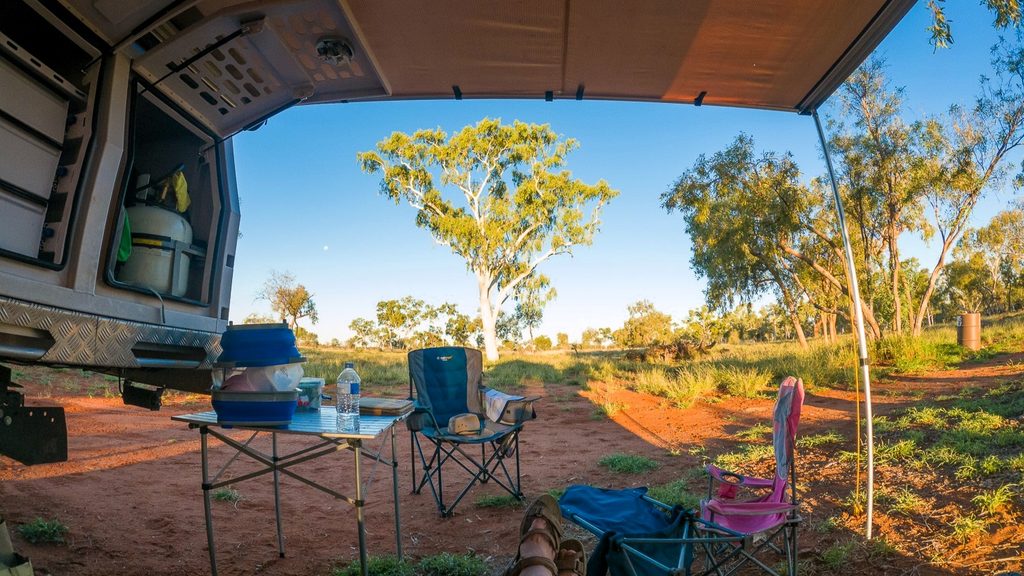
There’s no question that sealing the Outback Way is good news. It will make travel safer and more reliable, improve connections for remote communities and freight, and make this extraordinary part of Australia accessible to more people.
But for those of us who love travelling Australia’s unsealed roads, there’s also something pretty special about experiencing the Outback Way as it is right now.
The corrugations, the dust, the changing road conditions and even the occasional need to throw your carefully planned itinerary out the window are all part of what makes crossing the country this way feel like a genuine adventure.
There will come a day when you can point the bonnet west at Winton and keep it on bitumen all the way to Laverton. But if you’ve always dreamed of tackling Australia’s Longest Shortcut with some red dirt beneath your tyres, I wouldn’t wait too much longer.