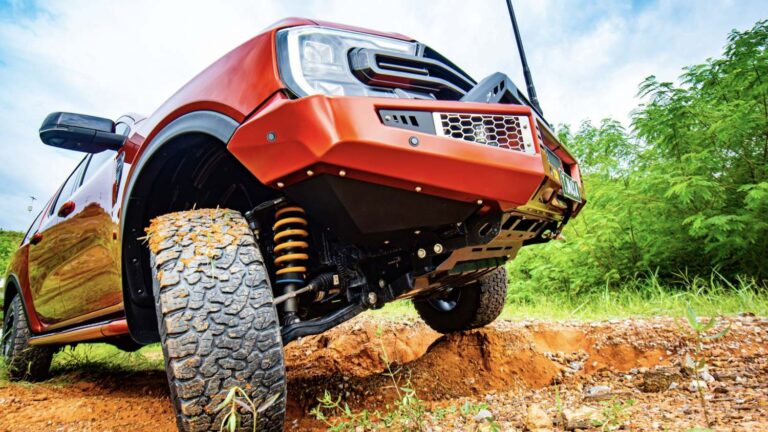
Next-Gen Ford Ranger problems: Common issues and how to fix them
Thinking of buying a Next-Gen Ford Ranger? Here are the most common Next-Gen Ford Ranger problems, faults and fixes owners should know about.
Published on: 12 May 2026

The Ranger is the best-selling ute on the market, tipping the mighty HiLux into second place with their previous PXIII model. And to be fair, it’s not that difficult to see why. They have an engine that puts out proper power, they look cooler (subjective, but the numbers don’t lie), and the interior basically makes it a Bentley with a tray. All things the Luxy has lacked for a long time now.
Rangers are better than average off-road, too. They have more mods and accessories available for them than anything this side of a GU Patrol or LC70, and the fitment of up to 35-in rubber is simply a matter of throwing money at it until they don’t rub anymore.
They tow, they tour, they daily drive at a high level, and they make a great platform to build a capable, powerful and comfy weapon of an all-rounder.
However, they’re not without their problems. They’re hardly plagued with issues, but they do have a couple of significant niggles that will need attention. To keep you from being caught out with your next Ranger purchase, we caught up with Shannon from Just Autos in Western Sydney to find out exactly what goes wrong with the Rangers and how to keep yours in tip-top condition.
Look, we’d love to mention problems and fixes for the Rangers based on specific models, but with about four billion different variants in the range, it makes little sense to do so. Instead, we’ll focus on the three powerplant options unless otherwise stated.
The first, the four-cylinder 2.4L twin-turbo diesel is a well-known thing and a carry-over from the previous PX3 Ranger. Bizarrely, it makes slightly less power in the Next-Gens, which is a fairly solid indicator that either the emissions restrictions were tightened up between models or Ford knew there was a problem. Either way, the four-banger pumps out a reported 154kW and 500NM, which are hardly shit numbers, but nor do they set the world alight.
The “Lion” 3.0L V6 turbo-dizzle is the pick for serious off-roaders. 184 kW and 600 Nm make it one of the best-performing diesel engines among mid-size dual-cabs, second only in performance to the VW Amarok, which uses the same engine with a slightly more aggressive tune. The Lion ain’t exactly new. It’s been around for two decades, working its way up to a princely 2993cc from 2.7L, it’s seen service in Ford Territories, various Land Rovers (making 225kW and 700NM in the Discovery 5), Jaguars, Citroens and Peugeots. It’s been around the block.
Finally, there’s the Plug-in Hybrid Electric Vehicle (PHEV) option, which has half the electric range, less power and costs more than a BYD Shark, but whatever. The ICE component of it is a 2.3L turbocharged four-cylinder petrol, which, combined with the electric motor, delivers 207kW and 693NM. Sounds impressive, but there are caveats.
Whichever flavour you choose will be your call, but when buying a Ranger, you have the resale, capability and tough-point balls in your court, so it’s difficult to give an indicator on which one is “the best.” For us, the V6, hands down. But we’re simple like that.
Nevertheless, despite its best-seller status and being one of the better-looking utes on the market, the Ranger, like all modern turbo-diesels, is not without its pitfalls and tribulations. From the usual emissions-systems nonsense to more specific issues, there are a few things to be aware of before pulling the trigger.
Diesel emissions systems blow. This isn’t a Ranger-only problem; it’s a modern turbo-diesel problem that’s evident across the board, regardless of make or model. In a nutshell, emissions equipment, particularly exhaust gas recirculation (EGR) and diesel particulate filter (DPF) systems are essentially designed to fail, and in a perfect world should never have been put on any engine. But they were and have been royally ‘word-that-rhymes-with-ducking’ engines ever since.
Yes, they work well under specific circumstances, but when the vehicle is used or driven outside of those circumstances, they tend to cause no end of headaches. DPFs no longer regenerate or burn properly, and EGRs clog up intakes with carbon contaminants. They’re basically the one strawberry in the punnet that’s gross and ruins what should be a good thing. Modern diesels are powerful, reliable and efficient. EGRs and DPFs take a bat to all of those things.
Excessive smoke, check engine lights (CEL), any number of other lights making your dash look like Kings Cross in the 80s, limp mode, lousy fuel economy, loss of power, and a crippling draining of your wallet and sense of justice.
As the name implies, EGRs force exhaust gases back through your intake manifold to get burnt up for a second time. This is all well and good until the carbon deposits build up enough to seriously impede air flow, forcing your engine to work harder. Think of it like trying to jog while breathing through a straw. Not cool.
DPFs work great when the vehicle is regularly taken on highway runs for upwards of an hour at a time. If the vehicle is regularly used for quick trips to the shops and running around town, you know, like a vehicle should be able to be used, they often become problematic as they are unable to burn off the deposits that have accumulated in the filter. Also, they’re a filter, and as a filter, they have a shelf-life. This would be fine, but this filter costs north of two gorillas to replace. Which is horseshit.
All emissions systems and hardware are legal requirements, although many mechanics and owners would argue that systems like DPFs and EGRs can create long-term reliability headaches once they begin to fail.
You could have them removed and tuned out of your factory ECU, gaining power, torque, fuel economy and a cleaner burn in one go, but that would be illegal, so let’s not worry about that either.
Basically, to keep your EGR happy, you should remove your intake manifold every 60,000-ish kilometres and give it a thorough cleaning. For DPFs, take your rig for a run up the highway every week or two. Both will make them last longer, but they will still likely fail eventually.
No, not really, despite me making them sound like the world’s worst thing. They’re really not, but the mechanic in me says they should never have been invented. The realist in me says they’re a necessary evil these days. Keeping your vehicle well-driven and regularly serviced is the key to longevity here.
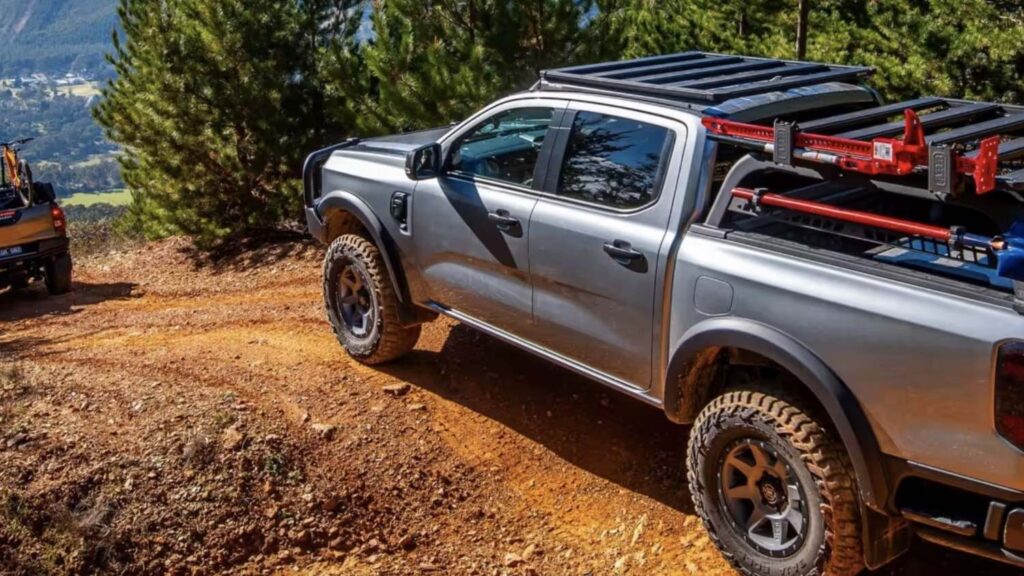
The drain line from the turbo back to the block on the V6 models is known for leaking. Many folks have had their Rangers pull an Exxon Valdez after only a few thousand km from new. The problem is reportedly that it’s a hard line, and engine vibrations simply cause it to fatigue and break, leaving you with an oil warning light on the dash and a mess on the driveway.
It’s usually first noticed when the oil light on the dash pops up and there’s a steady drip of dead dinosaur juice ruining your driveway. If it’s ignored, catastrophic engine failure is a matter of when, not if.
There’s currently no “official” cause for the issue, but the speculation is that the hard line is subject to normal engine vibrations, causing the metal to fatigue and crack.
It’s a well-known warranty issue and Ford should have no dramas replacing it for you free of charge. Some people have gone to the trouble and expense of having hydraulic fittings welded in place and a hydraulic hose made up to suit, which will guarantee it won’t happen again, but it’s a bit ordinary to have to do that on an $80K vehicle.
As long as you catch it and don’t continue to drive with the line leaking, there’s minimal danger for you or your engine. Just have the dealer replace it ASAP, or look into getting a custom hydraulic line made up. Regular inspections of the line are also a great idea, as there’s a good chance you’ll catch it at the “weeping” stage rather than the “we got a bleeder!” stage.
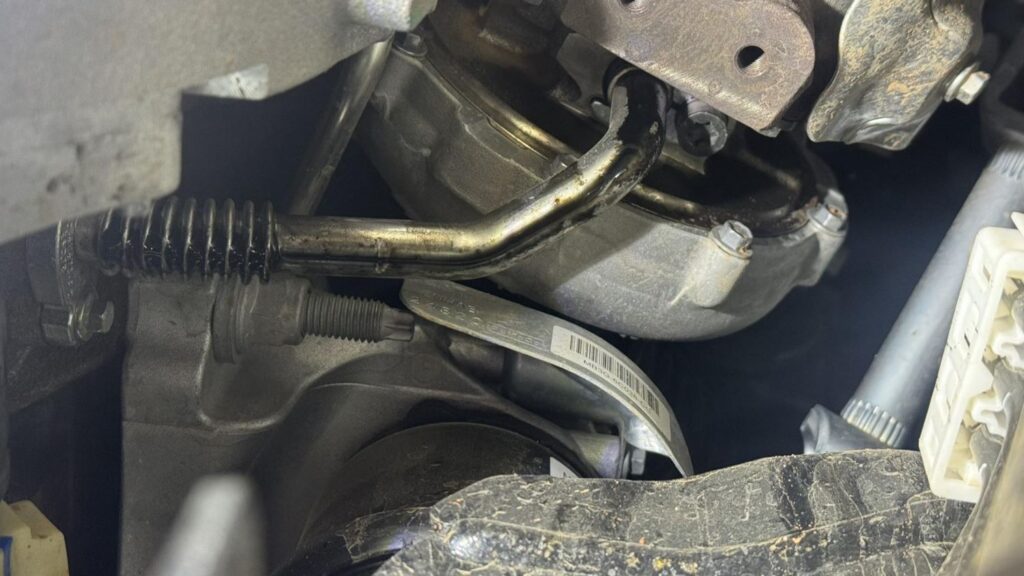
You’re driving your V6 along and get a Check Engine Light (CEL) on the dash. You or your mechanic scan the code, and it comes up as a glow plug fault. You’re not alone. A bunch of Next Gen owners have been there, done that and got the T-shirt. It’s a well-known issue and you need to book in with your service centre as soon as you can.
CELs are the common one, we’ve heard of several vehicles going into limp mode, but this seems to be fairly uncommon. Ford initially said that it was fine to keep driving with the code active, but has since said that the vehicle should not be driven once the fault has occurred.
The glow plugs for the V6S are produced in batches, and there seem to have been a few bad ones that have slipped through. Some owners have also reported problems with the harnesses, but there’s usually at least one plug that throws a code.
Ford will try and replace the faulty plug for you, but it’s important that you insist they replace all 6. They should also do it under warranty.
There’s not a lot you can do about it, so no. When/if it happens, just make sure they’re all replaced and cross your fingers that it won’t happen again (it has, but rarely). Driving the vehicle is not advised, but if only one plug is faulty, there should be minimal danger to driving it in a pinch. Still best to get it sorted sooner rather than later.
Some of the early 2022-ish models had reports of driveline shudder at various speeds. Ford was made aware, and this should have been fixed by now in pretty much every second-hand Ranger and all new ones. It is worth including on the list, however, as it’s a known issue and there’s a chance there are still a few owners out there not knowing they can get it fixed for free under warranty/recall.
There doesn’t seem to be a specific speed or driving condition that the tailshaft would shudder in, but the rear ones would vibrate pretty harshly as and when they felt like it.
A third-party supplier was responsible for providing the tailshafts to Ford Australia. Unfortunately, they had a few issues, which led Ford to change suppliers. Boom. Problem solved.
This should already have been done under recall, but on the off chance it hasn’t, give your nearest dealership a call and book in to have the tailshaft swapped over to an upgraded one. Shouldn’t cost you anything but time.
Nope. Just get it fixed (for free) and kiss the sky.
The four-banger models run what’s called a wet belt (actually two of them). This is when the timing belt runs at its lowest point through the engine’s sump, bathing it in oil. Basically, it does so to cut down on road noise, which is right up there on manufacturers’ priority lists these days. The fact that most people who buy a 4WD ute for work would reasonably expect a little more road noise over their European saloon doesn’t seem to factor in. There’s also a second, smaller belt that runs the oil pump, which is subject to the same dangers.
The oil basically causes drama with the belt rubber, degrading it relatively quickly, causing it to let go and play merry havoc with your timing, valves, pistons and anything else that sounds expensive. The belt degrades and sheds small pieces of rubber. These clog your oil pick-up and before you know it, you’re looking down the barrel of an engine rebuild.
Unfortunately, you won’t likely get a lot of warning before the dreaded clank-clank-bang. Best bet is to keep on top of your service schedule and realise that Ford outlines the service intervals based on ideal driving circumstances. Regular towing, heavy loads, or off-road driving should significantly shorten those intervals.
The design of the engine, unfortunately. While wet belts are not inherently bad, putting one into a rig that’s conceivably going to tow and lug heavy gear around and generally just put the engine under increased load is not the coolest idea. You can just imagine the boardroom meeting where the sales team were saying how nice it would be to sell such a quiet engine to the people who want a dual-cab for posing, while the engineering team were tearing their hair out and asking themselves what’s the worst that could happen if they put one of the sales reps through the window.
LS swap the world. Wait, what? We’re not doing that? Fair enough. Regular servicing (10,000km intervals) with fresh oil and way more frequent belt changes is the go.
Remember those anti-terrorism ads from the early naughties that told you to “be aware, not alarmed”? The same goes here. Regular servicing and belt inspections are key. Especially the smaller oil pump belt, which is a pain to change.
Changing the timing belt out was initially set at 260,000km/10 years, which was ridiculous. Ford has since updated it to 160,000km/6 years, but doing it every 100,000km (including idlers) is probably better, especially for a 4X4 that gets pushed hard.
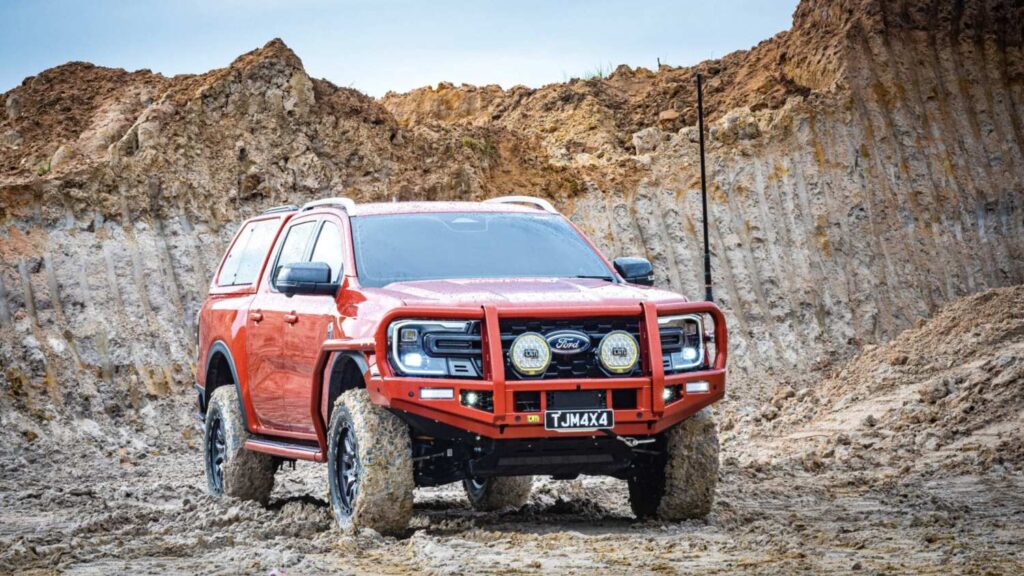
They’re a bit under-sprung for a work vehicle. What does that mean? Well, in the quest to get vehicles to drive nicely on the road, manufacturers dial in a spring rate that they think will suit the majority of people. Unfortunately, Ford thinks that most Ranger owners don’t carry tools or tow heavy because they’re nice and comfy when empty, but throw a bullbar and winch up front and a few hundred kilos of concrete in the back and things begin looking saggier than Donald Trump’s neck.
When your Ranger is heavily laden, you’ll probably notice the steering gets a bit lighter and a little more vague. The suspension tends to bottom out over bumps without too much effort, and the whole show tends to wallow around corners like a drunk hippo rather than surgically incise the racing line like a cheetah on Adderall.
The stock spring rates and shock valving are dialled for comfort rather than all-out load carrying. This may not make a lot of sense for a work vehicle, but just like most 4X4s never see dirt, many Rangers will never see anything beyond the kids’ bikes and soccer gear in the back.
There are plenty of options here. A more load-oriented set of leaf springs out back, and some heavy-duty shocks can have your suspension nicely dialled in to the loads it’ll see. The same goes for the struts up front. If you run around empty most of the time but want to be able to still tow the Taj Ma Caravan up the coast every couple of weeks, then look into a set of airbags, which offer a variable spring rate that can be dialled in to suit specific loads.
If your Ranger spends more time towing a caravan or hauling gear than cruising empty to Bunnings, it might be worth booking in for a free suspension check with Fulcrum Suspensions. They also offer GVM and towing assessments to help work out whether your setup is actually matched to the loads you’re throwing at it.
Only if you’re regularly carting north of 500kgs of gear every day or towing over 2500kg on the regular. The stock suspension is fine, but heavy-duty use will see its wear and tear increase at a heavy-duty rate.
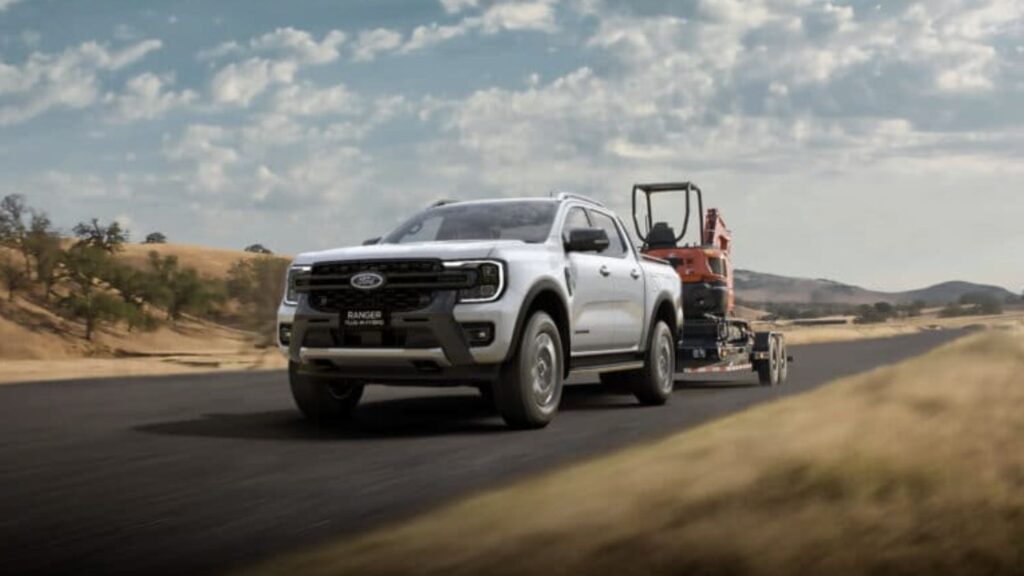
The Next Gen’s intercooler is not exactly something to brag about in the prison showers. It’s stuck just below the radiator, is not great for high-load applications (especially with a front bar added, which blocks most of the airflow to it), and is, frankly, a little small. As anyone with a degree in thermodynamics will tell you, hot air is less dense than cool air and feeding hot air from the turbo through an intercooler that can’t do much to actually cool it is not ideal for making power.
Heavy hauling, towing big boats or vans, or even high engine-load applications like beach driving can overwhelm it in short order.
As intake temps creep up, so do engine temps, and all that beautiful air you’re shoving into the combustion chamber is actually getting less dense the hotter it becomes, and power production suffers. You use more fuel, you run hotter, and your engine is generally just not living its best life.
The positioning and size of the stock intercooler are not ideal for a heavy-duty workload. As such, it becomes a heat sink when demands are placed on it, and yeah, things escalate quickly from there. And not in a good way.
Just Autos do an upgraded intercooler kit that’s larger and receives more air flow, even with a front bar. They also allow for more power to be made and generally just keep both the hot and cold sides of the intake system much happier. An intercooler upgrade should really be seen as a must-have for heavy-duty rigs, people chasing more power, or those just wanting to keep their engine happy while off-road.
Not if your vehicle is stock and only used for light to medium duties, no. But given you’re reading Unsealed4X4, you probably like driving off-road, are planning on or already have fitted a front bar and think beach driving is the bee’s knees. So, while worrying is not necessarily the thing to do, you can’t overcool your intake temps. Plus, having a larger one is fun to talk about around a campfire. Er, a larger intercooler that is.
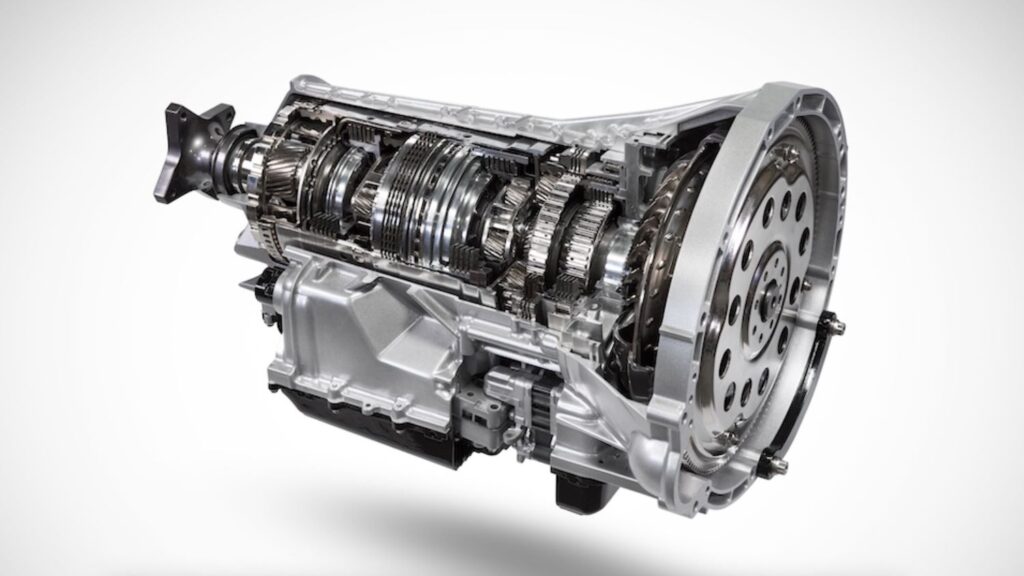
The 10R80 10-speed transmission is currently the subject of a class action lawsuit in America (in the F150, but the same one is used in the Ranger twin-turbo 4s and V6 models). The issues are well-documented and numerous. Valve bodies, clutch discs, torque converters, shift solenoids, drum assembly bushes and a bunch of other things have been known to fail at spectacularly low km.
Issues can manifest in multiple ways, but some of the common ones are a flare in revs between 3rd and 4th; a torque converter lock-up shudder at mid to highway speeds; park-to-drive a hard shift or a delayed shift, and consistently high transmission temperatures without an obvious reason are solid signs your box is on the way out.
The 10R80 was never really built to be a premium transmission. It was built to be an emissions-friendly, high-volume, economical gearbox that’d do the job. Unfortunately, it falls a little short. Keep in mind they’re not a bad thing on a stock vehicle used lightly, but once you start adding more weight, bigger rubber and towing, you’re accelerating the wear and tear.
The big one is regular servicing. Every 50,000km is the unofficial recommendation and more often if you’re towing heavy or driving it like you stole it. From there, a large aftermarket cooler is a must, and if you want to do it once and do it right, there are a heap of upgrades, like torque converters and valve bodies, available that can turn it into an absolute weapon.
Other than regular servicing, not really, no. Even less if you use your vehicle as a runaround and don’t ask too much from it. For the modifiers, regular wheelers and heavy towers, a cooler and valve body upgrade is probably money well spent. Personally, I’d wait until after the warranty before investing too much into it, though.
Despite the issues we’ve covered above, the Next-Gen Ford Ranger is still one of the better dual-cab utes on the Australian market overall. They’re comfortable, capable off-road, tow well and have one of the best interiors in the segment. There’s a reason they’ve become so popular with tradies, tourers and weekend warriors alike.
The important thing to understand is that most of the common Next-Gen Ranger problems aren’t necessarily unique to Ford. DPF dramas, EGR build-up and transmission stress are becoming increasingly common across modern turbo-diesel utes thanks to stricter emissions systems and the fact that many of these vehicles are now expected to tow heavier loads than ever before.
The V6 models, in particular, are proving to be strong performers when properly maintained, although issues such as turbo oil line leaks and glow plug faults are worth keeping an eye on. Meanwhile, the 2.0L bi-turbo models require extra attention around wet belt servicing and maintenance intervals.
Like most modern 4WDs, the Ranger responds well to preventative maintenance. Regular servicing, sensible modifications and keeping temperatures under control when towing or off-roading go a long way toward long-term reliability.
In short? No, the Next-Gen Ranger isn’t perfect. But neither is anything else in this category. Stay on top of maintenance and most owners are unlikely to experience major dramas.
Thinking about buying a used Next-Gen Ranger? There are a few things worth checking before handing over your hard-earned.
This is the big one. A properly serviced Ranger is usually a much happier Ranger. Look for evidence of regular oil changes, transmission servicing and scheduled maintenance. If the owner has stretched service intervals while towing or touring heavily, walk away.
On V6 models, inspect underneath the vehicle and around the turbo area for signs of oil leaks or residue. If the turbo oil drain line has already been replaced under warranty, that’s actually a positive sign.
The 10-speed transmission should shift relatively smoothly. Harsh shifting, flaring between gears, shuddering under light throttle or delayed engagement when selecting Drive can all point toward transmission issues.
There’s a big difference between a Ranger used for occasional camping trips and one that’s spent its life towing a 3.5-tonne caravan around Australia. Heavy towing, oversized tyres and aggressive tunes can significantly accelerate wear and tear.
If the vehicle has mainly been used for short trips around town, the DPF system may already be unhappy. Poor fuel economy, warning lights or frequent regenerations can all be signs of future headaches.
Many Rangers end up carrying a heap of accessories. Bullbars, winches, drawers, rooftop tents and towing setups all add weight quickly. Check for sagging suspension, uneven ride height or cheap lift kits that may have been fitted purely for looks.
If the vehicle has been set up for towing or touring, upgrades like a larger intercooler or transmission cooler are generally a good sign. They suggest the owner has thought about long-term reliability rather than just bolting on accessories.
The Next-Gen Ford Ranger didn’t become Australia’s best-selling ute by accident. They’re comfortable, genuinely capable off-road, tow extremely well and have one of the best cabins in the dual-cab market. Whether you’re using one as a work ute, touring rig or daily driver, they’re a seriously impressive package overall.
But like every modern 4WD, they’re not immune to problems.
The good news is that most of the common Next-Gen Ranger issues are either manageable, preventable or already well-known within the industry. Staying on top of servicing, keeping an eye on known weak points and being realistic about towing and load limits makes a huge difference.
For buyers choosing between the engines, the V6 remains the pick if you tow regularly or want effortless performance, while the 2.0L bi-turbo can still be a solid option, provided you understand the maintenance requirements around the wet belt system.
At the end of the day, the Ranger remains one of the best all-round dual-cabs on the market. Just don’t fall into the trap of thinking modern utes are maintenance-free appliances. Treat them properly and they’ll generally look after you in return.
Some of the most commonly reported Next-Gen Ford Ranger problems include DPF issues, V6 turbo oil line leaks, glow plug faults, wet belt concerns on 2.0L models and 10-speed transmission issues.
The 3.0L V6 is generally regarded as a strong engine, but some owners have reported turbo oil line leaks and glow plug faults. Most issues are repairable under warranty if caught early.
Yes. The 2.0L bi-turbo diesel models use a wet timing belt system, including a separate oil pump belt. Regular servicing and sensible replacement intervals are important for long-term reliability.
Some owners have reported issues with the 10-speed automatic transmission, including harsh shifting, shuddering and delayed gear engagement. Regular servicing becomes especially important on vehicles used for towing or off-roading.
Overall, yes. The Ranger is one of the better towing utes on the market, particularly in V6 form. However, vehicles used for heavy towing benefit from more frequent servicing and cooling upgrades.
A well-maintained Next-Gen Ranger can be an excellent used buy. Focus on service history, transmission behaviour, signs of heavy towing use and whether known issues have already been addressed.