Discover the most common Ford Everest problems and fixes, including wet belt failures, transmission faults, EGR issues and reliability concerns before you buy.
It’s been said before and I’m going to say it again. The Everest is the 4X4 that many Ranger owners should have bought. I’m talking the Ranger owners who don’t carry tools or really require a ute-tub or need to tow 3.5T (the new models can do that anyway, not that you should because physics is a cruel mistress).
The Everests are comfier, have more interior space, have much better rear suspension and are just nicer to live with as an all-rounder. Sorry, Ranger faithful, but you’d be better off with the wagon. I promise you can still rock that Salt Life sticker and tailgate people needlessly… just kidding, please don’t come for me in the comments.
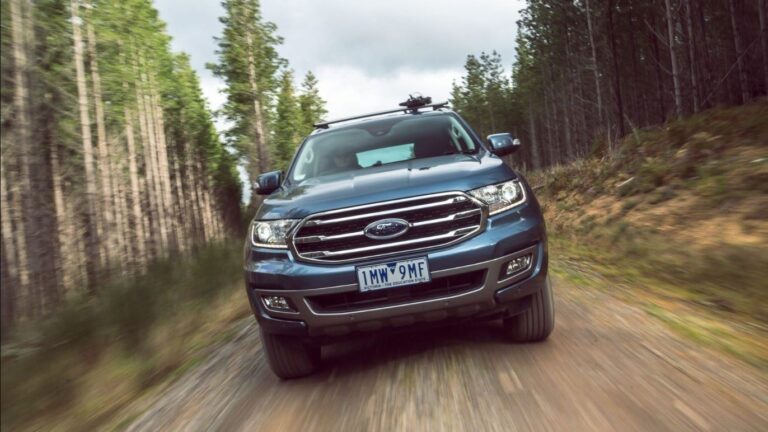
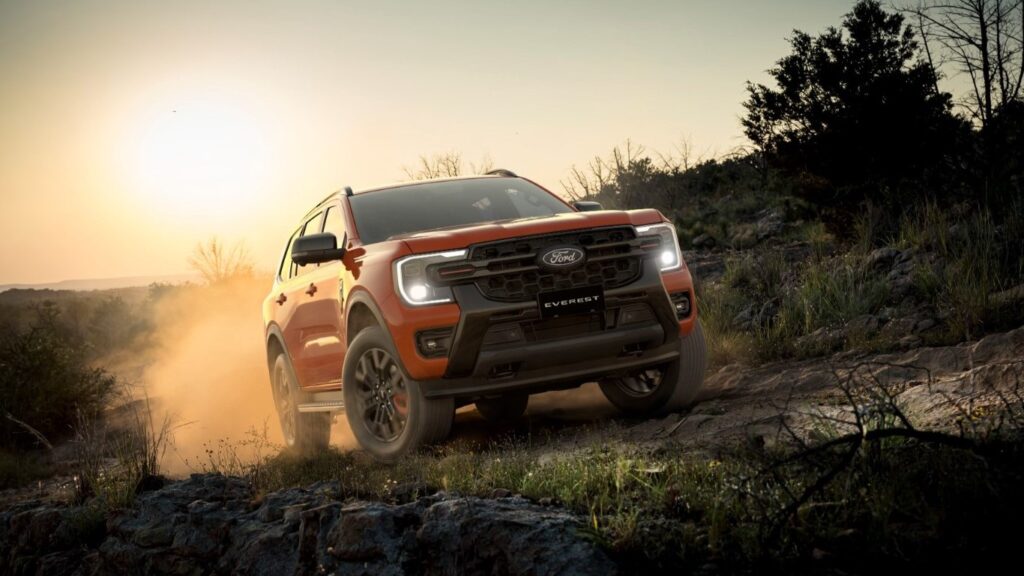
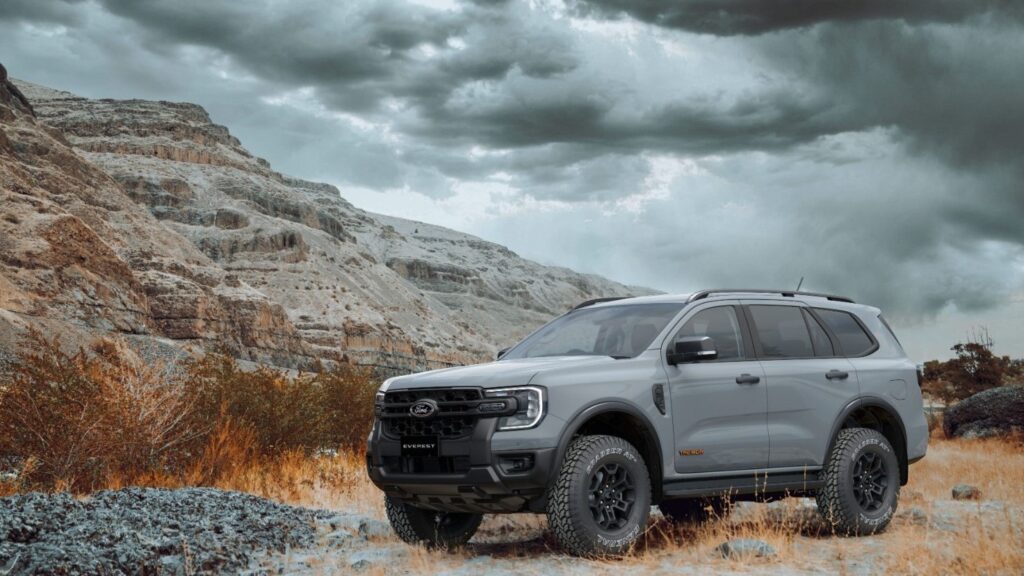
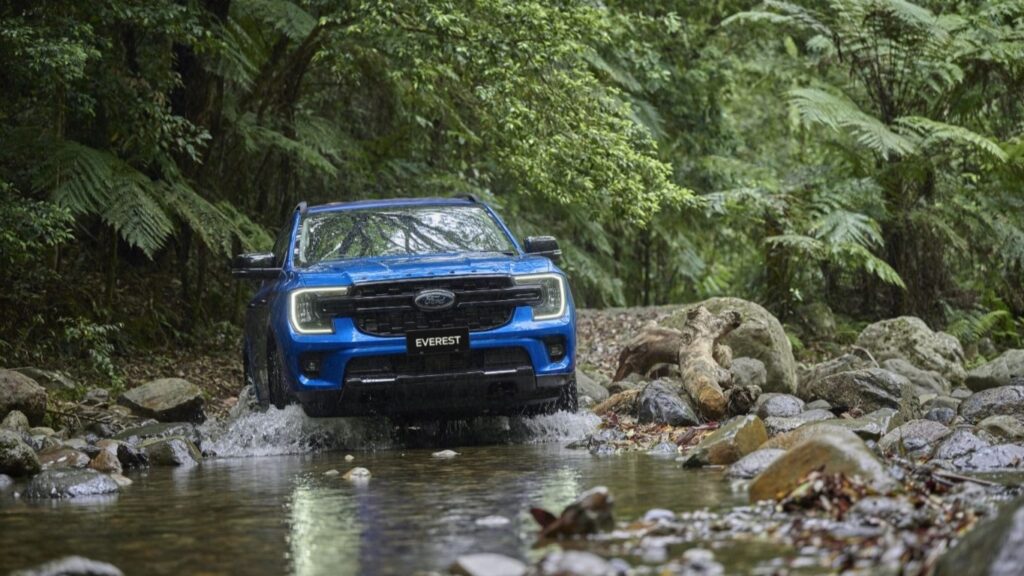
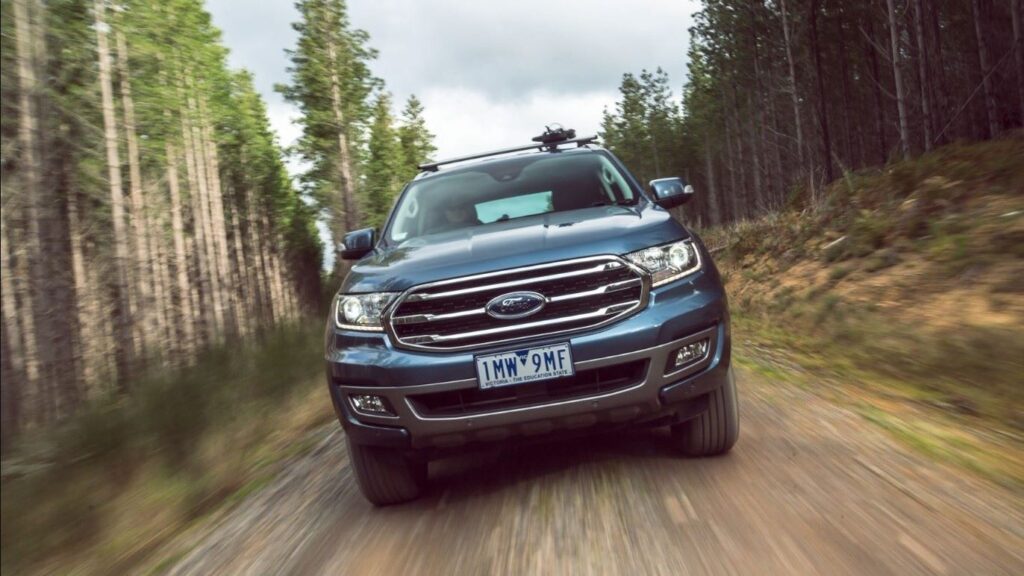
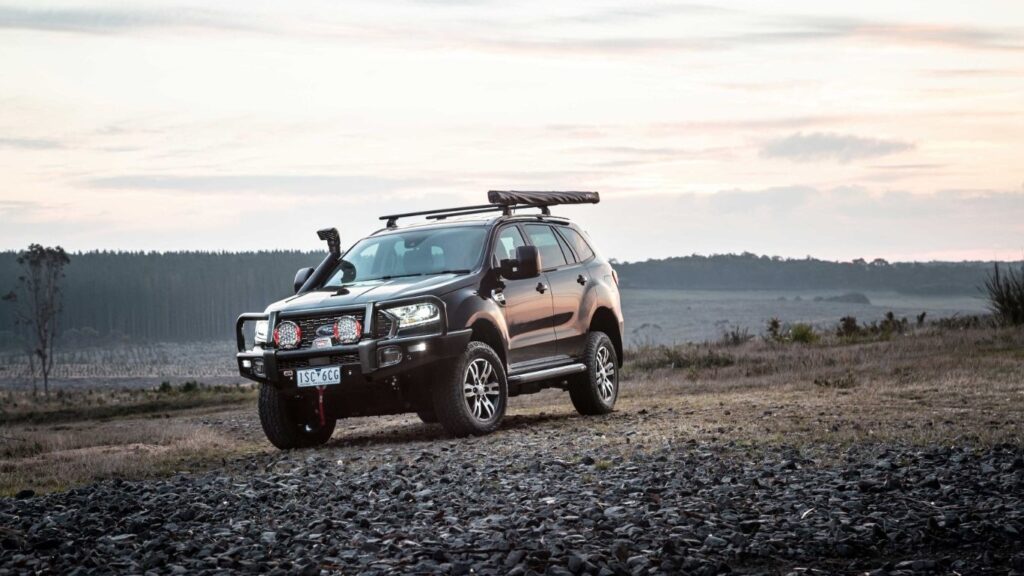
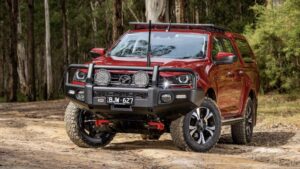
But still, the Everests were never as popular as they should have been. Designed in Australia for Australian conditions, it offered an impressive 800mm wading depth, plenty of tech and more grunt than rivals like the Toyota Fortuner and Mitsubishi Pajero Sport. For many buyers, it was one of the most capable and comfortable wagons in its class.
That doesn’t mean it was perfect, though. The 2.0-litre four-cylinder Ford Everest models in particular developed a reputation for a handful of common problems. Most aren’t deal-breakers, but they’re worth knowing about before you buy one or hitch the van up for a lap of the country.
Quick answer: Common Ford Everest problems
Emissions systems (EGR and Adblue in particular)
Wet belt
6 and 10-speed transmission faults
Intercooler pipes going pop
Interior and exterior plastics
Corrosion
Are Ford Everests reliable?
Yes, the Ford Everest is generally considered a reliable large SUV, particularly when properly maintained. The most common issues include wet belt servicing requirements on 2.0L engines, EGR and AdBlue faults, transmission concerns, intercooler pipe failures and premature wear of some interior and exterior trim components.
Most common Ford Everest problems
Problem
Affected models
Severity
EGR and AdBlue faults
2.0L diesel
High
Wet belt wear
2.0L diesel
High
6-speed transmission issues
Pre-2019 models
Medium
10-speed transmission faults
2018+ models
Medium
Intercooler pipe failures
2.0L diesel
Low
Plastic trim deterioration
Various models
Low
Tailgate issues
Power tailgate models
Low
Rust in body seams
Some vehicles
Medium
Which Ford Everest models are covered?
While the Everest has been available with several engine and transmission combinations since arriving in Australia in 2015, this article primarily focuses on the Ford Everest 2.0-litre four-cylinder diesel models and its common problems.
We’ve already covered the 3.2-litre five-cylinder engine in our Ranger problems guide and the newer V6 diesel in our Next-Gen Everest coverage, so here we’re concentrating on the four-cylinder variants that arrived as part of the 2018 update.
Producing 157kW and 500Nm, the bi-turbo 2.0L offered more power than the old 3.2L five-cylinder, but it also introduced a handful of well-known reliability concerns. Fortunately, most can be managed with proper maintenance and a bit of preventative care.
Ford Everest EGR and AdBlue problems
Emissions systems have been around for a while now and they’ve always sucked. Some are less worse than others and some are downright abysmal. But overall, they’re expensive to replace, a legal requirement, and are ultimately designed to fail. So, I hate them. With that said, I get the need for them and I understand why a lot of people think they’re necessary.
The Everest’s exhaust gas recirculation (EGR) and AdBlue systems seem to be the cause for a lot of grief. The EGR coolers are prone to allowing coolant into the parts of the engine where coolant is not allowed, and the AdBlue dramas stem from the liquid crystallising and gumming up lines, faulty heaters in the tank and electrical sensors deciding to run away to chase their dreams rather than showing up to work.
To be fair, this common problem is not specific to just the Ford Everest.
Symptoms
Smoke, rough running, unexplained coolant loss (low coolant alarms are cheap insurance) and deciding to go into limp mode when you’re in a rush or have a big trip next week are the usual suspects.
Cause
The Everest’s EGR and AdBlue systems are both designed to reduce emissions, but they do so by introducing extra complexity into the engine. The EGR system works by redirecting a portion of exhaust gases back through the intake system, reducing combustion temperatures and lowering emissions. The downside is that soot and carbon deposits gradually build up inside the system, restricting airflow and placing additional strain on components.
The AdBlue system brings its own set of headaches. AdBlue is injected into the exhaust stream to reduce harmful emissions, but the fluid can crystallise if left sitting for extended periods or if components begin to fail. Over time this can block lines, damage injectors and create faults with sensors, heaters and pumps. Like most modern diesel emissions systems, it’s not so much a question of if components will wear out, but when.
Fix
There isn’t really a magic cure here. Regular servicing, quality fuel and ensuring the vehicle gets plenty of longer highway runs can help reduce carbon build-up and keep the emissions systems operating as intended. If faults do develop, the solution is usually replacement of the affected component, whether that’s an EGR cooler, AdBlue injector, heater, pump or sensor.
While deleting emissions equipment is often discussed online, it is illegal for road-registered vehicles in Australia and can attract significant penalties. For most owners, preventative maintenance and prompt repairs remain the best approach.
Is it a serious problem?
Yep, number-one-with-a-bullet diesel engine killer. Somewhat beneficial for the environment though, which is arguable, but you may as well try debating the benefits of veganism with a grizzly bear if you’re going to tell the powers that be to come up with a less garbage solution. They’re not going anywhere.
Ford Everest wet belt problems
The 2.0Ls ran what’s called a wet belt. It’s where the timing belt runs through the sump, bathing it in oil. It makes the whole show run quieter, but also means the belt must be changed right on time or catastrophic engine failure can occur. A bit like emissions systems, good in theory but is somewhat of a common problem for the Ford Everest in practice.
Symptoms
“Clank clank bang: vehicle no worky” is the general way this one plays out. While early signs can be exhibited it’s often a bit of a silent killer. Any sortof mechanical slapping or grinding noises from the engine should be taken extremely seriously. Dirty, contaminated oil at service time is another giveaway that things aren’t happy in Narnia.
Cause
The oil degrades the fibres in the rubber belt over time, causing them to flake off and clog up the oil pick-up in the sump. This leads to the engine being starved of oil and everything running on borrowed time. Catastrophic engine failure was not what you’d call uncommon. It was also possible for the belt to simply snap, again leading to a different but just as terminal range of issues. Either way, it’s not the ideal set-up. In fact, in 2026 Ford changed up their four-cylinder engines to a timing chain rather than a belt.
Fix
A wet belt is not an inherently bad thing, but it does require maintenance that’s either early or bang on time. Belts, oil and filter must all be fastidiously replaced as per the service schedule, or even more frequently if you’re regularly driving hard off-road or towing heavy. It’s not so much a fix for the issue as it is a no-compromises attitude towards maintenance. Which is not really a bad thing, to be fair.
Is it a serious problem?
Not if the servicing schedule has been stuck to like anti-seize sticks to absolutely everything it comes in contact with. A lot of people like to call wet belts a bad design when they’re really not, but yeah, they remove any wiggle room you may have with filling out the old log book.
Ford Everest transmission problems
The 6R80 6-speeds in the pre-`19 Everests were direct copies of the highly respected 6HP ZF transmissions found in a wide range of other vehicles (including the Falcons of the time). But unlike the ZF boxes, the Ford Everest offerings were unfortunately known for their “don’t feed after midnight” gremlinity, which is definitely a word for common problems. Don’t look it up.
The 10R80 10-speed found in the later models was a joint venture between Ford and GM, who market their version as the 10L80/90E. While the 6 and 10-speeds are different boxes, they often suffer from similar issues, despite both being solid options overall.
Symptoms
Erratic shifting and flaring in between gears are the common ones, as are loud clunks upon take off and occasionally when coming to a stop.
Cause
The 6-speed transmissions have service intervals of 240,000km or ten years. That’s borderline abusive when simply tootling around the `burbs, but for off-road driving or heavy towing it’s absurd. They also have an internal thermostatic valve that doesn’t allow the fluid to circulate through the cooler until an internal operating temp of around 80°C is reached, causing a bunch of unnecessary wear and tear on the internals during warm-up. Couple that with the ricockulous service schedule and your fluid gets cooked and problems start occurring.
With the 10R80 there are a few weak links that can bring the whole big-top crashing down. The torque converter is a little troublesome (particularly the clutch packs) as is the valve body, the CDF (internal clutch) drum… the list goes on. Just like every auto, however, the big killer is heat.
Fix
With an aftermarket fluid cooler (and fitting a slug in the 6R80’s thermostat to keep it open at all times) you’ll avoid most problems in both transmissions. There are numerous upgrade kits available for both of them and they’re both super rebuildable. If yours does let go, look into the rebuilding options before forking out for a new transmission. Chances are yours can be brought back to life with a lot stronger componentry.
Is it a serious problem?
Change the fluid every 40,000 to 60,000km (depending on what you’re doing with them) and if you feel like getting sporty, fit an oversized pan, upgraded valve body and aftermarket cooler and you’ll likely never have a problem again.
Ford Everest intercooler hose problems
The pipe between the turbo and the intercooler, commonly called the hot side pipe, is known to become brittle and burst. This also happens in the `22+ PY models for the record. It’s often accompanied by a popping sound, which is the pressurised pipe giving itself a send-off as it vents that pressure to the atmosphere.
Symptoms
This common problem for the Ford Everest causes a pop, followed by a loss of power and a potential shift of the ECU into limp mode. It’s not uncommon for a fair amount of smoke to be developed as the air-fuel ratios get skewed out of whack by the lack of air from the turbo too.
Cause
Modern common rails can run up to 30psi+ of boost. Day in day out handling a lot of heat and pressure is enough to make anything (or anyone) get stressed and sooner or later the plastic and rubber components just tap out.
Fix
Aftermarket replacements are fairly affordable and commonly available. Throw them on, clear the codes and you’re on your way. Many folks fit them pre-emptively, especially if there are a few kays on the clock.
Is it a serious problem?
Not really, no. As part of your regular servicing an inspection should be done on both hot and cold side pipes/hoses. If there’s no visible degradation then call it good until next time. If things are starting to corrode and become brittle or crumbly it’s probably time to sort some replacements.
Ford Everest interior trim issues
The Everest interior and exterior plastics were probably made from a similar petrochemical compound that’s found in pizza dough. It looks great at the time you buy it but after not too long it gets faded and brittle and generally has the durability of a Milli Vanilli comeback tour. You’d think a company like Ford would have the whole UV-stabilisation thing down and be aware that the Aussie sun is meaner than just about everywhere else, but nevertheless, they dropped the ball here.
Symptoms
The plastics inside and out become discoloured and brittle over time. Paint peeling off interior door handles and in a few cases, the handles snapping right off is not unheard of either.
Cause
The plastics used were just not up to task. Nobody seems to know why Ford signed off on the use of sub-standard materials, but we all know it was due to money. Pfft.
Fix
There are a lot of online tutorials on how to refinish interior parts that apparently bring them back to life, making it a cheap and easy exercise. It will come down to how far gone it is though. In a lot of cases the only option will be to replace the part with a fresh one.
Is it a serious problem?
Look, this common problem is not going to jeopardise your safety or really affect the functionality of your Ford Everest too much. It’s more of an annoyance than a legitimate concern. Looking at it through that lens, no, you shouldn’t worry. On the other hand, if you’ve dropped a bunch of cash into a fairly modern car and want it to work as it should then it may be more pressing to get fixed up.
Ford Everest rust problems
It may seem like way too young a vehicle to suffer rust problems but there have been a fair few reports of metal cancer in doors, bonnets and tailgate seams. Rust repairs suck at the best of times, and the Everest mainly seems to have them out of warranty, but luckily Ford seems to have been fairly cool about replacing the affected panels.
Symptoms
Paint flaking and bubbling are usually the first sign the red devil is in the house. An easy check is to take a small magnet and press it on the areas you might think are affected. If it sticks, happy days. If it doesn’t, you got problems.
Cause
The general consensus seems to be that the steel panels wasn’t adequately prepared with rust-proofing compound before painting, or that the paint itself was applied too thinly. Either way, rust gets in.
Fix
Panel replacements from Ford have been fairly easy to come by according to many folks. If that’s not an option, it’s time to get a quote from your local panel-beater for a rust removal and repaint service.
Is it a serious problem?
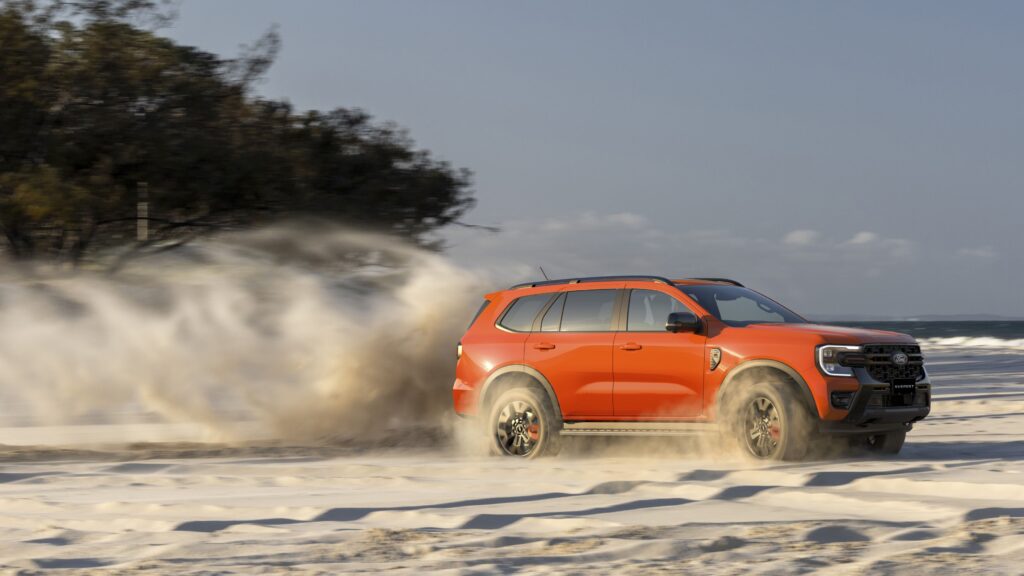
While hardly something that should keep you p at night, anyone living within 50km of the coast should always keep rust prevention in the back of their mind and regularly wash their 4X4. Especially if you like beach driving.
Ford Everest power tailgate problems
The power tailgate seems to be a hotbed of drama for Everest owners. Limited or no functionality, sporadic operation and sometimes just flat out refusal to work are not uncommon occurrences. A bit like an apprentice we all know.
Symptoms
Refusal to open, especially with the foot gesture, usually while your arms are full with the week’s groceries, a squirming toddler and the overwhelming need to pee. It may also only open halfway before closing, or open completely then refuse to close. Pretty much every aggravating permutation of not working properly you can imagine has been experienced.
Cause
The electronic module in the door seems to be the main culprit, though actuators and brittle plastic connectors have also been traced back as the cause of the problems too.
Fix
Replace the module/actuator/clips, plug everything in that needs to be and away you go.
Is it a serious problem?
If your tailgate isn’t operating properly, yes. But no, it’s not dangerous, just inconvenient. Get it fixed and kiss the sky.
Best Ford Everest years to buy
If you’re shopping for a used Everest, many owners and specialists consider the later PXIII models among the best picks. These vehicles received updated technology, improved safety features and the more powerful bi-turbo engine.
Before buying any Everest:
Check for a complete service history.
Test drive the vehicle for transmission shudder or harsh shifting.
Check for coolant loss and EGR-related fault codes.
Inspect door, bonnet and tailgate seams for signs of corrosion.
Ensure the power tailgate operates correctly.
A well-maintained Everest with documented servicing is usually a safer purchase than a lower-kilometre example with gaps in its maintenance history.
How to prevent Ford Everest problems
Many Everest issues can be reduced with proactive maintenance:
Service the vehicle on time or earlier if regularly towing or touring.
Replace engine oil using the correct specification.
Monitor coolant levels and investigate any unexplained loss.
Change transmission fluid more frequently than the factory schedule if towing or driving off-road.
Inspect intercooler hoses during routine servicing.
Wash the vehicle regularly if used on beaches or in coastal areas.
Address warning lights immediately rather than delaying repairs.
FAQ
Is the Ford Everest reliable?
Generally yes. Most owners report good reliability, although 2.0L diesel models require careful maintenance, particularly regarding wet belt servicing and emissions system components.
Which Ford Everest engine is best?
Many owners favour the 3.2-litre five-cylinder diesel for its simplicity and proven track record, while the newer V6 diesel offers significantly more performance. The 2.0-litre bi-turbo can also be reliable when maintained correctly.
Do Ford Everests have wet belt problems?
The 2.0-litre diesel engine uses a wet timing belt that requires strict servicing. Neglected maintenance can lead to expensive engine damage.
Are Ford Everest transmissions reliable?
Both the six-speed and ten-speed automatic transmissions are generally reliable when serviced properly, although some owners have reported harsh shifting, shuddering and valve body-related issues.
Is a used Ford Everest worth buying?
Yes. A well-maintained Everest remains one of the most capable touring wagons in its class and offers excellent towing, off-road ability and family practicality.