Mazda BT-50 common problems: what to look for before you buy
Learn the most common Mazda BT-50 problems, what causes them, how to fix them, and which model years are the best to buy.
Published on: 29 June 2026

The BT-50 has long been one of the quiet achievers in the dual-cab market. Launching in 2006 and continuing to 2020, the first two generations shared most of their DNA with Ford Rangers, including the Duratorq 4-cylinder turbo diesels and five-pot 3.2L engines.
While they never achieved the sales figures of the Rangers, the BeeTees had pretty much everything the Fords did, except maybe the looks. As such, people didn’t seem to want them as much and they were largely slept on by most ute-buyers making them one of the best value 4X4s on the market.
Overall, yes. The current Mazda BT-50 is widely regarded as one of the more reliable dual-cab utes on the Australian market. Since Mazda partnered with Isuzu for the third-generation BT-50 in 2020, the ute has benefited from Isuzu’s long-standing reputation for building durable commercial vehicles.
The standout is the 3.0-litre 4JJ3 turbo diesel, an engine that has earned a strong following for its longevity, towing ability and relatively straightforward design compared with some rivals. Regular servicing and proper maintenance go a long way towards keeping these engines running well beyond 300,000km.
That doesn’t mean the BT-50 is perfect. Like virtually every modern diesel ute, it can suffer from DPF and EGR-related issues if it’s used primarily for short urban trips. Early models also attracted criticism for their overly sensitive driver assistance systems, while some owners have reported steering quirks, paint durability concerns and minor interior annoyances.
Overall though, compared with many competitors, the BT-50 has developed a solid reputation for reliability, particularly in 3.0-litre form.
We’re going to focus on the Isuzu-based BT-50s here, because we’ve already covered the four-cylinder Ford problems and the 3.2L Ford dramas before.
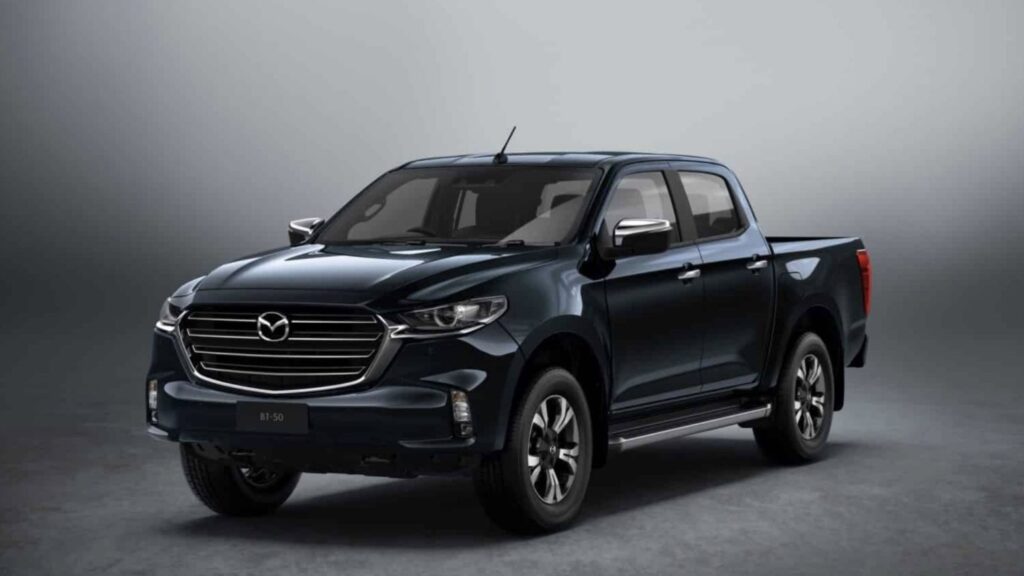
Mazda had Isuzu build the BT from scratch for them, making them identical in everything but looks to the D-Max-based models. Same engine, same 6-speed auto, same transfer case, same diffs, same suspension… you get the picture. There are 7 different trim levels (WTF?!) and over 100 accessory options from Mazda that you can choose from new, which is not only insane but also largely cosmetic that doesn’t really do anything but pump up the cost. Still, beauty is in the eye of the beer-holder and all that.
The pick of the bunch is the 4JJ3 3.0L-powered models. This engine, at least on paper, is kind of middle of the road. Putting out 130kW and 430NM isn’t going to light anyone’s world on fire, but it’s what these engines are capable of is where the true gold is found.
We did a whole article on these things a few years back, and with a few choice upgrades you can pump out some serious power and torque without upsetting reliability. It’s a classic truck engine: understated and overengineered. The 1.9L and 2.2L engines are not bad by any stretch, but as we’ll touch on later, they’re just not suited to some people’s idea of what a ute engine should be.
If you’ve read any of these problems & solutions articles before, you’ll already know that emissions systems are a reliability chokepoint for every modern turbo-diesel. Some are less worse than others, but pretty much all of them suck. Yes, we acknowledge the need for them and are not suggesting they disappear completely, but the fact is the current Exhaust Gas Recirculation (EGR) and Diesel Particulate Filter (DPF) set-ups found on every diesel leaving the showroom these days are all known to cause problems.
Poor fuel economy, limp mode, excess smoke (the irony) and in many cases significant engine damage. Terminal injury to engine internals are unfortunately not that uncommon, but fortunately, not with the BT-50s. But still, emissions gear does cause problems.
With EGRs, there’s a valve that recirculates the exhaust gasses back into the intake manifold to be re-combusted. To be fair, it’s a solid idea in theory. In practice, the exhaust clogs up the intake with carbon deposits and progressively makes it more difficult for the engine to breathe.
DPFs are a filter, it’s right there in the name. Filters are a wearable part. As such, they gunk up over time and lose efficacy. With regular highway driving they may last a good long time. With nothing but runs to the shops they may fail within 50,000km.
Replacing them is all you can legally do. Illegally speaking, you could get them tuned out and removed… but that’s illegal and will also certainly void your insurance.
Take your diesel on weekly runs up the highway and have your intake either chemically or manually cleaned once a year and the emissions systems should work fine for a long time. Unfortunately, there are plenty of examples of this not being the case.
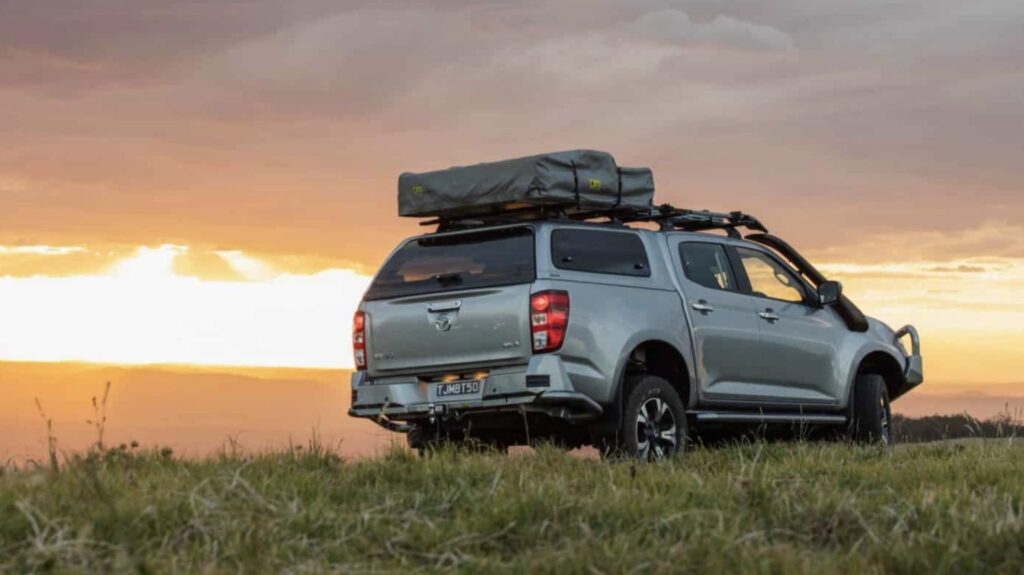
While we’re talking about government-backed frustrations, there is a hypothetical sweet spot where a vehicle’s safety features and driver annoyance do not overlap. Mazda reached that spot, then decided to keep going deeeeeep into driver-annoyance territory. To be fair, this isn’t limited to the BT-50, but it is definitely one of the more rage-inducing safety packs we’ve encountered. And many owners agree.
The usual chimes, beeps, musical alerts and jingles that were co-produced by Satan and Yoko Ono are in abundance. Now it’s all in the name of safety, and yes, the bubble wrap of tech-based safety “features” inherently engenders lazier driving, but in my opinion, the Autonomous Emergency Braking (AEB) and Lane Keep Assist (LKA) are legitimately dangerous.
Simply put, they’re too sensitive. And they get even worse when towing. You can turn them off on the dash/wheel controls, but you shouldn’t have to. Some car-makers have it so once it’s off, it stays off, which is how it should be. But the Mazda defaults to on every time the ignition is cycled. The calibration is so far off that several owners have been rear-ended as they go around a bend in the road, the AEB thinks it sees something (that isn’t there) and slams on the brakes. Safety features? Inbuilt danger features more likely.
In post-22 models, Mazda recalibrated the features after numerous complaints, making them way easier to live with. You can also switch them off from the dash or steering wheel controls.
Your call. Some people really love having this gear installed and are happy to adjust their driving habits accordingly. Other people think they’re utter crap. It’ll depend on where you land on that particular spectrum.
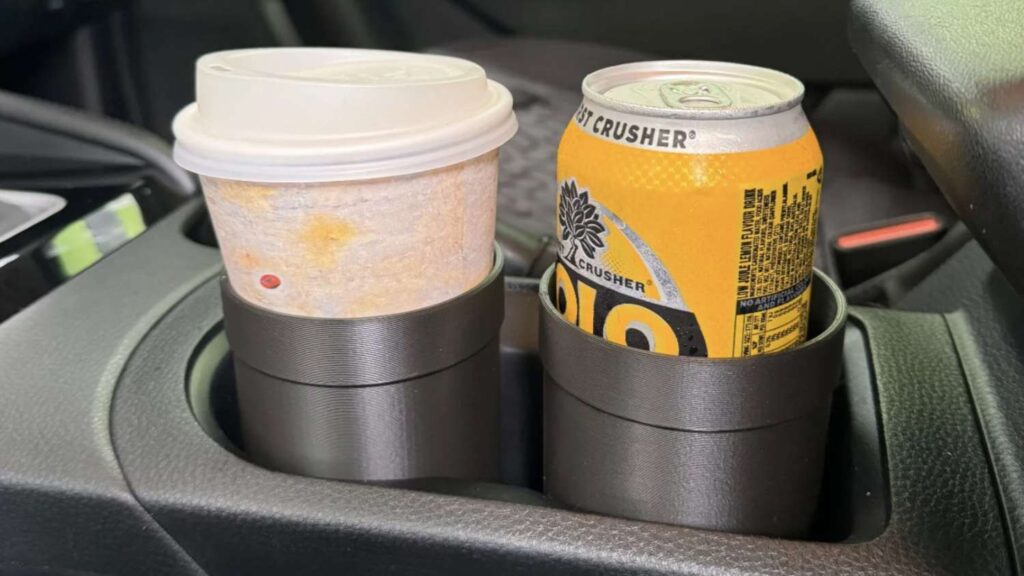
Look, we like to head off-road, so things like factory ride quality and interior appointments don’t generally concern us. But this does warrant a mention because it’s pretty infuriating. The BT-50 cup holders are hot garbage. I mean, the whole interior quality is pretty hit and miss to be fair. The interior trim can become rattly, and some surfaces feel like they’ve been laminated with 40-grit wet-and-dry, and let’s not even get into the quibbles of the infotainment unit. But the cup holders are too narrow, too deep and you don’t even get the dash-mounted units found in the D-Max. Poor form, Mazda.
Nothing like grabbing an early-morning drive-thru coffee, taking a sip, feeling human for the first time in what feels like years and placing it in the cup holder as you re-join the commuter traffic. You hit a red light and reach for your elixir of life and there’s nothing there. Your espresso has taken a one-way trip to the bowels of Narnia and the only way you’re retrieving it is with a scuba suit and some sort of excavation equipment.
If you’re wondering how to eff up a cup-holder, this is it.
I have nothing to back this up but I’m blaming the middle-management of the design department at Mazda HQ. I said what I said.
The internet to the rescue… again. Some of the big brains in the BT-50 owner groups have come up with the brilliant idea of 3D-printing inserts that slot into the holders, making them usable. If you’re handy with the saws, planes, chisels and hammer, you could also fashion something tidy up out of timber without too much fuss.
No, this does not affect reliability or off-road performance in the slightest. But this is a problems and solutions article and I’m still salty at Mazda for the macchiato I spilled all over the press vehicle I was driving a few years back while trying to retrieve it from the same abyss Gandalf and the Balrog fell into. My coffee deserved better, man.
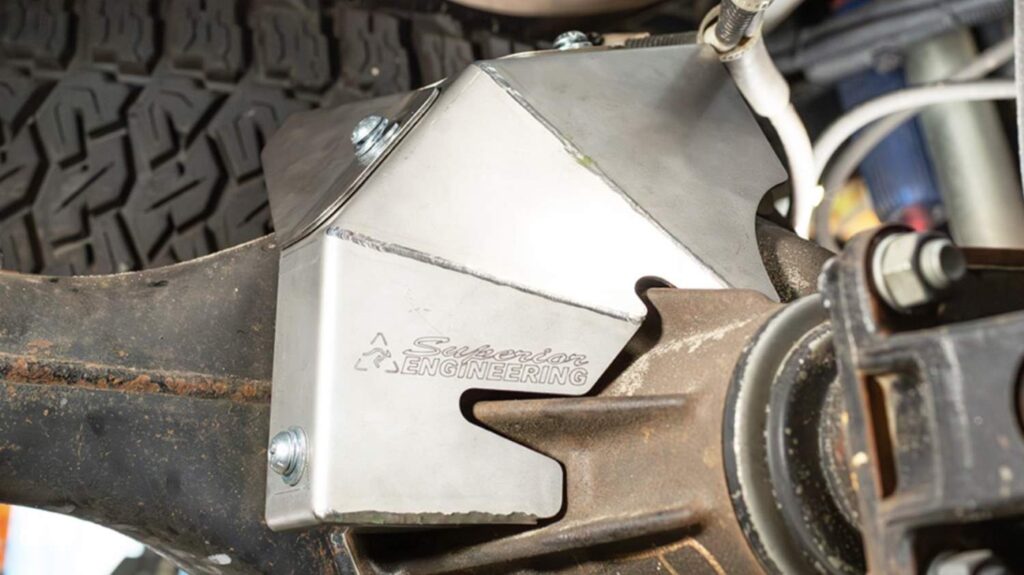
The rear diff lock actuator is on the leading face of the diff, blowing in the breeze and practically begging to be lunched by a rock or tree branch across the track off-road. This isn’t a drama for BT-50s that spend their time on-road, or even driving dirt tracks or sandy beaches, but if you want to get amongst it, then some preventative maintenance will be called for.
You’ll know you’ve damaged your rear diff lock actuator when you’ve engaged your rear locker and one wheel is scrabbling for traction and the other one isn’t doing a thing, aka your locker isn’t lockering.
Some engineer who probably never wheeled a day in their life thought the forward-facing edge of the diff housing was the perfect place to put an integral yet fragile piece of equipment. $10 says that engineer has been promoted to middle management by now. $20 says everyone who works with them hates them.
Aftermarket bashplates are a quick Google away (once you scroll by all the AI slop) and are fairly easy to fit up.
Not unless you like to party in low range. If you spend most of your time on the easier tracks then you should be sweet. Still, for the few bucks a bashplate costs…
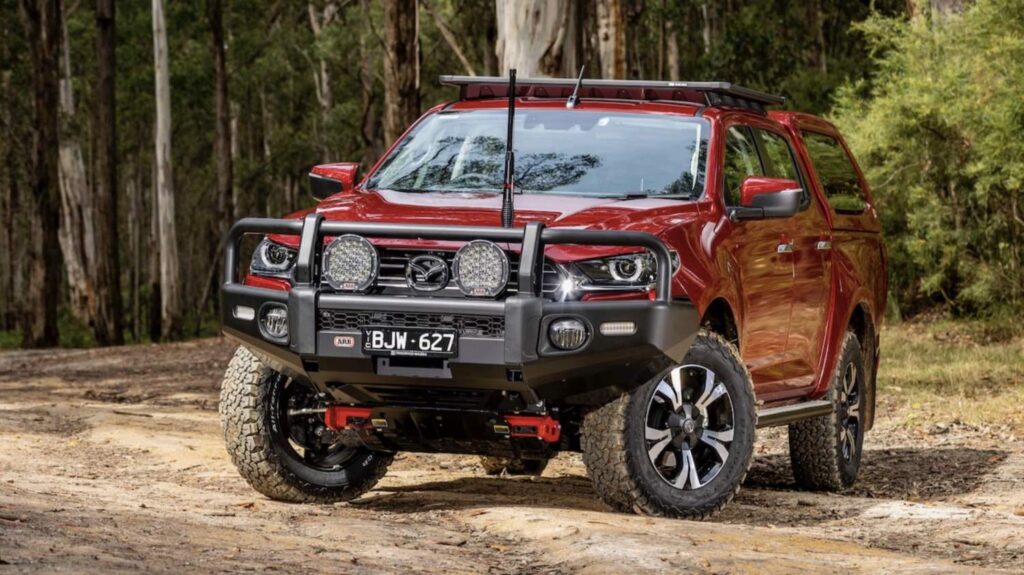
Bump steer is when you hit a small obstacle with the front wheels, and the steering wheel is violently reefed from your grip, like it’s a toddler who really wants one more go on the slide at the playground, despite your best efforts to get them in the car. On solid axle rigs, it happens when the steering draglink isn’t aligned with the Panhard rod, but with the BT-50 from 20-23, it’s due to woeful suspension and steering alignment out of the box.
I probably made it sound more violent than it really is above. It’s not that bad, but it’s still enough to affect tyre wear and make for a fairly unpleasant driving experience on anything but freshly laid bitumen.
The geometry on the factory steering knuckles was what could best be described as dodgy. As the suspension moved up and down through normal driving, the amount of toe change on the tyre was excessive, leading to the bump steer and the uneven wear. Mazda did fix this for the 24 model, but it’s pretty ordinary that this was ever allowed through quality control.
There are aftermarket steering knuckles and products that address this, and people who have had them fitted report the problem almost completely disappears, especially on lifted rigs.
The severity of the issue comes down to a few variables. The roads you drive, the amount of load you carry, the time you spend off-road, the list goes on. It may be unbearable for one person while it barely bothers the next. If you’re in the bothered camp, aftermarket arms are probably your best bet if Mazda are no help.
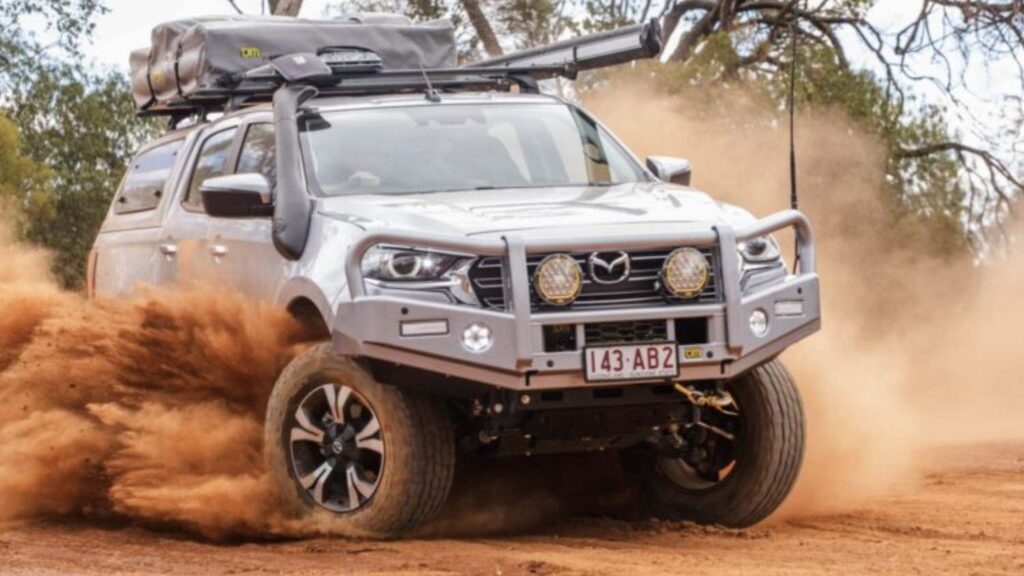
The left rear leaf spring hangers on the chassis were the subject of a recall, so it’s worth keeping an eye out for if you’re shopping for a second-hand late model BT. One of the welds from the factory was insufficient and prone to cracking, letting the spring come loose from its leading attachment point at the frame.
If the spring does break free, it could cause the rear diff to crab-walk and even potentially cause an accident. In most cases a wandering rear end, particularly around corners, was the most reported symptom of the fault
Who knows? An unserviced machine that was handling the welds, the apprentice laying booger down, old mate who lied on his resume that he was a top welder but couldn’t stick two bits of paper together with a litre of Clag paste and a painter’s brush? It could be a bunch of reasons.
This was a recall so it should be sorted by now but it’s worth checking. Quite a few owners have reported they took it to their boilermaker mate and had them grind the weld out and zip it up properly with the MIG. Either option works.
Not unless your vehicle is dancing like Elvis around a corner or the tyre on one side is poking suspiciously far out from under the guard.
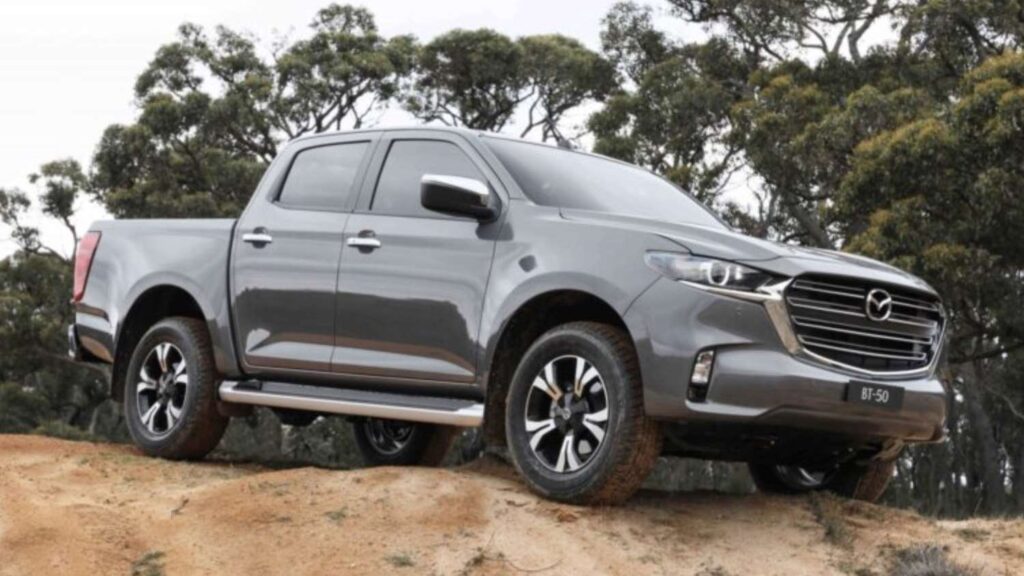
Okay, the 1.9L four-pot diesel is not a bad engine, in fact, it really has a lot going for it. But it doesn’t really belong in a ute that does ute stuff. It’s fine for light loads and the commute to work, but once the tray is loaded up with tools or the caravan is hitched up, it runs out of puff quickly. And unfortunately, the 2.2L engine that replaced it suffers the same lack of oomph.
While popular in Europe, over here we drive further and travel heavier. Punting a nearly 3T+ ute up a steep hill with a trailer in tow with 121kW and 360NM is about as fun as being locked in a prison cell with a bloke named “Hands-on” Harold.
This is one of those times where the “there’s no replacement for displacement” crowd are correct. It simply doesn’t have the torque to lug heavy weights around or the horsepower to get you up to speed when getting to the hefty end of the scales.
Buy the 3.0L model. Sorry, but the money spent working the smaller engines to anything near what the 4J models are capable of would be like flushing a wad of pineapples down the loo.
If you’re planning on towing your 8M plate boat up the coast or carting around a bunch of roofing supplies, then yeah. If you’re running around town and doing occasional weekenders with your mates, the 1.9L or 2.2L is more than up to the task.
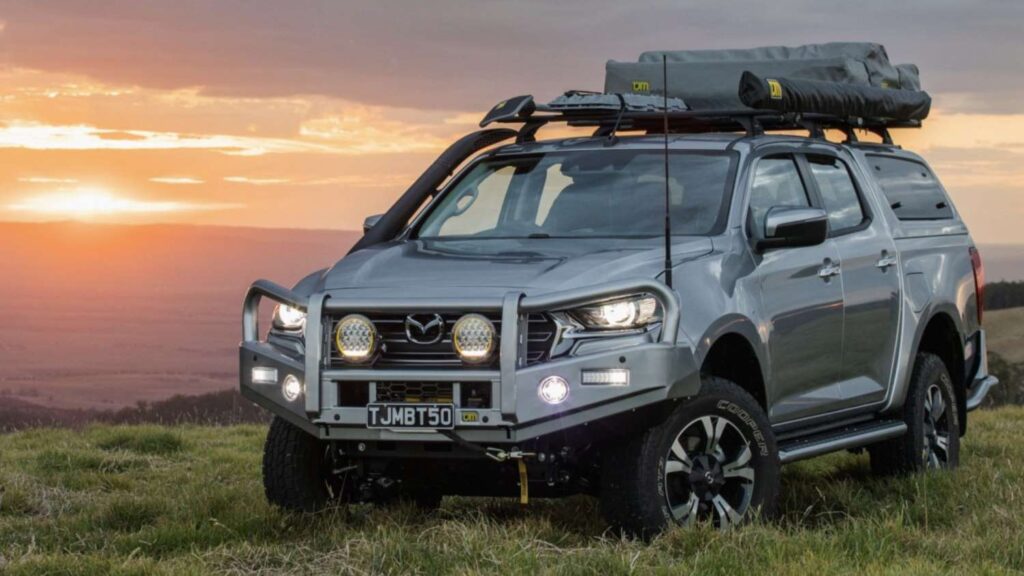
A lot of owners have reported that the paint is laid on pretty thin, even with the factory ceramic coating option that apparently does precisely bugger all. Multiple owners have reported issues with paint coming off with little more than a stern look, which is fairly ordinary given how much new vehicles cost these days.
Flaking and bubbling panels, often with large section of colour able to be removed with a finger. There have also been numerous reports of rising blood pressure for some owners in addition to panel beaters thanking their respective gods every time a BT-50 pulls up in their driveway.
Simply put, the primer, paint and clear coat are all applied way too thinly. I think we all have a pretty clear picture of the spineless bean-counting toad who checked a spreadsheet and determined there was a few bucks to be saved by using less paint.
Most owners have turned to aftermarket paint protection films like Bushwrapz or similar, and they swear by it, too. A few hundred bucks investment in some PPF seems pretty good against having half your clear coat flake off after a trip to the beach.
Again, given the prevention-is-better-than-the-cure fix is relatively cheap, I wouldn’t stress too much. It’s not cool you have to do it, but it could be worse I guess.

If you’re shopping for a used BT-50, the pick of the range is the 2024-onwards 3.0-litre model. By this point, Mazda had addressed many of the complaints levelled at the earlier vehicles, including revisions to the steering geometry and recalibration of several driver-assistance systems. You still get the proven Isuzu 4JJ3 engine, but with a more refined driving experience.
The 2021-2023 3.0-litre models are also excellent buying if they’ve been serviced properly and any recall work has been completed. They’re generally very reliable and represent particularly good value on the used market.
The smaller 1.9-litre and newer 2.2-litre engines can suit buyers who spend most of their time commuting or carrying lighter loads, but frequent towers or those regularly travelling fully loaded will generally be happier with the 3.0-litre.
Earlier Ford-based BT-50s remain capable utes, but they come with a different set of known issues that buyers should research before purchasing.
While no vehicle is completely trouble-free, a few simple habits can dramatically reduce the likelihood of expensive repairs.

Yes. The Isuzu-based BT-50 has earned a strong reputation for reliability, especially when fitted with the 3.0-litre 4JJ3 turbo diesel and maintained correctly.
Like most modern diesel utes, it can. Vehicles that spend most of their time on short trips are generally more likely to experience DPF-related issues than those driven regularly on the highway.
For most Australian buyers, the 3.0-litre Isuzu 4JJ3 turbo diesel is the standout choice thanks to its proven reliability, towing ability and widespread parts availability.
Yes. The 3.0-litre model is well suited to towing caravans, boats and trailers. Buyers planning to tow regularly should avoid the smaller engines if possible.
Since 2020, yes. The BT-50 shares its chassis, engine, transmission and much of its running gear with the Isuzu D-Max, with the main differences being the styling, interior and Mazda-specific tuning.