Mitsubishi Triton common problems: MQ issues and solutions
Buying a used MQ Triton? Learn about Mitsubishi Triton common problems, symptoms, solutions and what to check before handing over your cash.
Last Updated: 13 October 2026

Buying a used MQ Triton or chasing an issue with the one already in your driveway? There are a few Mitsubishi Triton common problems worth understanding before you hand over your cash or start throwing parts at it.
This guide focuses on the MQ generation, particularly the 2.4-litre turbo-diesel, covering intake and EGR carbon build-up, valve-clearance maintenance, chassis damage and suspension wear. We also look at everyday complaints, including headlight performance, stereo sound and that annoying seatbelt rattle.
These issues don’t mean every MQ will give you grief. Some are maintenance requirements, while others depend on the vehicle’s condition, modifications and how it has been loaded or driven. Here’s what to look for, what needs closer inspection and how to approach the solutions.
| Issue | Symptoms or warning signs | What to check or do |
|---|---|---|
| Intake and EGR carbon build-up | Reduced performance, rough running or an engine warning light. These symptoms can have other causes. | Have the fault diagnosed and the intake and EGR system inspected. Cleaning or component replacement may be needed. |
| Chassis damage | Visible bending or cracks, unusual tray alignment or a history of heavy loads and towing. Damage may not be obvious without inspection. | Arrange a professional chassis inspection, particularly on modified vehicles. Check loading history and modification approvals. |
| Valve-clearance maintenance | Missing records of the required checks; incorrect clearances may not produce an obvious noise. | Check the applicable Mitsubishi service schedule and confirm the work has been completed. |
| Shock-absorber wear | Excessive bouncing, poor body control or leaking dampers. | Have the shocks and surrounding suspension inspected. Choose replacements suited to the vehicle’s load and use. |
| Poor headlight performance | Limited visibility on unlit roads. | Check lens condition, headlight aim and existing globes before considering suitable, compliant upgrades. |
| Stereo reception and sound quality | Scratchy radio reception or disappointing speaker sound. | Check the aerial and connections before replacing the head unit or speakers. |
| Seatbelt tapping against the pillar | A light tapping noise over bumps when the passenger seatbelt is unused. | Confirm the source. A small soft pad at the contact point may help, provided it does not interfere with seatbelt operation. |
Valve-clearance checks are a maintenance requirement, and complaints about lights, audio and rattles are different from mechanical failures. Use this table as a starting point for inspection, rather than a diagnosis.
This guide focuses on the Mitsubishi Triton MQ sold in Australia from 2015-2018, particularly versions fitted with the 2.4-litre 4N15 turbo-diesel engine. If you’re researching problems with a 2016 or 2017 Triton, this is the relevant generation.
For a 2015 or 2019 vehicle, check the model designation rather than relying on the year in the registration details. The MQ replaced the earlier MN during 2015, while the updated MR arrived in early 2019.
Although the MQ and MR share some mechanical components, equipment and specifications vary. This guide concentrates on the MQ; don’t assume every issue or solution applies unchanged to an MR, an older ML/MN or a newer-generation Triton.
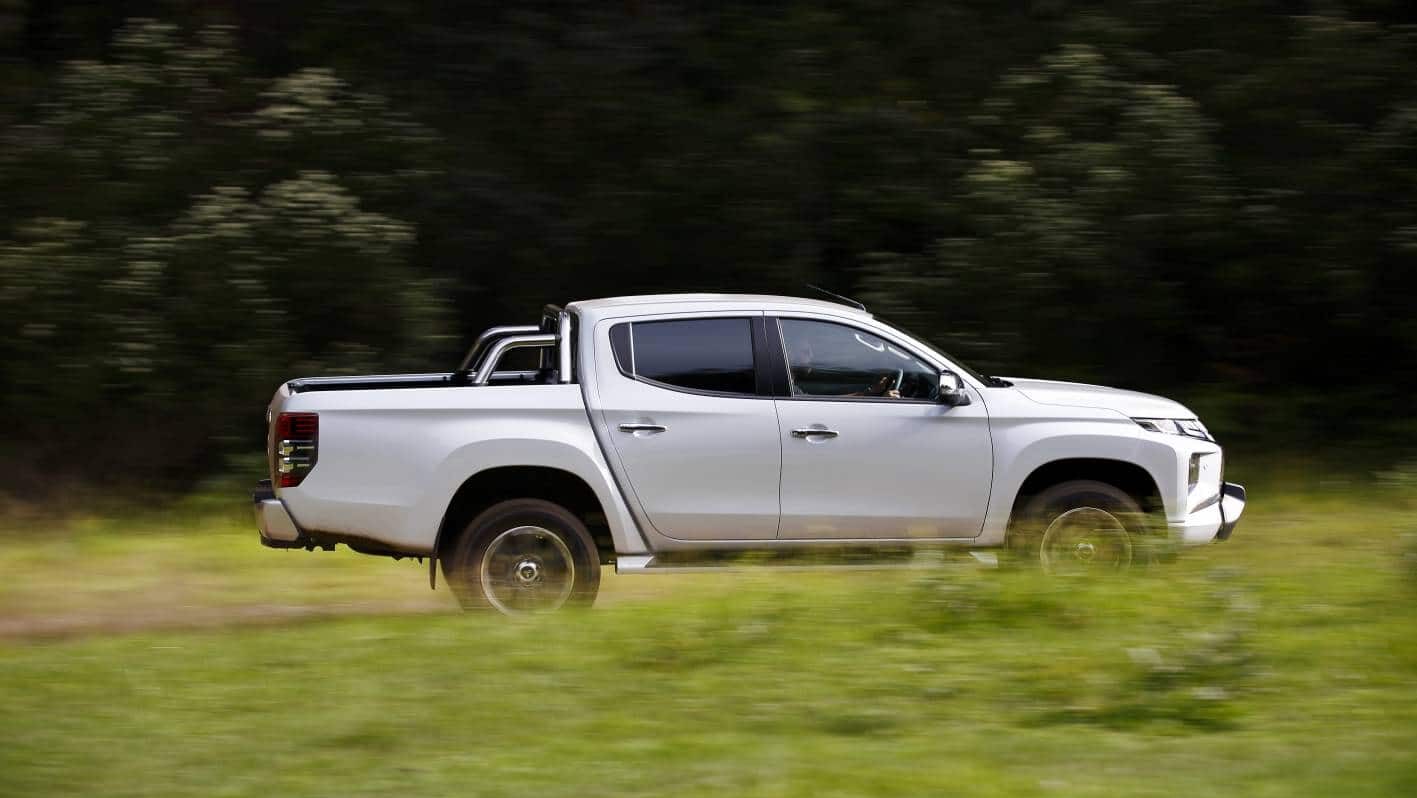
The Mitsubishi Triton is like other diesel four-wheel drives, so you need to watch for black gunk building up in the intake manifold and the Exhaust Gas Recirculation (EGR) valve. Fundamentally, you’ve got two emissions-control measures that, in isolation, cause no harm but, when you combine them under the same bonnet, can lead to chaos and big repair bills.
The first part of the phenomenon is the EGR function, whereby the engine swallows a percentage of its exhaust gasses to clean them up (by burning them twice). Nothing wrong with that. Nothing is philosophically wrong with making sure the gases that build up inside the crankcase don’t just vent to the atmosphere, either.
It’s when you combine those two functions and their by-products – the soot from the recirculated exhaust and the oily gasses from the crankcase – and mix them that you can have a problem with the Mitsubishi Triton. And when you see what a nasty, sticky, gloopy, horrible mess this combination of soot and oil makes, you can see why having it plastered all over your intake manifold and inside the EGR valve is such an issue.
Eventually, you’ll get reduced performance (because the engine can’t breathe), a check-engine light (because the EGR valve is blocked), and rough running, hard starting, and poor idling.
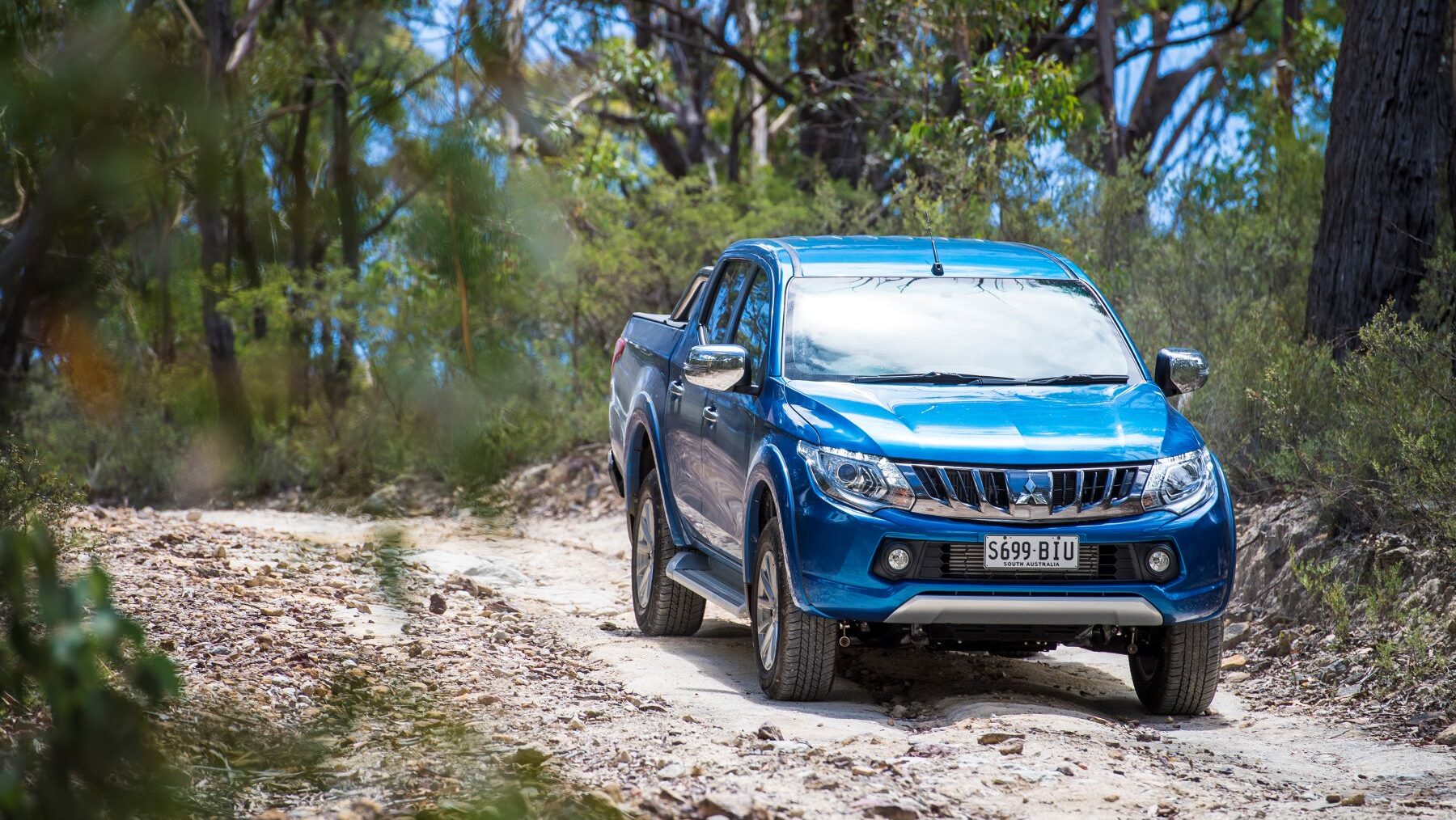
In extreme cases, you’ll need to disassemble the intake side of your Mitsubishi Triton’s engine, clean it manually, and put it back together. Along the way, you can try to clean out the EGR valve, but most workshops reckon you’ll wind up replacing it.
A lot of places we talked to reckon you can use an aerosol product that gives the intake manifold and its plumbing a quick, chemical pull-through. The trick is you need to use it every service, as it can only keep a lid on things.
You can test the EGR valve to see if it’s still functioning, but if it’s stuck open, it’s not a five-minute fix problem. You’re most probably looking down the barrel of a new valve assembly.
Some folks will tell you the best thing to do is disable the EGR valve by blocking it off. However, this is illegal. A better idea is to fit a catch can kit (we like Diesel Care). It’ll prevent oily vapour from entering the air intake and coating the inlet manifold with carbon build-up.

The Triton’s turbo-diesel uses a shim-and-bucket method to set the correct valve clearance, and it needs checking every 30,000km. That’s not the problem with the Mitsubishi Triton MQ per se; rather, many mechanics rely on checking ‘by ear’ to complete this task. That might have been okay on your grandad’s grey-motored Holden, but it doesn’t cut it with a modern turbo-diesel.
Running an engine with incorrect valve clearances can lead to valve and upper-cylinder damage, and while it shouldn’t require a full re-set every 30,000km, you might find one or two clearances need adjusting each time. That will increase as the engine wears and the clearances become more likely to adjust themselves in service.
Don’t forget, too, that the 4N15 engine in the Triton features variable valve timing, making correct clearances even more critical to the way it runs and its emissions.
Find a mechanic who knows what they’re doing and won’t fob you off with an ‘I checked it by ear’ explanation when the bill is handed over. Modern common-rail diesels are inherently noisy (mainly the injectors), which makes it extremely difficult to judge valve clearances accurately by ear.
We’ve heard of dealerships that do a ‘by-ear’ check while the vehicle is under warranty, then stick you with a bigger bill to properly check the valves once the warranty is up. You can check this with the service manager when you drop the vehicle off.
You can’t modify anything to get around this. Valve clearances change as components wear and the engine ages. But keeping on top of the maintenance will ensure that even if the clearances do change, they won’t go to hell all of a sudden.
Plenty of oil and filter changes are the best way to protect an engine internally, and they also help keep the intake sealed from dust and water.
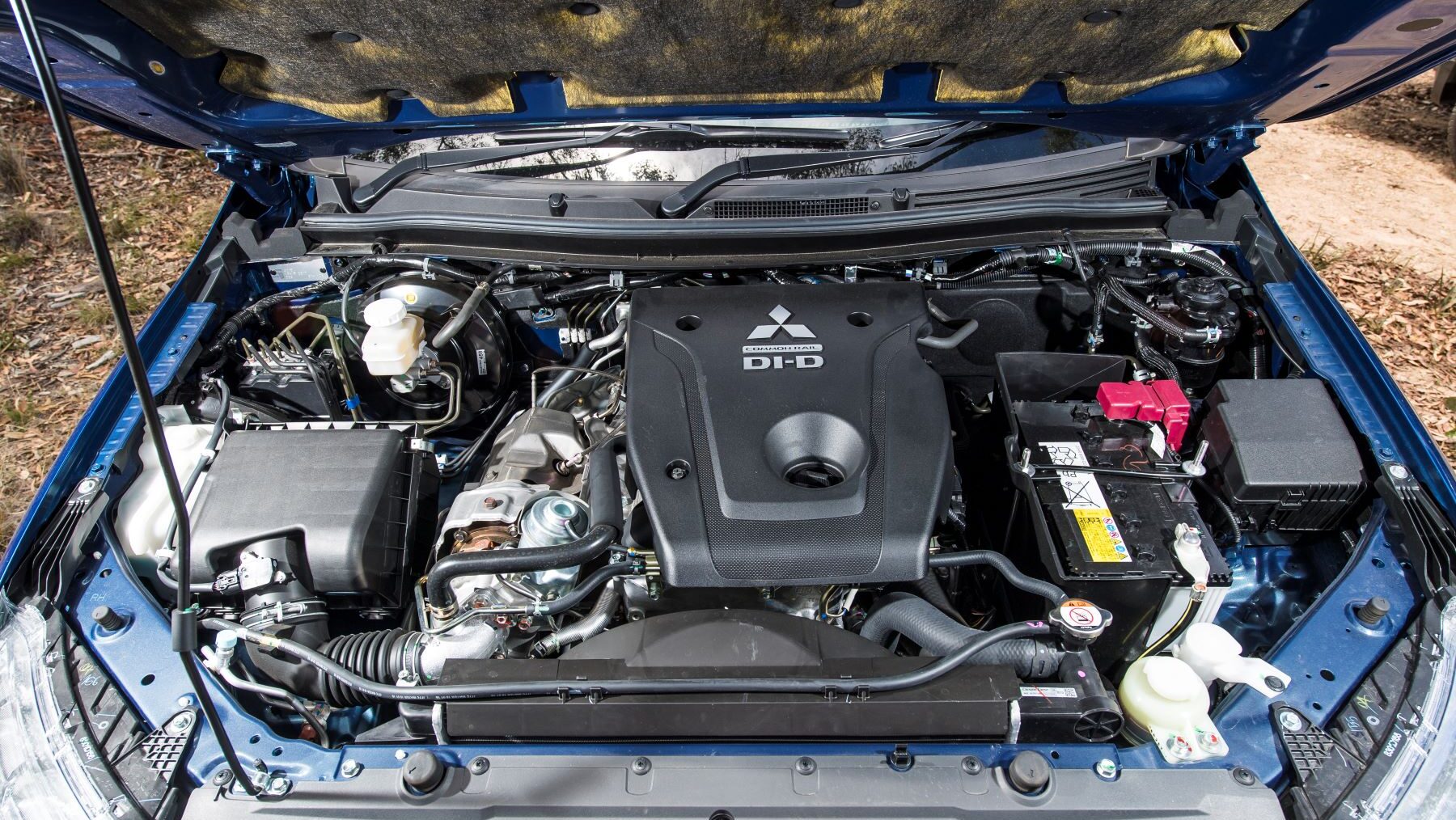
Let’s start by saying the Mitsubishi Triton MQ isn’t the only dual-cab ute with this problem. No doubt you’ve seen photos all over social media of cars with broken backs. But what’s causing it?
Two things, mainly. First, some owners keep operating their vehicles overloaded or poorly loaded. Manufacturers set payload and towing limits for a reason, and ignoring them is a great way to get stuck in the middle of nowhere.
The second is due to modified suspension systems, and from what we can gather, it’s aftermarket airbag systems (deemed necessary because the payload is often exceeded). Essentially, putting an airbag where it can act on part of the chassis not designed to take that load is a brilliant way to break things and cause major problems for your Mitsubishi Triton MQ.
In something like the Triton, with its leaf rear springs, the chassis is beefed up around the mounting points for those springs because that’s where the load is expected to be borne. But an aftermarket airbag that bolts right on top of the axle and then mounts to the chassis rail (pretty much exactly halfway between those strengthened spring-hanger points) is a real chance to overstress that section of the chassis, and it’ll bend. And then cracks. Towing a big van or camper trailer at high speed over rough terrain is another way to contribute to this problem for your Mitsubishi Triton.
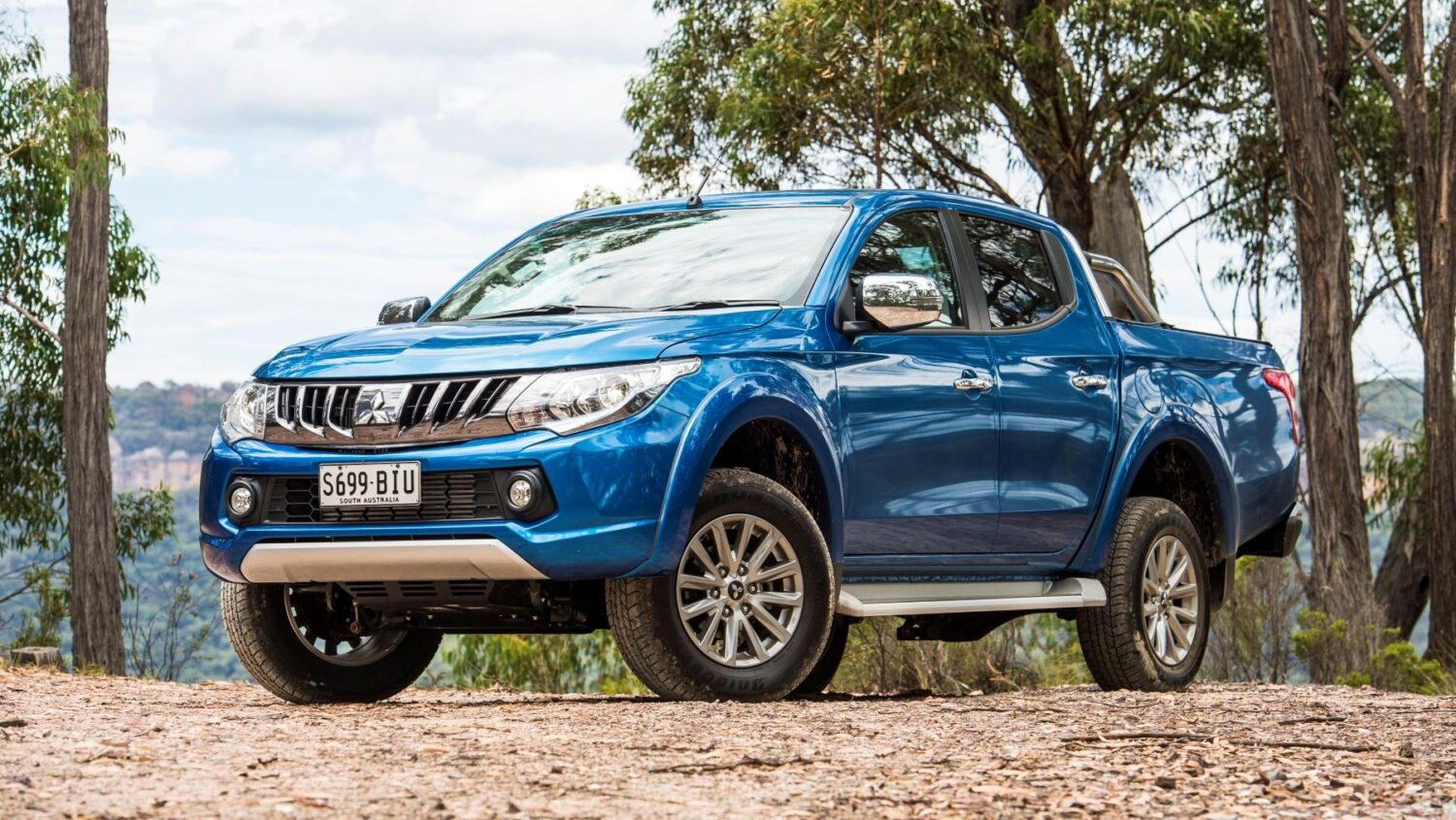
Done right, you can increase your rig’s GVM and towing capacity, but use a system designed for your exact vehicle and built by someone who understands the engineering and load paths involved.
We recommend Superior Engineering if you would like to go down this path as a preventative solution to this Mitsubishi Triton MQ problem. They’re an Aussie company that specialises in developing, manufacturing, and retailing premium-quality aftermarket 4X4 suspension and accessories, and given that this is their field of expertise, they’ll be able to advise you on the rules and regulations of the state or territory in which you reside.
Don’t forget either, that the Triton MQ 4×4 dual-cab ute starts with a 3000kg braked-trailer towing limit, rather than the 3500kg that some of its competitors claim. That’s not to accuse the Triton of being underdone, but it does reflect the fact that there are limits to what these trucks can do and that their manufacturers know as much. That said, the Triton is one of the only towing platforms that can tow at its maximum while still maintaining a healthy portion of its payload.
For a lot of folks, a taller, stiffer rear spring is probably all the upgrade they need for most applications. Yes, airbags are sexy, but you have to ask yourself whether the more straightforward, cheaper, reset rear spring is all you need in the first place. And think about how you load the vehicle rather than just chucking everything on board and hitting the key. Try to keep heavier stuff between the axles, and be aware that the MQ has a lot of rear overhang; that will go a long way toward avoiding this Mitsubishi Triton problem. So placing gear at the back means the load-force is cantilevered off the chassis rails. But it’s not the only solution.
If you do go for airbags, make sure the kit accounts for those new load paths and includes either extra bracing or a reinforced spring pad to help prevent chassis problems down the track. That way you’ll get all the ride-levelling benefits and side-to-side ride-height compensation without worrying about something cracking in the night.
What you might find, though, is that your preferred workshop doesn’t want to know about airbags. Some we spoke to will (politely) refuse to fit them for all the above reasons.
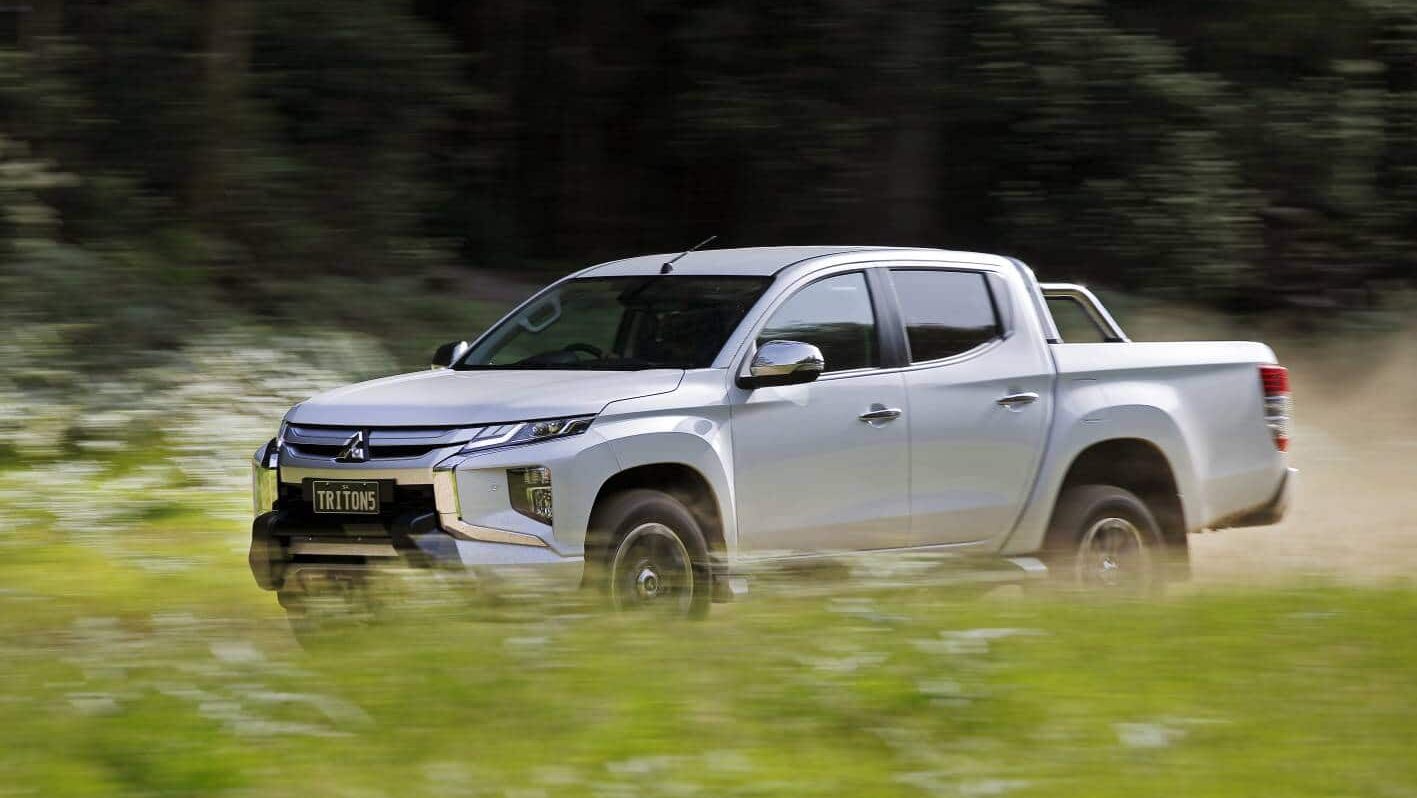
Maybe this problem is to do with the fact the Mitsubishi Triton is somewhat stiffly suspended, or perhaps (more likely) it’s due to the vehicle being built down to a price bracket that Mitsubishi’s suppliers must work within, but whatever the reason, the vehicle seems to wear out its OE shock absorbers pretty quickly.
The fronts seem to go first, probably because the leaf-sprung rear end is partly self-damping (thanks to the friction between the individual leaves). Still, after a relatively short time, the rears will get mushy and let the vehicle bounce more than it should.
You can certainly talk to Mitsubishi about this Triton MQ problem if the shocks fail within the warranty period. That said, dampers are a wearing part – like brake pads, for instance – and there’s an expectation they’ll require replacement at some point. The big question is whether you can convince your dealer your shocks have failed prematurely, rather than simply in the name of acceptable wear and tear.
Given the OE dampers seem a bit underdone, the change you can make at the first damper-change point is to fit some better-quality units. If you’re sticking with the standard springs, a good quality set of dampers won’t break the bank, and there are plenty around. Be guided by your workshop’s recommendations and go for a known brand name rather than something from an online seller who could be flogging any old rubbish.
If the budget allows and you want to go a bit radical, there are quite a few aftermarket bypass shocks now that were developed for off-road racing but are increasingly finding their way onto touring rigs that are often heavily loaded. These dampers are high-end pieces of gear and often include technology such as remote reservoirs and quality fittings. They’re not cheap, though, so it makes sense to upgrade the springs at the same time to solve this Mitsubishi Triton problem.
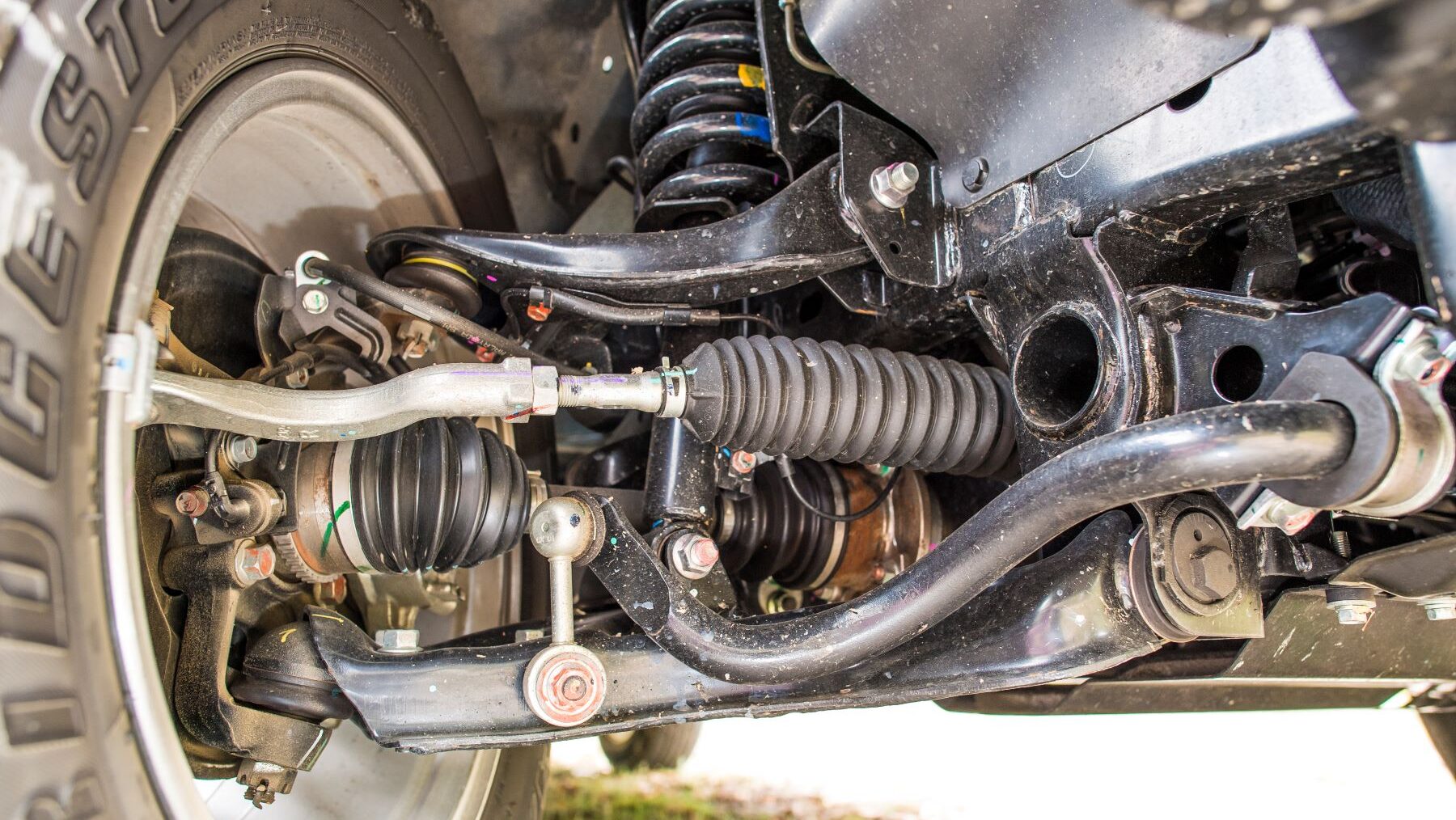
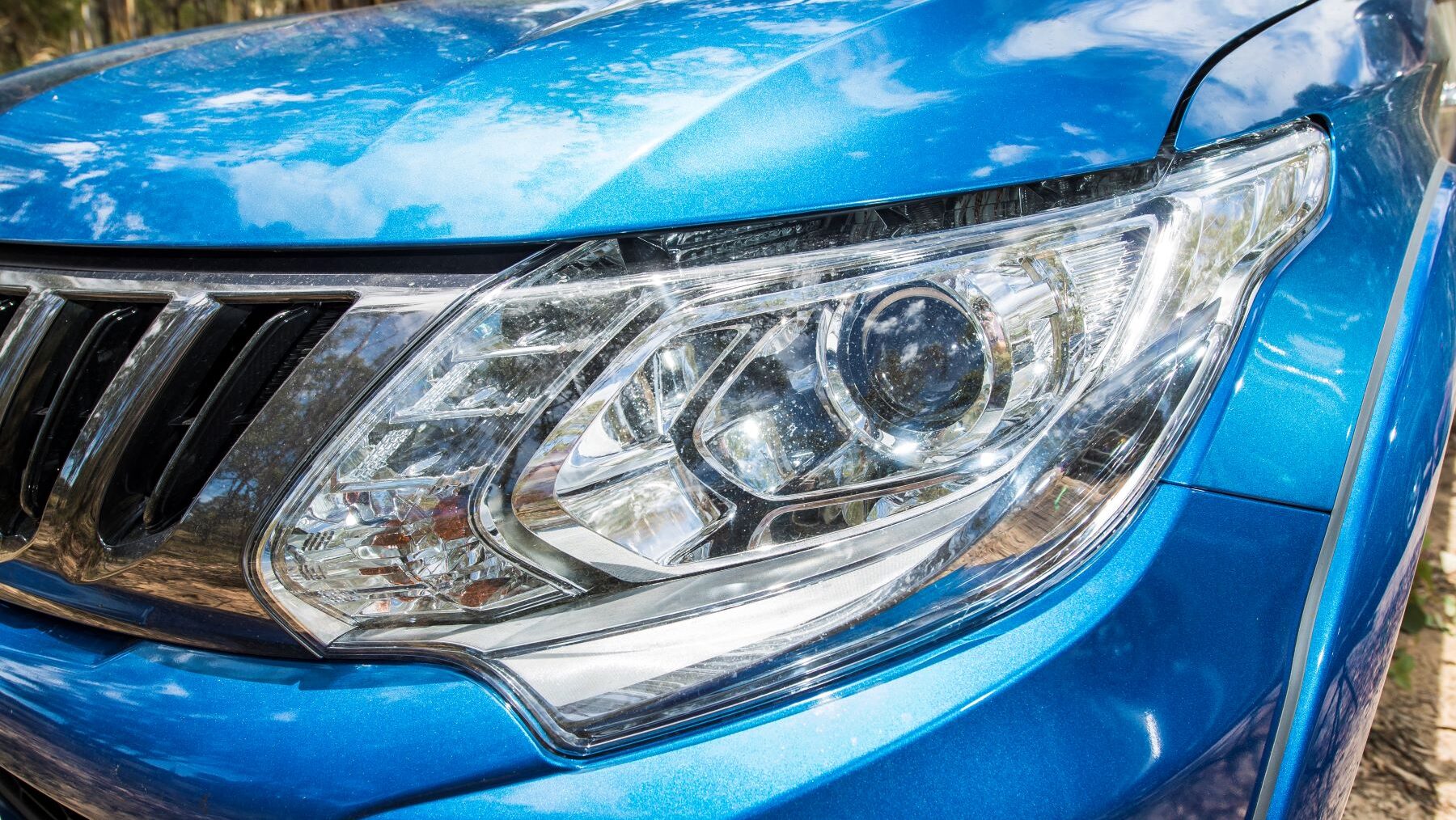
It has always amazed us that some manufacturers completely ignore lighting when they design a new vehicle. Enough people have complained about the Mitsubishi Triton’s standard headlights that this is worth a mention here as a common problem. The 2019 Triton facelift incorporated LED lights for both low and high beams, indicating that Mitsubishi has addressed this Triton problem in later models.
Unfortunately, you can’t retrofit the new facelifted lights to the original Mitsubishi Triton MQ, so you’ll need to work with what you already have to fix this problem.
Lighting upgrades aren’t uncommon in modern vehicles, and there are many ways to approach this. You can upgrade the existing headlights with more powerful globes or add auxiliary lights that operate on high beams to give you a much better view down the road.
Adding a more powerful globe is fine, as long as you don’t exceed the maximum heat the light housings and lenses (which are almost always polycarbonate now) can handle. Overdo it, and you can start melting bits and pieces, and that can lead to light failure when you need it least. If you do upgrade, it might be wise to find a kit with an upgraded wiring loom, too, so the replacement lights get enough power.
The hot-tip mod most folks with this Mitsubishi Triton problem use is to add an LED light bar, which gives the high beam a big leg up. But not all light bars are created equal, and some of the imported, cheaper ones are pretty lame. Go for a name-brand and make sure it’s wired up and earthed properly to avoid stray-current dramas that can – believe it or not – start to eat away at aluminium components like radiator cores. And even though LED lights draw less than conventional globes, the best advice is to run the light bar through a relay to avoid overheating the car’s wiring and ensure the LEDs reach their full potential.
And while LEDs are suitable, they generally spread light and don’t reach as far down the road as a good set of conventional 100-watt spotlights. You might also find that an LED light bar creates a lot of glare near reflective road signs. So make sure you can isolate the light bar via a switch (which is a legal requirement anyway). Beyond that, the biggest problem is that switching from an aftermarket high beam to a standard low beam might convince you that you’ve gone momentarily blind.
It won’t bother you when you’re dropping into Gunshot on the Old Telegraph Track, but when the modern four-wheel-drive is more than just a weekend warrior these days, the poor quality of the Mitsubishi Triton’s standard stereo system might become a problem.
Owners reckon the Triton’s stereo is one area where you can really see it was built down to a price, with scratchy reception and tinny speakers as the main complaints.
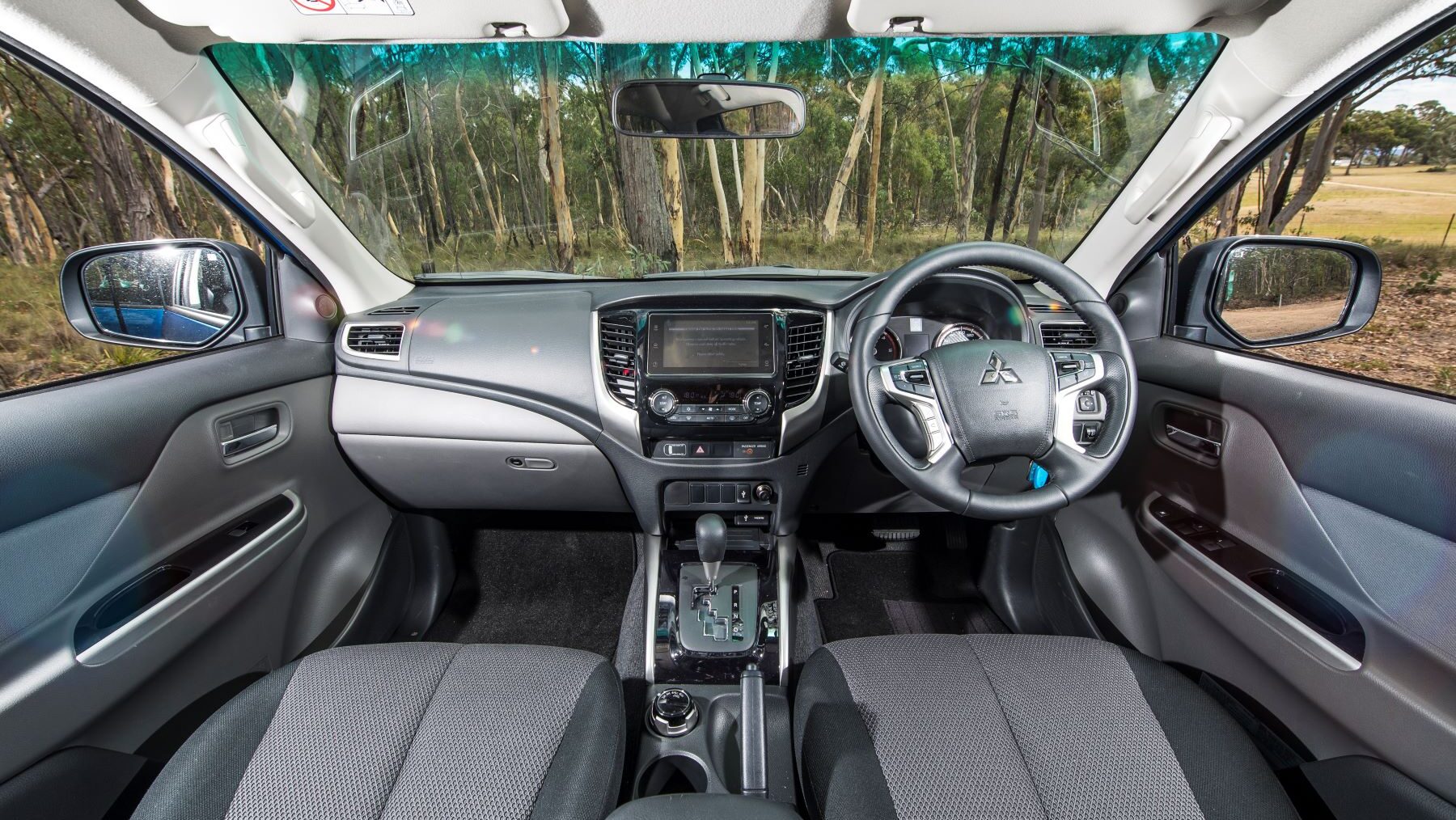
Plenty of aftermarket stereo solutions can fix this Mitsubishi Triton problem, so choosing one comes down to balancing the sound you want with the budget you have in mind. Remember, the Triton’s standard unit is a double-DIN fitment, so you need a replacement tailored to the vehicle. While you’re at it, you can also add front and rear cameras and all sorts of connectivity the standard car doesn’t have.
The trickiest bit is finding a front speaker that fits thanks to the design of the standard speakers, which incorporate the speaker unit into a plastic mounting arrangement. But our experts reckon you can use a replacement speaker with an aftermarket spacer ring, and everything goes back together just peachy.
Another minor issue is that many owners have told us one of the things that continues to annoy them about their Mitsubishi Triton is a tapping noise from the passenger’s seatbelt tapping on the B-pillar trim. Apparently, every time the Triton hits a bump, the seatbelt’s metal catch clacks against the plastic pillar trim. It sounds petty, but lesser things have driven grown men and women mad over the years.
One of those self-adhesive Velcro patches (the soft, fuzzy half) stuck to the pillar seems to do the trick for this Mitsubsishi Triton problem. It doesn’t stop the belt buckle from hitting the B-pillar, but it does muffle the racket. That’ll do.
Before buying a used MQ Triton, check whether any recalls apply to it and whether the work has been completed. Some campaigns concern genuine accessories, so the vehicle’s year alone won’t tell you whether it is affected.
Examples worth checking include:
| Recall | Recall | What was the issue? |
|---|---|---|
| Towbar wiring harness – REC-005048 | Certain 2015–2019 MQ and MR Tritons fitted with the genuine accessory harness | Incorrect installation could allow liquid into electrical circuits, creating a risk of overheating or fire. |
| Towbar mounting bolts – REC-001029 | Certain 2015–2016 MQ Tritons; the notice also covers QE Pajero Sports | Mounting bolts could loosen, potentially allowing the towbar to detach. |
| Side-step cover rivets – REC-001049 | Certain 2015–2017 Tritons | Rivets could corrode and break, allowing the side-step covers to fall off. |
| Accessory soft tonneau cover – REC-001027 | Certain MQ Triton double cabs fitted with the accessory cover | Incorrect-length rivets could allow the cover to come loose. |
These are examples, not a complete list of every vehicle. You can read the notices on the Australian Government’s Vehicle Recalls website.
Ask the seller for the VIN and enter it into Mitsubishi’s recall checker. If anything is outstanding or unclear, contact a Mitsubishi dealer to confirm the required work and completion status. Don’t rely on the seller saying, “It’s always been serviced, so that must have been done.”
A shiny canopy and a fresh set of all-terrains won’t tell you much about what’s happening underneath. Before handing over your cash, work through these checks and arrange an independent pre-purchase inspection.
Ask the workshop to include a diagnostic scan and explain any findings. A clear dashboard is useful, but it doesn’t replace a proper mechanical inspection.
We wouldn’t recommend avoiding any particular MQ Triton year. If you’re comparing a 2016 Triton with a 2017 or 2018 model, weigh documented maintenance, mechanical condition, loading history, and the quality of any modifications more heavily. A newer build date won’t make up for neglected servicing or a damaged chassis.
Be careful when researching “Mitsubishi Triton problems” more broadly, too. Advice about an older MN or a later MR may concern different engines, components or equipment. Confirm the model you’re buying before applying someone else’s repair story to it.
Our approach? Be prepared to walk away from a poorly maintained or damaged vehicle, no matter the year. A seller who refuses an independent inspection gives you another reason to keep looking.
A used MQ Triton can be a sensible buy if its condition, price and carrying capacity suit what you need. The deciding factor is the individual ute: its maintenance records, inspection results and the work it may need after purchase.
For a touring build, consider the weight of your planned passengers, canopy, camping gear, water and towball load before getting carried away with accessories. Leave room in the budget for servicing and any repairs identified during the inspection.
You don’t need to rule out every MQ because some owners have had problems. You do need to check the expensive bits before you buy. Find a sound vehicle with a documented history, confirm its recalls are sorted and get an independent inspection. That’s a better starting point than choosing on kilometres or shiny extras alone.
Words by Dave Morley & Jessica Palmer. Images by Anorld Archive.